- Enjoyable combat and immersive atmosphere.
- Fun necromancy and undead mechanics.
- Game riddled with progression-halting bugs.
- Tedious inventory management frustrates players.
- Abrupt ending; lacks satisfying closure.
- Poor optimization and rough graphics impact performance.
What players like:
Common complaints:
Gameplay feedback:
Performance notes:
Recommendations:
Other player notes:
Similar games
Blend with other games





Review evidence
Why players say this
Review evidence
Why players say this
What players like
Promising concept with potential: Many reviewers found the game's core concept and premise to be engaging and promising. They see potential for future improvements and updates to build upon this foundation. However, some reviews suggest that the game may not fully deliver on its initial promise.
Enjoyable and balanced combat: The combat system, including melee, wand attacks, and magic abilities, is generally considered enjoyable and well-balanced. Players found the fighting engaging, with some battles being intense and satisfying. Magic abilities are effective for turning the tide in battles.
Visually appealing, immersive atmosphere: The game's graphics, creature designs, and animations contribute to a visually appealing and immersive experience. The art style creates a dark and mysterious atmosphere that fits the necromancy theme. Some reviewers noted improvements to the graphics over time.
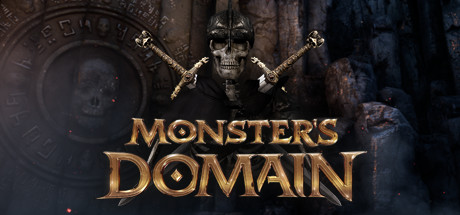
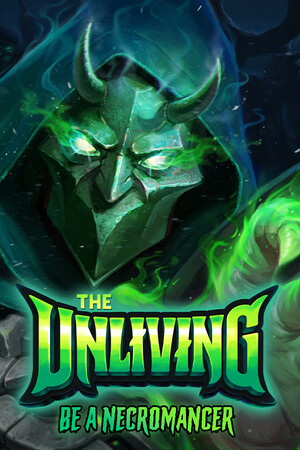
Fun necromancy and undead mechanics: The necromancy and undead-related mechanics are a highlight, offering a unique and enjoyable gameplay experience. Raising the dead and controlling undead minions adds depth and distinguishes the game from other action RPGs. The game features skeletons, undead, and necromancy.
Engaging base building elements: The game incorporates base building elements, allowing players to construct and manage their own bases. The ability to switch between first-person and God-view perspectives for town management and construction is a good combination of gameplay styles. Large-scale base battles are cool and hectic.
Common complaints
Game riddled with progression-halting bugs: The game is plagued with numerous bugs, including game-breaking ones that halt progression, prevent item usage, and cause enemies to become invulnerable. Many reviewers mention that the game feels unfinished and unpolished due to these issues, with some comparing it negatively to the demo.
Tedious, cumbersome inventory management: Inventory management is cumbersome and tedious, requiring excessive menu navigation and lacking basic features like sorting or quick equipping. Reviewers found themselves spending a significant portion of their time managing inventory instead of playing the game.
Abrupt, unsatisfying ending; lacks closure: The story mode ends abruptly and unsatisfyingly, often after defeating the final boss, leaving players without a proper conclusion, credits, or post-game content. Some reviewers experienced glitches that prevented the ending sequence from triggering, forcing them to look up the ending online.
Poor optimization; rough graphics: The game suffers from poor optimization and rough graphics, with some reviewers noting that the visuals look outdated. Even on low settings, the game can still cause high video card usage and stuttering.
Slow leveling; grindy gameplay: Leveling is slow and grindy due to damage-sponge enemies and limited enemy variety. Loot quality is inconsistent, and there is a perceived lack of weapons.
Gameplay and performance
Squad-based level progression: The core gameplay loop involves leading a small party of subordinates through levels, clearing camps, and defeating bosses. This contrasts with traditional dungeon defense or large-scale army management, focusing instead on direct action and tactical combat with a limited squad.
Base building with limitations: Base building is a key element, unlocked in the second chapter, offering a large territory for construction. However, some reviewers note a limitation in the number of available buildings, making the large space feel underutilized.
Limited active undead squad: Players recruit undead soldiers by reviving corpses, but can only bring four into battle. Excess soldiers are sent to the base to gather resources, adding a layer of resource management to the gameplay.
Action-focused combat emphasis: The game blends first-person slasher, action RPG, and strategy elements, but leans heavily into hack-and-slash combat. This makes other elements secondary to the core combat experience.
Ranged servants and skill recommendations: Reviewers suggest prioritizing ranged combat servants, finding bows effective for damage and staves for survivability due to teleportation. Specific skills like "Blood Sacrifice" and "Summon Wolves" are also recommended for healing and clearing enemies, respectively.
Inconsistent optimization and bugs: The game's optimization is inconsistent, with some players reporting smooth performance and few bugs, while others experience significant frame rate drops, lag, freezing, and game-breaking glitches. These issues appear to be widespread and affect players even on high-end systems, indicating a need for optimization improvements.
Recommendations
Buggy, unpolished, and unfinished: Many reviewers advise against purchasing the game in its current state, citing numerous bugs, an unfinished feel, and a lack of polish. Some feel it resembles a beta or early 2010s title, and that it needs significant work before being ready for release. Some reviewers are requesting refunds.
Potential with future updates: Some reviewers see potential in the game's core ideas and hope for future updates, content additions, and optimization. They believe the game has a good foundation that could be built upon with continued development and polish.
Only worth it on sale: Some reviewers suggest the game might be worth it at a lower price point or on sale, given its current state. They suggest there are better options available for the full price. One reviewer suggests a price of 30 yuan would be more appropriate.
Fails Necromancer fantasy: Reviewers express disappointment with the game's implementation of the Necromancer theme. Some feel it doesn't deliver on the expected fantasy experience, particularly regarding army management or realm defense.
Game is beyond saving: Several reviewers express extreme negativity, stating there is no hope for the game's future and anticipating the project will soon lose support. One reviewer cannot recommend the game, even if paid to do so. These points show signs of review bombing.
Other review notes
Potential unfulfilled; needs expansion: The game shows promise with its core ideas and base management, but these elements need further development to be truly satisfying. Reviewers highlight the potential without fully realized execution.
Revival costs are imbalanced: The cost of reviving different races as skeletons versus their original forms is imbalanced. The reviewer points out specific numerical values, indicating a need for re-evaluation of resource costs associated with character revival.
Request: more lawn customization: The reviewer suggests adding more customization options to the game. Specifically, they want to be able to select specific lawn types, such as only skeletons or only humans.
Story needs complete development: The reviewer emphasizes the importance of a complete and well-developed story in a game. They want a game to have background, prologue, plot development, and conclusion.
Short, casual entertainment experience: The game is described as a short, casual experience, suitable for a few evenings of entertainment. This suggests limited depth or replayability.