- Addictive, strategically deep resource management gameplay.
- Good value, similar to Stacklands, Cultist Simulator.
- Witch choice impacts run strategy.
- Late-game experience becomes repetitive and tedious.
- Poor card/item management, cluttered board.
- Late-game performance degrades significantly.
Emotions
What players like:
Common complaints:
Gameplay feedback:
Performance notes:
Recommendations:
Other player notes:
Similar games
Blend with other games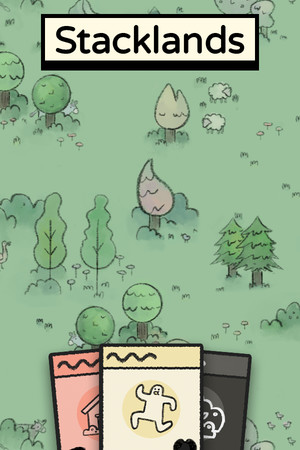




Review evidence
Why players say this
Review evidence
Why players say this
What players like
Addictive, relaxing, and strategically deep: The game is praised for its addictive and relaxing gameplay loop, cute aesthetics, and strategic depth, often drawing comparisons to Stacklands and Cultist Simulator. It's considered easy to pick up but offers enough complexity to remain engaging, with a reasonable difficulty curve and customizable settings.
Diverse characters enhance replayability: The game features multiple playable witch characters, each with unique abilities and playstyles, adding significant replayability. This character diversity encourages players to experiment with different strategies and approaches.
Customizable difficulty settings: Players can customize the game's difficulty through adjustable settings, such as day length and event frequency. This allows players to tailor the experience to their liking and prevents replays from becoming stale.
Clear UI and responsive developers: The game features a clear and intuitive user interface, making it easy for players to navigate and understand the game's mechanics. The developers are also responsive and quick to address bug reports.
Captivating and comfy soundtrack: The game's soundtrack is consistently praised for creating a comfy and captivating atmosphere, enhancing the overall gaming experience.
Common complaints
Repetitive, tedious late-game experience: Several reviewers found the game becomes repetitive and tedious, especially in the late game. This is due to a lack of engaging content, drawn-out farming sessions, and simple enemy encounters. Some also felt the game was too short and lacked replayability.
Poor card/item management, cluttered board: Many reviewers cited issues with card and item management, particularly as the game progresses. The board becomes cluttered, cards are difficult to grab and organize, and UI elements can be obstructive. This leads to frustration and slows down the gameplay.
Lacks depth, uninspired gameplay: Reviewers felt the game lacked depth in its story and gameplay. The plot is simple and unengaging, and the card variety and choices are uninspired, leading to a shallow and sometimes boring experience.
Inferior to similar games: Some reviewers compared the game unfavorably to similar titles like Stacklands and Cultist Simulator. They felt it lacked the complexity, depth, and innovation of these games.
Buggy, needs QoL improvements: The game has quite a few bugs and needs some quality of life improvements.
Gameplay and performance
Card-based resource management and automation: The core gameplay revolves around resource management, engine building, and automation using cards. Players combine cards to acquire resources, construct villages, and defend against enemies, drawing comparisons to games like Stacklands. The game uniquely blends card game mechanics with city-building and strategic resource management.
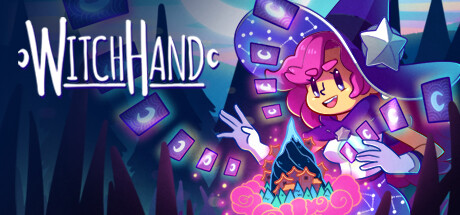
Witch choice impacts run strategy: Players select one of four witches, each offering a slightly different playstyle and abilities. While the core gameplay loop remains consistent, the choice of witch influences strategic decisions and run variations. However, some reviewers feel the differences between witches are merely gimmicks.
Balance economy and combat: The game requires players to balance economic development with combat readiness as they expand their territory. Familiars play a key role in both defending against enemies and managing resources, adding a layer of strategic depth.
Run length and difficulty options: The game offers multiple difficulty levels and runs can be completed in around 3.5-4 hours. There is some randomness to each run, adding replayability.
Villages enable passive resource generation: Villages passively generate resources and can be automated, reducing the need for constant exploration as the game progresses. This automation is a key element of the engine-building aspect.
Late-game performance degrades significantly: Multiple reviews report significant performance degradation, including lag, stuttering, and frame rate drops, especially in the late game when more cards and automation are present. Specific triggers include spawning many cards at once, moving stacks of cards, and extracting resources from nexuses at the bottom of the map. This issue appears consistently across different hardware configurations.
Minor card jittering/bumping issues: Several reviews mention minor graphical glitches, specifically jittering and bumping of cards, especially when many cards are close together or moving. While not game-breaking, these issues detract from the overall polish. One review specifically stated that there were no major bugs, only minor jittering.
Isolated freezing incidents reported: One review mentioned the game freezing, but without crashing the entire PC or generating error logs. This suggests a specific, isolated issue rather than a widespread system instability. Because this is a single mention, the importance is reduced.
Game starts locked at 60 FPS: One review mentioned that the game starts locked at 60 FPS. While not necessarily a bug, this could be a limitation for players with higher refresh rate monitors. Because this is a single mention, the importance is reduced.
Infinite healing spell bug: One review mentioned a bug involving an infinite healing spell. Because this is a single mention, the importance is reduced.
Recommendations
Good value for the money: Many reviewers find the game to be worth its price, often describing it as a good value for the hours of entertainment it provides. They recommend it to players looking for a relaxing and engaging experience, especially those who enjoy resource management or idle games. Some suggest waiting for patches if you have a lower-spec PC.
Similar to Stacklands, Cultist Simulator: A significant number of reviews compare WitchHand favorably to Stacklands and Cultist Simulator, suggesting that fans of those games will likely enjoy this one. Some reviewers even recommend it over Stacklands, while others suggest trying Stacklands first if it's cheaper. The game is recommended for those who enjoy card games with a strategic twist and managing/expanding in fantastical settings.
Gameplay not fun enough: Some reviewers find the gameplay not fun enough and recommend playing competitor games instead. They wouldn't recommend it to players who expect more from their leisure time than just fiddling things across screens.
Very positive ratings: These clusters contain very high ratings (9/10, 10/10) without providing specific reasons. This lacks constructiveness and specificity, so the importance score is reduced.
Issues with final mission/performance: Some reviewers cannot recommend the game due to specific issues encountered in the final mission or due to performance problems. These issues detract from the overall experience and prevent a positive recommendation.
Other review notes
Combat/story focus, simple theme: The game shifts focus from Stacklands, prioritizing combat and story elements, though the story is minimal and the theme is not particularly rich. This indicates a different gameplay experience compared to its predecessor, but the narrative and world-building may not be particularly strong.
Responsive, small developer: The developer is responsive and also serves as the illustrator. This suggests a small, dedicated team, potentially leading to more direct communication and a cohesive artistic vision.
Manual coin collection: Coins do not automatically go to the nexus. This implies a manual collection mechanic, which could impact the flow and pacing of the game, potentially requiring more active player involvement.
Post-game content available: Players can continue playing after completing the main game, unlocking buildings and fighting the final boss again. This extends the game's lifespan and provides additional goals for players who enjoy the core gameplay loop.
Simple, intuitive English: The game uses simple and intuitive English. This makes the game accessible to a wider audience, especially non-native English speakers, and reduces potential frustration caused by unclear instructions or dialogue.