- Extensive modding support enhances gameplay variety and longevity.
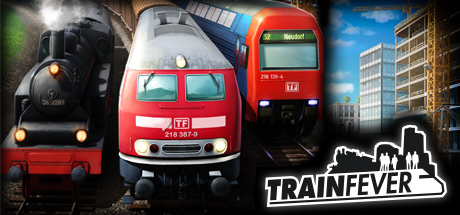
- High-quality graphics and detailed vehicle models.
- Fun and challenging gameplay with dynamic city growth.
- Sandbox and free-form gameplay with strategic management.
- Poorly designed menus and non-intuitive gameplay mechanics.
- Cumbersome track building and various bugs, performance issues.
Emotions
What players like:
Common complaints:
Gameplay feedback:
Performance notes:
Recommendations:
Other player notes:
Similar games
Blend with other games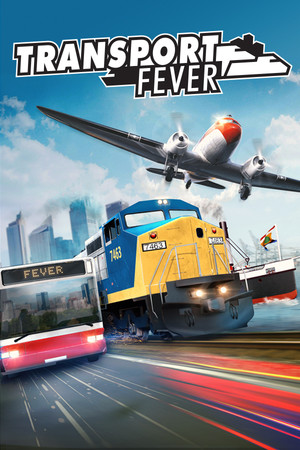




Review evidence
Why players say this
Review evidence
Why players say this
What players like
Extensive modding support: The game offers a wide range of mods that significantly enhance the gameplay experience, providing players with numerous options for customization and extended gameplay.
Variety of vehicles and models: The game features a diverse selection of train models, vehicles, and transportation modes, each with detailed designs and animations.
High-quality graphics: The game is praised for its high-quality graphics, including detailed vehicle models and pleasant visuals that enhance the overall gaming experience.
Fun and challenging gameplay: The game offers enjoyable and challenging gameplay, making it fun for players to engage with the transport simulation.
Dynamic city growth: The game features dynamic city growth and economic progression, adding depth to the gameplay as cities develop and infrastructure expands.
Common complaints
Poorly designed menus and interface: The game's interface is widely criticized for being counter-intuitive, confusing, and awkward. Players find the menus clunky and the overall UI design amateurish, which detracts from the gameplay experience.
Non-intuitive and bland gameplay: Players find the gameplay non-intuitive and bland. The learning curve and interface issues contribute to a frustrating experience, and the gameplay is described as slow and repetitive.
Cumbersome track building: Building tracks is described as tedious, frustrating, and error-prone. The system is seen as unfriendly and lacks features like an undo button or planning mode, making the process more difficult than necessary.
Limited railway features: The game lacks various railway features such as elevated, underground, and curved stations. Additionally, trains have issues with AI and cannot handle steep slopes or choose platforms intelligently.
Game feels unfinished: Many players feel that the game is incomplete and rushed. This perception is exacerbated by the developers abandoning the game to work on new projects.
Gameplay and performance
Variety of transportation modes: The game offers a wide range of transportation options including road and rail transport, with various vehicles like trains, trams, buses, and trucks. Players can transport both passengers and goods, and can build different types of transport lines to connect towns and industries.
Complex track building mechanics: The game features a detailed track building system that includes laying tracks, building tunnels and bridges, and managing signals. While the track planning tool is user-friendly, the overall track laying process can be complex and sometimes frustrating.
City building and growth: The game incorporates city-building elements with a focus on realistic transport management and city growth. Cities develop with residential, commercial, industrial, and leisure buildings, and players can observe city prosperity and development.
Transport company management: Players are tasked with building and managing transport networks, focusing on both passenger and goods transport. The game spans from 1850 to modern times, involving route planning, train management, and the creation of transport lines using various vehicles.
Historical accuracy and time progression: The game includes historically accurate vehicles and spans time periods from 1850 to the present. Time progression affects gameplay, with vehicles aging and requiring replacement over time.
Performance and optimization issues: Many players report performance issues, including poor optimization, frame rate drops, and laggy performance. These issues are particularly noticeable with large maps and during late-game scenarios.
Initial release bugs improved: The game had significant bugs and performance issues at release, but many of these have been addressed through patches and updates over time.
Memory and VRAM issues: Players experience memory usage issues, particularly with large maps and mods. High VRAM consumption is also a common complaint.
Camera and zooming lag: There are occasional lags with camera angle changes and FPS drops when zooming, which can affect gameplay.
Input and UI issues: There are reports of input lag and UI resolution issues, which affect the overall gameplay experience.
Recommendations
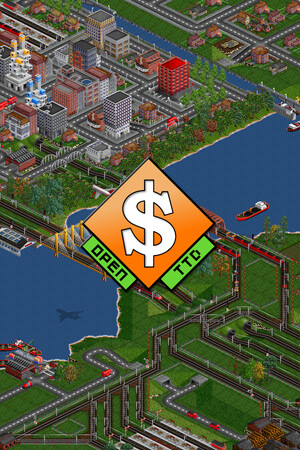
Recommended for transport simulation fans: The game is highly recommended for fans of transport simulation games, including those who enjoy titles like Transport Tycoon Deluxe, Cities in Motion, and Sim City. It is particularly appealing to those who enjoy modding and are willing to overcome a learning curve.
Consider Transport Fever instead: Many reviewers suggest considering Transport Fever or its sequel instead of this game. This recommendation is based on the improved features and overall better experience offered by Transport Fever.
Recommended for relaxing sandbox gameplay: The game is recommended for those who enjoy a relaxing, sandbox-style experience. It is also suggested for train enthusiasts and city builder fans, especially during sales.
Recommended for casual players: The game is suitable for casual players and train enthusiasts who are looking for a less intense gaming experience.
Recommended for economic strategy fans: Fans of economic strategy games and economy simulations are likely to enjoy this game due to its strategic elements.
Other review notes
Developers focused on new game: The developers have shifted their focus to a new game, Transport Fever, and are not providing further updates to this game.
Small development team: The game was created by a very small team, which might explain some of its limitations or lack of updates.