- Highly realistic tram simulation experience
- Multiplayer enhances gameplay collaboration
- Optimized performance across systems
- Unfinished Early Access state disappoints
- Overpriced for current incomplete content
- Poor developer communication frustrates players
Emotions
What players like:
Common complaints:
Gameplay feedback:
Performance notes:
Recommendations:
Other player notes:
Similar games
Blend with other games


Review evidence
Why players say this
Review evidence
Why players say this
What players like
Highly realistic tram simulation: Players praise the detailed and authentic simulation of trams, routes, and physics, which surpass other tram simulators. Features like functional buttons, realistic sounds, and well-modeled vehicles enhance immersion.
Multiplayer enhances experience: Multiplayer mode, including physical player visibility, adds enjoyment and realism. While not perfect, it is considered a valuable feature for collaborative gameplay.
Optimized performance: The 64-bit application runs smoothly on high settings, with better optimization than predecessors like OMSI 2. Players report stutter-free gameplay and decent realism even in Early Access.
Active development and updates: Frequent updates, monthly patches, and developer responsiveness to feedback are highlighted. The transition to a new engine (Bevy/Rust) promises better performance and OS support.
Expansive public transport scope: The game combines trams, buses, and future plans for trains/airplanes, offering a comprehensive public transport simulator. Players appreciate the ambitious roadmap and sector integration.
Common complaints
Unfinished Early Access Game: The game has remained in Early Access for over 8 years with minimal progress, lacking critical features, bug fixes, and updates since 2022. Players feel misled by the store description and abandoned by developers.
Overpriced for Current State: The base game and DLCs are criticized for being excessively priced (e.g., 40€–97€) given the unfinished, buggy, and minimal content. Players argue the price-performance ratio is abysmal.
Poor Developer Communication: Developers are criticized for ignoring criticism, locking forum topics, providing misleading information, and exhibiting hostile or dismissive behavior toward the community. Transparency and updates are lacking.
Outdated Graphics and Engine: Graphics are compared to 2012 standards, with poor textures, missing reflections, and an unoptimized engine. The game feels outdated even at launch, with no modern innovations.
Premature DLC Releases: DLCs are released unfinished (e.g., Munich map, bus modules) to generate revenue, often requiring additional purchases to make the game playable. Players feel exploited by this monetization strategy.
Gameplay and performance
Early Access limitations: The game is in Early Access with incomplete content, such as missing routes, trams, and a small test map. Development has been ongoing for over 5 years, with promised features like buses and airplanes still pending.
Content scarcity in base game: The base game offers minimal content, such as a single tram, a small test map, and limited routes. Most vehicles and maps require DLCs or mods, frustrating players expecting a complete experience.
Lack of tutorials and guidance: Players criticize the absence of tutorials, confusing menus, and unclear mechanics (e.g., scheduling, controls). This hinders accessibility for beginners.
Modding and Workshop support: The game heavily relies on modding via Steam Workshop for additional maps, vehicles, and content. Community-driven tools and DLCs (e.g., Munich, Düsseldorf) expand gameplay but may require separate purchases.
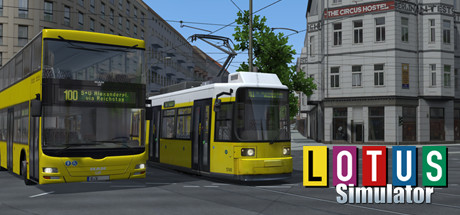
Core tram simulation gameplay: The game focuses on tram driving mechanics, including physics, schedules, and route management in Berlin. Players can experience realistic tram operations with features like IBIS and articulated bus physics.
Outdated engine and optimization: The game uses an outdated 32-bit engine with poor memory access and optimization, leading to performance drops, texture loading delays, and compatibility issues. Users report unplayable conditions on mid-to-high-end systems.
Map and asset rendering flaws: Complex maps (e.g., Berlin) and assets (3D trees, grass) cause FPS drops or crashes. Scenery tiles fail to load properly, and physics issues (e.g., trams swerving) disrupt gameplay.
Unresponsive UI and menus: Menus frequently crash or freeze, and the overall interface feels unpolished. Some users cannot even reach the main menu due to loading failures.
Hardware trade-offs required: Players must choose between visual quality and performance fluidity, even on high-end hardware. VR support is limited by performance constraints.
Linux/macOS compatibility issues: The game runs poorly on non-Windows platforms due to OpenGL dependencies and lack of optimization, despite better hardware on those systems.
Recommendations
Avoid purchasing currently: The majority of feedback strongly advises against buying the game in its current state due to poor price-performance ratio, lack of development, and incomplete features. Many suggest waiting for future updates or improvements.
Better alternatives available: Players frequently recommend alternatives like OMSI 2, TramSim, or The Bus for a more complete and polished experience, especially for bus/tram simulation fans. These are cited as better value for money.
Low price justification: The game is perceived as overpriced for its current state, with suggestions that it should cost no more than €5-£20. Many believe the price will only be justified upon full release or beta.
Niche recommendation for supporters: The game is only recommended for a small audience, such as developers, addon creators, or those eager to support the project despite its flaws. Most players are advised to wait.
Refunds and removal demands: Some players advocate for refunds or even removal of the game from the market until it is properly developed, citing dissatisfaction with pricing practices and lack of progress.
Platform notes
Steam Deck: The game suffers from high friction on Linux due to the lack of native support for critical features like the map editor and content tool. While modern tools (e.g., DXVK) can address graphics API limitations, the absence of official Linux compatibility forces users to rely on workarounds, creating a suboptimal experience. Developer communication about porting efforts is inconsistent, and level design flaws further detract from usability. The technical barriers align with the 'Tinkering Required' category, but the lack of core feature support elevates the severity.
Extra review signals
Monetization: The game's monetization strategy is widely perceived as predatory, with users highlighting several aggressive practices: (1) DLCs priced similarly to the base game for minimal content, (2) paid DLCs released for an unfinished early access game, (3) no discounts for existing players, (4) third-party DLCs sold at high prices despite being incomplete, and (5) base game lacking core content, effectively forcing DLC purchases. These issues create a strong sense of exploitation, particularly given the game's unstable and unfinished state.
Other review notes
Engine switch concerns: Players frequently mention the game's transition from Unity to Bevy (Lotus NG) and earlier shifts from OpenGL to Unity. The small development team and use of tools like Rust are also noted, raising questions about stability and long-term support.
Development priorities questioned: Criticism targets perceived misaligned development priorities, with some players accusing the project of being a 'money grab.' This reflects distrust in the team's decision-making and resource allocation.
Abandoned solo development: The game's origins as a solo project that was later abandoned are noted, contributing to skepticism about its future viability and the team's ability to deliver on promises.