- Humor enhances engaging puzzle experience
- Challenging yet fair puzzles throughout game
- Visually appealing and unique art style
- Severe game-breaking bugs persist unaddressed
- Developer neglect and poor post-release support
- Disappointing and rushed ending experience
Emotions
What players like:
Common complaints:
Gameplay feedback:
Performance notes:
Recommendations:
Other player notes:
Similar games
Blend with other games






Review evidence
Why players say this
Review evidence
Why players say this
What players like
Humor enhances puzzle experience: The game's humor is widely praised for being well-integrated with puzzles, making them more engaging and enjoyable. Players highlight slapstick, absurd, and witty humor as key strengths that elevate the gameplay.
Challenging yet fair puzzles: Puzzles are frequently described as creative, logical, and challenging without being frustrating. Players appreciate the balance between difficulty and accessibility, with many noting the puzzles' replay value.
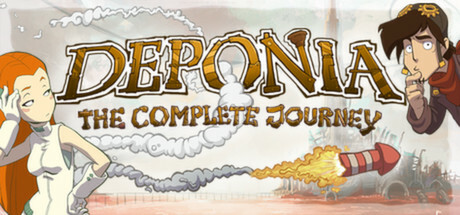
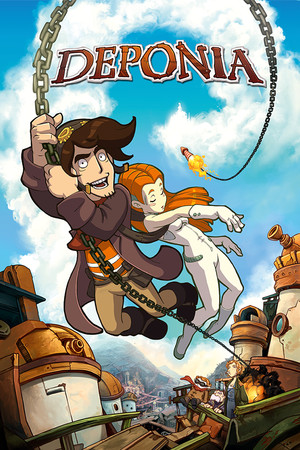
Visually appealing art style: The hand-drawn, cartoonish art style is consistently highlighted as charming, detailed, and visually cohesive. Players appreciate its nostalgic yet fresh aesthetic, which complements the game's tone.
Memorable protagonist and characters: The protagonist Rufus and side characters are praised for their uniqueness, development, and humor. Players often mention emotional attachment and how the characters' personalities enhance the story.
Strong narrative and world-building: The story is described as engaging, unpredictable, and rich in detail, with black humor and dramatic twists. Players appreciate the world's originality and the narrative's emotional depth.
Common complaints
Severe game-breaking bugs persist: Multiple clusters highlight long-standing, critical bugs (e.g., minigames, puzzles, progression blocks) that remain unfixed for years, often requiring external save files or workarounds. These issues render the game unplayable for some users.
Developer neglect and poor support: Developers are criticized for ignoring bug reports for over a decade, offering inadequate workarounds (e.g., save files), and failing to provide patches or communication. This neglect has eroded trust and playability.
Minor but persistent technical flaws: Non-critical bugs (e.g., text glitches, flickering sprites) and minor localization errors accumulate, detracting from immersion without breaking gameplay entirely.
Disappointing and rushed ending: The trilogy’s conclusion is criticized for lacking coherence, emotional payoff, or closure. Character arcs feel unearned, and the ending undermines earlier narrative efforts.
Tedious and convoluted gameplay: Gameplay is described as repetitive (e.g., backtracking, item theft) or overly drawn-out, with uneven pacing and mechanics that feel outdated or frustrating.
Gameplay and performance
Trial-and-error item combinations: Puzzles often require combining random objects with weak logical connections, leading to frustration. Players note that solutions feel arbitrary, relying on experimentation rather than deductive reasoning.
Point-and-click core with exploration focus: The game is fundamentally a point-and-click adventure, emphasizing item collection, combination, and environmental interaction. Players highlight the classic mechanics of talking to characters and exploring unique locations, though some criticize repetitive 'click-everything' gameplay.
Mini-games vary in quality: Mini-games are included but receive mixed feedback—some are skippable or optional with achievements, while others are mandatory and buggy (e.g., unplayable or game-breaking).
Trilogy structure with chapter selection: The game is part of a trilogy, with a world map allowing chapter selection. Players appreciate minimal scene recycling but criticize bugs in later installments.
Manual saving highly recommended: Frequent savegame corruption and progression bugs necessitate manual saving. Players emphasize saving often to avoid losing progress, especially before critical puzzles or chapters.
Graphical and texture glitches: Frequent reports of missing textures, flickering sprites, and character assets failing to display. These issues disrupt immersion and gameplay clarity, particularly during cutscenes.
FPS-related gameplay issues: Players experience inventory, interface, and input failures at refresh rates above 60Hz. Capping FPS to 60 resolves most issues, but this workaround isn’t universally effective (e.g., macOS).
Display and resolution problems: Issues range from micro-windows and unsupported resolutions to fullscreen bugs on Linux/Windows. Some fixes require manual adjustments (e.g., DPI settings).
Audio and input inconsistencies: Reports include disappearing sound, cursor lag, and input device conflicts (e.g., sprites not responding). Controller support is limited to community workarounds.
Minigame and puzzle malfunctions: Minigames and puzzles suffer from bugs that prevent completion or cause unintended behavior, with specific mentions of Windows 11 compatibility issues.
Recommendations
Highly recommended for genre fans: The game is strongly endorsed for fans of point-and-click adventures, classic quests, and puzzle-solving, with many reviewers calling it a must-play for the genre. It appeals to both newcomers and hardcore enthusiasts due to its storytelling and humor.
Avoid Steam version due to bugs: Multiple reviewers warn against purchasing the Steam version, citing pervasive bugs that hinder gameplay. Alternatives like the Switch or physical versions are recommended for a more stable experience.
Best value as bundle or on sale: The 'Complete Journey' collection is recommended for newcomers, while existing fans may prefer buying individual games. The game is considered a strong value, especially when discounted.
Use guides strategically: Reviewers suggest using walkthroughs or guides when stuck to maintain enjoyment, though some advise against over-reliance to preserve the puzzle-solving experience. The tutorial is also noted as critical for later gameplay.
Appeals to humor and art style fans: The game’s absurd humor, unique art style, and comedic moments are highlighted as major strengths, even for players who may not enjoy its puzzles or gameplay flaws.
Other review notes
Rich bonus content available: The collection includes developer commentaries, concept art, making-of videos, and additional extras like artbooks and drawing tutorials, enhancing the value for fans.
Complete Deponia trilogy included: The collection features the first three Deponia games (Deponia, Chaos on Deponia, Goodbye Deponia) but excludes Deponia Doomsday, which may disappoint fans expecting the full series.
Value concerns despite low price: Some players felt cheated even at a low price of $3, citing missing content (e.g., Deponia Doomsday) or other perceived shortcomings as reasons for dissatisfaction.
Repetitive or unclear achievements: Some achievements require repetitive actions (e.g., clicking an item multiple times) or are difficult to understand, which may frustrate completionists.
Mature humor targeting adults: The game's humor is designed for an older audience (25-30+), which may limit its appeal to younger players or those seeking family-friendly content.