- Stunning and unique art style captivates players
- Engaging and well-balanced puzzles enhance gameplay
- Immersive sound and music design stands out
- Puzzles overly difficult and illogical frustrate users
- Lack of guidance breaks immersion and flow
- Excessive musical puzzles frustrate players
Emotions
What players like:
Common complaints:
Gameplay feedback:
Performance notes:
Recommendations:
Other player notes:
Similar games
Blend with other games








Review evidence
Why players say this
Review evidence
Why players say this
What players like
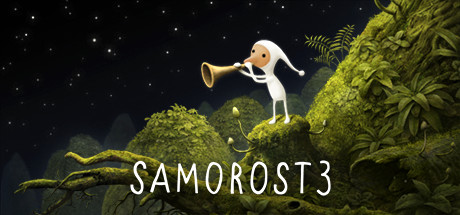
Stunning and unique art style: The game is widely praised for its breathtaking, surreal, and hand-drawn visuals, which create a whimsical and immersive universe. Players highlight the attention to detail, vibrant colors, and originality of the art direction.
Engaging and well-balanced puzzles: Puzzles are described as creative, varied, and satisfying, with a perfect balance between challenge and intuitiveness. Players appreciate the logical design, hint system, and lack of frustration or repetition.
Immersive sound and music design: The soundtrack and sound design are integral to the experience, enhancing gameplay, puzzles, and atmosphere. Players praise the dynamic, atmospheric, and emotionally resonant music, often calling it divine or next-level.
Charming wordless storytelling: The game effectively conveys its narrative through visuals, animations, and sound without dialogue, making it accessible and engaging for all ages. Players praise the subtlety and creativity of this approach.
Improved length and content: This installment is longer and more polished than its predecessors, with richer storytelling, diverse locations, and more complex gameplay. Players appreciate the expanded duration and depth compared to earlier games.
Common complaints
Puzzles overly difficult and illogical: Players frequently report puzzles as ambiguous, unsolvable without guides, or relying on weak/absent logic. Trial-and-error mechanics and lack of in-game hints exacerbate frustration, particularly in later stages.
Lack of guidance breaks immersion: Puzzles lack in-world hints, clear objectives, or intuitive design, forcing reliance on external guides. Players report confusion about narrative direction and puzzle solutions.
Excessive musical puzzles frustrate players: 30-80% of puzzles involve pitch/rhythm, alienating tone-deaf players or those unable to replicate melodies. The reliance on sound-based mechanics is criticized as exclusionary and poorly balanced.
Backtracking and repetitive mechanics: Excessive backtracking between locations and repetitive puzzle mechanics (e.g., resetting puzzles, redoing actions) are cited as tedious. Some puzzles feel mechanically similar or overly simplistic.
Narrative and art style regressions: The storyline is criticized as weak, disjointed, or unclear compared to previous installments. Some players dislike the art style, character design, or loss of low-budget charm from earlier games.
Gameplay and performance
Point-and-click adventure structure: The game employs a classic point-and-click adventure framework, combining exploration with puzzle-solving. This genre-defining mechanic is central to progression and player engagement.
Core puzzle-solving mechanics: The game revolves around diverse puzzle-solving mechanics, including logic challenges, mini-games, and environmental interactions. Players engage with visual and auditory puzzles that increase in complexity, often requiring lateral thinking or trial-and-error.
Text-free visual storytelling: The narrative is conveyed entirely through visuals, animations, and sound, with no dialogue or text. This approach enhances accessibility and encourages player interpretation.
Musical instrument integration: A magic flute or trumpet is used as a core gameplay tool for solving sound-based puzzles and interacting with the environment. This mechanic ties into the game’s emphasis on auditory challenges.
Planetary exploration focus: Players explore multiple planets, each with unique environments and ecosystems. This planetary traversal is a key aspect of the game’s exploration-driven design.
Low-end hardware compatibility: The game is praised for running well on low-end hardware, including systems that can run classic games like Doom. This indicates efficient optimization for broader accessibility.
Mixed Steam Deck performance: Players report conflicting experiences on the Steam Deck, with some finding it great and others calling it unplayable. This suggests potential optimization issues or hardware-specific bugs.
ROG Ally performance issues: Multiple reports indicate the game is unplayable on ROG Ally devices, failing to run properly even after adjusting settings. This highlights a critical hardware-specific bug.
Antivirus interference with achievements: Players note that whitelisting the game in antivirus software is required to resolve achievement-related issues, suggesting conflicts with security software.
Recommendations
Ideal for puzzle and adventure fans: The game is strongly recommended for fans of point-and-click adventures, challenging puzzles, and slow-paced exploration. It is frequently compared to classics like Machinarium and Botanicula.
Artistic and surreal appeal: The game is highly recommended for fans of artistic, surreal, and meditative experiences, with praise for its unique visuals, music, and storytelling. It is often described as a masterclass in combining art and gameplay.
Relaxing and immersive experience: The game is frequently recommended for players seeking a relaxing, immersive, and enchanting experience. It is described as perfect for winding down and enjoying a world of wonder.
Best value during discounts: While the game is highly praised, many reviewers suggest purchasing it at a discounted price (e.g., 140 rubles) rather than full price (700 rubles) for better value. Some still recommend it at full price due to its quality.
Trilogy and series recommendations: The game is often recommended as part of a trilogy, with many reviewers suggesting playing the previous games first or praising it as the best in the series. It is seen as a worthy successor to earlier titles.
Other review notes
Praised as artistic experience: Players frequently describe the game as a 'work of art' and a 'peaceful space hallucination,' highlighting its unique visual and atmospheric design. This feedback emphasizes the game's strong aesthetic and immersive qualities.
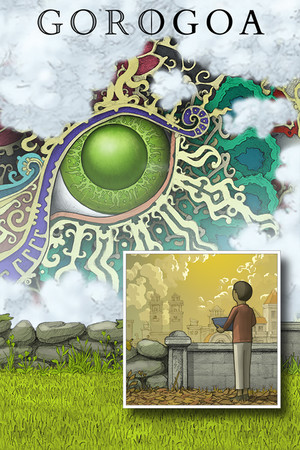
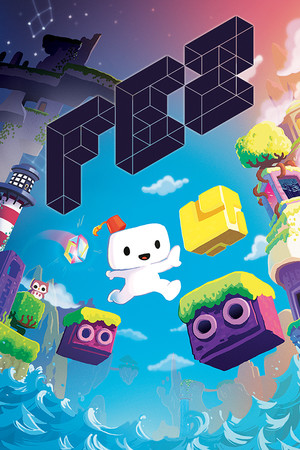
Compared to studio's other games: The game is often compared to the studio's previous titles like *Machinarium* and *Botanicula*, suggesting a recognizable style or thematic continuity. Players may expect similar gameplay mechanics or artistic direction.
Developer support for Ukraine: The developers' public and courageous support for Ukraine influenced some players' purchase decisions. This feedback reflects external factors driving engagement rather than gameplay itself.
Long completion time reported: Some players took over a year to complete the game due to intermittent play and initial frustration. This suggests potential challenges in pacing or accessibility for certain audiences.
Cross-platform save support: The game provides save file locations for Linux and Windows, indicating strong cross-platform compatibility. This is a technical feature appreciated by players using multiple operating systems.