- Engaging and intriguing story
- Outstanding horror atmosphere
- Excellent sound design
- Puzzles are obtuse and confusing
- Pixel art hampers visibility
- Story ends without conclusion
Emotions
Archetypes
What players like:
Common complaints:
Gameplay feedback:
Performance notes:
Recommendations:
Other player notes:
Similar games
Blend with other games





Review evidence
Why players say this
Review evidence
Why players say this
Steam review verdict
Engaging story and outstanding horror atmosphere with excellent sound design, though obtuse puzzles, pixel art that hampers visibility, and an unresolved ending hold it back.
What players like
Engaging and intriguing story: The story is consistently described as interesting, gripping, and captivating, keeping players engaged from start to finish. Reviewers find the narrative intriguing and well-narrated.
Lovecraftian horror story praised: Reviewers consistently highlight the game's strong Lovecraftian and Poe-inspired narrative, describing it as worthy of these classic horror authors. The story effectively captures the fear of the unknown and creates a classic horror atmosphere.
Excellent sound design: The sound design is repeatedly praised for its quality and effectiveness in building atmosphere. Reviewers note that both sound effects and music are well-crafted and contribute significantly to the game's immersive horror experience.
Outstanding horror atmosphere: The game's atmosphere is described as amazing, effective, and unsettling, with a well-achieved horror tone. Reviewers note that the atmosphere is a standout feature that makes the game memorable.
Immersive music and atmosphere: The music is praised for being immersive and contributing greatly to the game's atmosphere. Reviewers highlight the soundtrack as a key element that enhances the horror experience.
Common complaints
Puzzles are obtuse and confusing: Many reviewers found the puzzles to be nonsensical, bizarre, and overly complex, often requiring creative thinking or walkthroughs. This was a recurring theme across multiple clusters, with some puzzles leaving players stuck or doubting their logic.
Pixel art hampers visibility: The low-resolution pixel art made it difficult to distinguish objects, characters, and interactive elements, leading to frustration and missed items. This issue was frequently mentioned as a major drawback, affecting gameplay and overall enjoyment.
Story ends without conclusion: The game's story is incomplete, ending on a cliffhanger without resolving major plot points. This left many players feeling unsatisfied and unable to fully evaluate the game, as the narrative is split across multiple seasons.
Game is too short: Players consistently noted that the game is very short, often less than five hours, which they felt did not justify the price. The brevity of the experience was a common complaint, especially when combined with the incomplete story.
Excessive walking and backtracking: Players complained about too much walking back and forth, which slowed the pacing and made the game feel tedious. This was especially problematic in later episodes, where forced sequences and repetitive actions became a chore.
Gameplay and performance
Point-and-click adventure gameplay: The game is consistently described as a classic point-and-click adventure with inventory puzzles, exploration, and item combination. This genre definition is the most frequent and specific feedback.
Horror and mystery themes: The game blends horror, mystery, and psychological elements, with a focus on atmosphere and narrative. This genre mix is frequently mentioned.
Pixel art retro graphics: Players highlight the pixel art aesthetic and 8-bit style, giving the game a retro feel. This visual style is a prominent and consistent characteristic.
Puzzle-solving core mechanics: Gameplay revolves around solving puzzles through exploration, object collection, and using items in the right places. This is a central and repeated gameplay element.
Simple and accessible gameplay: The gameplay and interface are described as simple, basic, and easy to understand, making it accessible to players. This simplicity is a common observation.
Game crashes frequently: Multiple players report crashes, especially when entering new locations. This is a common issue affecting stability.
Adobe AIR dependency problematic: The game requires Adobe AIR, which is no longer distributed on Linux, making it difficult for Linux users to play. This is a significant barrier for that platform.
Runs on low-end hardware: The game runs on any hardware that conducts energy, indicating very low system requirements. This is a positive aspect for players with older machines.
Compatible with Windows 7: One player confirmed the game runs fine on Windows 7, suggesting good compatibility with older operating systems.
Recommendations
Recommended for point-and-click fans: Many reviewers recommend the game to fans of point-and-click adventures, especially those who enjoy old-school or horror-themed titles. The game is praised for its genre appeal and atmospheric storytelling.
Overall positive recommendation: A significant number of reviewers give a general positive recommendation, stating the game is good and worth playing. This reflects overall satisfaction with the game's quality.
Appeals to Lovecraftian horror fans: The game is frequently recommended to fans of Lovecraftian horror and similar authors like Poe, Bierce, and Chambers. Its dark, mystical themes resonate with this audience.
Worth buying on sale: Many reviewers suggest purchasing the game at a discount, with some specifying 50% or more off. It is considered a good value when on sale, though some say it's worth full price.
Buy both seasons bundle: Reviewers strongly advise purchasing both seasons together to experience the complete story and avoid cliffhangers. The bundle is considered highly recommended and worth the investment.
Buying context
Community fair range: $5.00 - $10.00.
Game completion: 4.0h.
Story completion: 3.5h.
Session length: 1.0h.
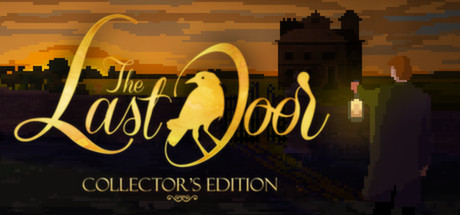
The Last Door is a point-and-click adventure that many players find tedious and slow from the start, with repetitive puzzles and hard-to-see objects, and it never becomes fun for them, despite some praising its atmosphere and story.
Friction: Objects rendered as indistinguishable blocky blobs; Repetitive trial-and-error item combination; Tedious dream sequences and cutscenes; Slow pacing and repetitive events; Obtuse and nonsensical puzzles; Letterboxing impacting navigation.
Player profiles
Point-and-Click Adventure Purist: Explores every location, examines objects, reads poetic descriptions, and solves puzzles methodically. Motivation: Love of classic point-and-click adventure storytelling and atmosphere. Stance: buy.
Horror Atmosphere Seeker: Plays with headphones, focuses on sound design, and embraces the eerie atmosphere. Motivation: Immersive horror atmosphere and audio-driven scares. Stance: buy.
Achievement Hunter: Thoroughly searches for secrets, uses guides, and replays to unlock all achievements. Motivation: Complete all achievements and find every secret. Stance: sale.
Platform notes
Steam Deck: The game is effectively broken on Linux and Steam Deck due to its reliance on Adobe Air, which is no longer supported on Linux. Users report being unable to launch the game natively and having to stream from a Windows machine as a workaround. Even positive reviews note the Linux version is not recommended until the developers migrate to a better technology.
Linux and Proton: The game is effectively broken on Linux due to its reliance on Adobe Air, which is no longer supported on the platform. Users cannot launch the game natively and are forced to stream from Windows. The Linux version is non-functional, and the community consensus strongly advises against buying it for Linux.
Extra review signals
External guides: The user feedback indicates a minor external dependency for discovering Easter eggs and understanding cultural references, but the core gameplay is self-contained. The primary complaint falls under the 'Student' tier, requiring instructional data for hidden content.
Other review notes
Short episodic structure: The game is divided into four short episodes, totaling roughly 2-6 hours of gameplay. Many reviewers note the brevity, with some feeling it is appropriately paced while others find it too short.
Limited language support: The game lacks official localization for several languages, including Russian, Chinese, and German. Reviewers note that English proficiency is required to fully enjoy the story, though some unofficial patches exist.
Lovecraft and Poe influences: The game heavily references and is inspired by classic horror authors such as H.P. Lovecraft, Edgar Allan Poe, Arthur Machen, and Algernon Blackwood. Reviewers frequently compare the story and horror themes to these literary works.
Story continues in Season 2: The game is the first season and ends on a cliffhanger, requiring the purchase of a second season to complete the story. Many reviewers express frustration that the narrative is not fully concluded within this installment.
From Blasphemous creators: The game is developed by The Game Kitchen, the studio known for the Blasphemous series. This association is frequently mentioned by reviewers, often as a point of interest or expectation.