- Stunning Visuals and Art Style
- Engaging and Fun Combat
- Amazing Soundtrack and Music
- Predictable and boring story
- Boring and repetitive gameplay
- Frequent bugs and glitches
Emotions
Archetypes
What players like:
Common complaints:
Gameplay feedback:
Performance notes:
Recommendations:
Other player notes:
- -
No data available
Similar games
Blend with other games




Review evidence
Why players say this
Review evidence
Why players say this
Steam review verdict
This dazzling visual and auditory treat with fluid combat shines bright, but its predictable story, repetitive gameplay, and persistent bugs drag down the experience.
What players like
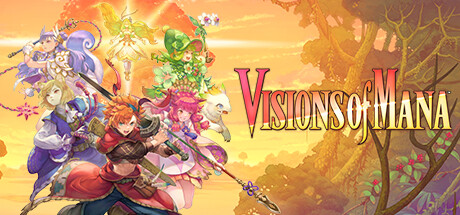
Stunning Visuals and Art Style: The game features beautiful and varied graphics, with vibrant colors and enchanting levels. The art style is visually appealing and captures a fairy tale atmosphere.
Engaging and Fun Combat: The combat system is dynamic, smooth, and enjoyable. It offers a fun and engaging experience with a good combat feel and class customization.
Amazing Soundtrack and Music: The game features an incredible soundtrack with captivating and wonderful music. The soundtrack is top-notch and adds to the overall experience.
Enjoyable Gameplay Experience: The gameplay is fun and engaging, encouraging exploration and skill mixing. It keeps players active and entertained throughout the game.
Beautiful and Explorable World: The game world is large, beautiful, and diverse, with richly decorated landscapes and many paths to explore. It is visually stunning and pleasant to navigate.
Common complaints
Predictable and boring story: The story is widely criticized for being predictable, cliché, and boring. Many players find it lacking originality and emotional depth, with unsatisfying developments and unresolved mysteries.
Boring and repetitive gameplay: The gameplay is often described as boring and repetitive, with monotonous combat and repetitive side quests. The game's slow pace and lack of depth in gameplay mechanics contribute to this issue.
Poor character design and development: Characters are often described as unlikable, generic, and lacking depth. Character design is criticized for being subpar and inconsistent, with shallow development and lack of emotional engagement.
Outdated and clunky combat mechanics: The combat system is often described as clunky, outdated, and unsatisfying. Players report issues with combat mechanics, including poor camera control and shallow combat feel.
Unremarkable music and voice acting: The music is generally forgettable and does not stand out. Voice acting is criticized for being poor, dry, and sometimes unbearable, detracting from the overall experience.
Gameplay and performance
Class system with deep customization: The game includes a flexible class system with a variety of character classes and elemental advantages. Players can customize their characters' abilities and skills, allowing for diverse and optimal combat strategies.
Real-time combat with party roles: The game features a dynamic and engaging real-time combat system that emphasizes party-based roles and strategic action elements. Players enjoy the hack and slash mechanics combined with a job system that allows for varied combat styles.
Character progression and development: The game focuses on character growth and progression, allowing players to develop their characters through various builds and achievements. This adds depth to the gameplay and keeps players engaged.
Repetitive and boring side quests: The game features numerous side quests that are often repetitive and involve collecting materials. Many players find these quests uninteresting and poorly designed, detracting from the overall experience.
Fast travel system needs improvement: The game's fast travel system is considered outdated and cumbersome by some players. While it is convenient, there are usability issues that make navigation less enjoyable.
Frequent bugs and glitches: Players report various bugs including object collision issues, character control problems, and visual glitches. These bugs significantly impact the gameplay experience.
Performance varies by hardware: The game's performance varies significantly depending on the hardware. Some players report smooth performance on high-end PCs, while others experience issues on different configurations.
FPS instability and drops: The game experiences FPS instability, with occasional frame drops and performance issues. This affects the smoothness of gameplay, especially during combat and in cities.
Optimization issues and stutters: The game has optimization issues leading to occasional stutters and performance problems. This affects the overall smoothness and enjoyment of the game.
Frequent game crashes: Players encounter frequent game crashes, which disrupt the gaming experience. Some users report multiple crashes, while others experience fewer or no crashes.
Recommendations
Wait for Sale: Many reviewers suggest waiting for a sale before purchasing the game, indicating that it may not be worth the full price. Discounts are recommended for better value.
JRPG Fans Recommended: This game is highly recommended for fans of JRPGs, particularly those who enjoy action-oriented gameplay and visually appealing experiences. It is praised for its modern take on classic JRPG elements.
Colorful and Comforting Adventure: The game is recommended for players seeking a colorful and comforting adventure with satisfying action and a world worth exploring. It offers a lighthearted and visually appealing experience.
Mana Series Fans: Fans of the Mana series, especially those who enjoyed previous titles like Secret of Mana and Trials of Mana, will find this game appealing. It is seen as a solid entry for series enthusiasts.
Weak Story Criticism: The game is not recommended for those seeking a strong story, as it has been criticized for its weak narrative and excessive cutscenes. This aspect may detract from the overall experience.
Buying context
Community fair range: $20.00 - $30.00.
Game completion: 35.0h.
Endgame: 8.0h.
The game starts slow and repetitive but becomes more enjoyable as players unlock new classes and progress further into the story. Initial friction includes grindy combat and repetitive tasks.
Reported time to anchor: 5h.
Friction: repetitive combat; grindy tasks; slow pacing.
Unlock drivers: unlocking new classes; progressing through the mid-game.
Player profiles
Nostalgic Mana Enthusiast: Explorative and appreciative of series-specific elements. Motivation: Nostalgia and familiarity with the Mana series. Stance: buy.
Casual Gamer: Casual and intermittent play sessions. Motivation: Relaxation and casual gameplay. Stance: sale.
Critical Connoisseur: Analytical and comparative playstyle. Motivation: High-quality gaming experiences and critical analysis. Stance: deep sale.
Platform notes
Steam Deck: The analysis of user feedback reveals significant performance issues and graphical settings problems when playing on the Steam Deck. While some users had a positive experience, many encountered unstable FPS, non-functional HDR, and resolution selector issues, indicating that the game requires additional tweaking or tools to run smoothly on the Steam Deck.
Linux and Proton: The game shows some level of compatibility with Steam Deck and, by extension, Linux/Proton. However, there are notable performance issues such as unstable FPS and frequent non-fatal bugs, particularly during intense gameplay moments. These issues suggest that while the game can run on Linux/Proton, it may require some tweaking and does not provide a seamless experience.