- Compelling and well-written story
- Outstanding atmosphere and sound design
- Unique and impressive art style
- Game is too short
- High price for content
- Disappointing ending
Emotions
Archetypes
What players like:
Common complaints:
Gameplay feedback:
Performance notes:
Recommendations:
Other player notes:
Similar games
Blend with other games





Review evidence
Why players say this
Review evidence
Why players say this
What players like
Compelling and well-written story: The game features a compelling and well-written story that captivates players with its deep and engaging narrative. The storytelling is praised for being excellent, intriguing, and emotionally impactful.
Engaging and impactful experience: Players describe the game as an unforgettable and impactful experience that is both thought-provoking and emotionally resonant. The game's narrative and themes leave a lasting impression.
Outstanding atmosphere and sound design: The game's eerie atmosphere and immersive sound design contribute significantly to its horror elements. The unsettling soundscapes and distinctive atmosphere enhance the overall experience.
Effective psychological horror: The game is noted for its effective use of psychological horror elements, creating an immersive and terrifying experience. Players appreciate the unique and unsettling atmosphere.
Well-developed characters: The game features well-developed and memorable characters that add depth to the story. Players appreciate the character development and the flaws that make them relatable.
Common complaints
High price for content: The game is seen as overvalued and too expensive for the amount of content it offers. Players feel that the price does not reflect the gameplay value provided.
Game is too short: Many players feel that the game is extremely short, with some completing it in around 2 hours. The gameplay is perceived as limited and lacking depth, with a significant portion of the time spent walking.
Confusing storyline: The game's storyline is often described as confusing and hard to follow. Players struggle to understand the plot and the transitions between chapters, which can feel abrupt and unclear.
Disappointing ending: The ending of the game is criticized for being disappointing, ridiculous, and boring. Players feel that the ending does not provide a satisfying conclusion to the story.
Gameplay mostly walking: The gameplay is heavily criticized for being mostly walking and talking to people, with little substance or engaging activities. This has led to the game being labeled as a walking simulator.
Gameplay and performance
Nonlinear and immersive storytelling: The game features a complex narrative structure with nonlinear and fragmented storytelling. It includes surreal elements, different temporalities, and hallucinations, creating a deep and immersive story-driven experience.
Psychological horror elements: The game incorporates various psychological horror elements, including twists, turns, and a focus on psychological discomfort. It blends surrealist and sci-fi horror to create a tense atmosphere.
Walking simulator gameplay: Gameplay primarily involves exploration and interaction with objects in a closed world. It is a first-person exploration game with mechanics typical of walking simulators.
Simple and minimal gameplay: The gameplay is described as simple and average, with minimal mechanics. It focuses more on narrative and exploration rather than complex gameplay elements.
Light puzzle-solving elements: The game includes light puzzle-solving and problem-solving elements. These puzzles are integrated into the gameplay to provide some challenge without being overly complex.
Runs on low-end hardware: The game can run on lower-end hardware such as the i3 1115g4, making it accessible to a wider range of players.
Visibility issues in dark levels: Certain levels in the game are too dark, making it difficult for players to navigate and enjoy the game.
Frequent crashing issues: Some players are experiencing frequent crashes on PC, which is affecting the overall gameplay experience.
Optimized for Steam Deck: The game runs well on the Steam Deck, making it a great choice for handheld gaming.
Recommendations
Recommended for horror fans: The game is highly recommended for fans of psychological horror, creepy vibes, and deep themes. It is praised for its atmospheric tension and unsettling experiences.
Praised for deep themes and atmosphere: The game is recommended for its deep themes, unique aesthetic, and thought-provoking experiences. It is highly regarded for its storytelling and atmospheric tension.
Highly recommended overall: Many reviewers strongly recommend the game for its overall experience and realism. It is frequently described as a must-play.
Recommended for narrative fans: The game is recommended for those who enjoy narrative-driven games and unique narrative structures. It is praised for its dialogue and deep narrative experiences.
Worth the price: The game is considered worth the price for its unique experience, especially when purchased on sale.
Buying context
Community fair range: $5.00 - $10.00.
Game completion: 3.0h.
Story completion: 2.0h.
The game starts fun and engaging but becomes tedious and boring towards the end, leading to a drop in enjoyment.
Friction: Repetitive objectives; Bland task loops; Tedious mazes; Unexplained tasks and puzzles; Lack of direction; Repetitive chase sequences.
Unlock drivers: Strong visual style; Engaging narrative; Atmospheric storytelling; Immersive sound design.
Player profiles
Story-Driven Horror Enthusiast: Immersive, story-focused gameplay. Motivation: Engaging story and psychological horror elements. Stance: sale.
Open-Minded Explorer: Exploratory, open-minded gameplay. Motivation: Unique and exploratory gameplay experiences. Stance: buy.
Value-Conscious Cinematic Fan: Narrative-driven, value-conscious gameplay. Motivation: Cinematic experiences with good value for money. Stance: sale.
Platform notes
Steam Deck: The analysis of user feedback for the Steam Deck experience reveals several key issues. The most notable problem is the lack of cloud saves, which prevents users from seamlessly switching between devices. Additionally, there are reports of input issues, particularly with keys sticking, which may be related to Linux setups. Another issue mentioned is the lack of support for ultrawide resolution, which could impact the visual experience for some users. Despite these issues, many users have praised the game's unique visual style and engaging storyline.
Linux and Proton: The game generally runs well on Linux and Steam Deck, but there are some input issues reported by a Linux user. These issues are likely due to the Linux setup rather than the game itself. Additionally, there are some minor inconveniences such as the need for launch options to bypass the menu and language settings, and save transfer issues between Steam Deck and PC.
Extra review signals
Monetization: The game receives mixed feedback regarding its pricing and monetization strategies. While some users find the base price to be high for the content offered, others are concerned about the additional real-money purchases required to maximize the gaming experience. There is also criticism about the overpriced merchandise, which contrasts with the game's anti-capitalist themes.
Other review notes
Accessibility issues: Some players have encountered accessibility problems. These issues need to be addressed to ensure the game is playable for everyone.
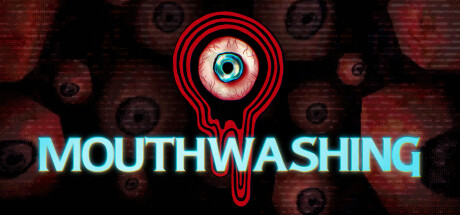
Mouthwashing monitor screen: Players reported an unusual action of mouthwashing the monitor screen. This could indicate a bug or an unexpected behavior in the game.