- Exceptional replayability with deep mechanics
- Immersive cyberpunk atmosphere and tension
- Engaging agent variety and customization
- High difficulty frustrates some players
- Unfair RNG and procedural generation issues
- Poor accessibility for newcomers
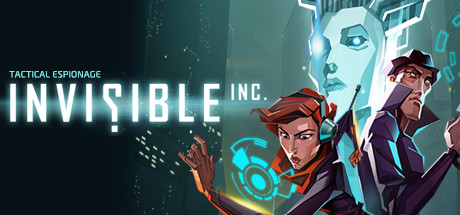
Emotions
What players like:
Common complaints:
Gameplay feedback:
Performance notes:
Recommendations:
Other player notes:
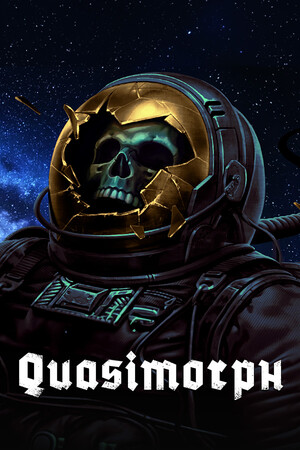
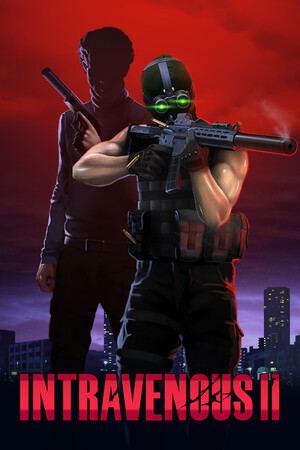
Similar games
Blend with other games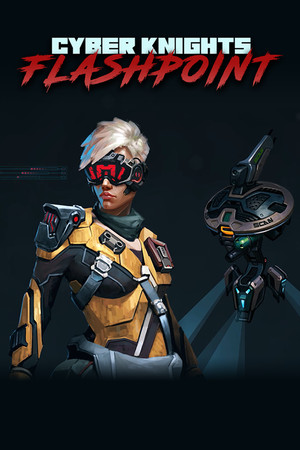




Review evidence
Why players say this
Review evidence
Why players say this
What players like
Exceptional replayability and depth: The game offers high replayability due to procedural generation, diverse agents, and dynamic campaigns. Players praise its variety of characters, playstyles, and randomly generated levels, ensuring no two playthroughs are alike.
Immersive cyberpunk atmosphere: The game’s cyberpunk setting, art style, and soundtrack are widely praised for their cohesion and immersion. The dystopian world, slick visuals, and moody music enhance the overall experience.
High tension and strategic satisfaction: The game excels at creating nail-biting moments through its alarm system, permadeath-like consequences, and high-stakes decision-making. Players feel immense relief and accomplishment when overcoming challenges.
Engaging agent variety and customization: Agents have unique abilities, loadouts, and upgrade paths, encouraging diverse strategies and team compositions. Players appreciate the depth and replayability this brings to the game.
Polished and fair mechanics: The game’s mechanics are well-balanced, with predictable guard behavior and no reliance on luck. Players praise its fairness, clarity, and the satisfaction derived from mastering its systems.
Common complaints
High difficulty frustrates players: The game is described as exceptionally difficult, even on lower settings, with steep learning curves and punishing mechanics. This alienates casual players and may lead to frustration rather than engagement.
Unfair RNG and procedural generation: Randomly generated levels and enemy behavior create inconsistent difficulty spikes, often feeling unfair or impossible. Players criticize the lack of strategic depth due to reliance on RNG.
Poor accessibility for newcomers: The game lacks tutorials, clear explanations for mechanics, and forgiving systems, making it difficult for new players to learn. Mistakes are harshly punished, and key information is often missing.
Mismatched roguelike mechanics: The roguelike design (permadeath, procedural generation) feels misapplied, clashing with the game’s turn-based stealth focus. Players criticize the lack of traditional saves and time pressure mechanics.
Technical and UI issues: Players encounter bugs like unresponsive controls, corrupted UI elements, and resolution/text scaling problems. Minor but persistent issues, such as unregistered clicks, add to frustration.
Gameplay and performance
Procedural generation for replayability: Levels, missions, and objectives are procedurally generated, ensuring varied layouts, guard placements, and challenges. This enhances replayability and reduces predictability in each playthrough.
Escalating alarm and difficulty system: An alarm system dynamically increases difficulty over time, forcing players to adapt strategies. Security levels escalate, introducing reinforcements and heightened guard aggression.
Turn-based stealth core gameplay: The game revolves around turn-based stealth mechanics with tactical espionage, grid-based movement, and guard visibility systems. Players must strategically plan moves using limited action points, emphasizing stealth over combat.
Hacking mechanics with resource management: Hacking is a core subsystem requiring power (PWR) management to disable cameras, unlock safes, or deploy daemons. AI-controlled programs (e.g., Incognita) add tactical depth to infiltration.
Non-lethal and lethal playstyles: Players choose between non-lethal takedowns (e.g., stunning guards) or lethal combat, with limited ammunition and resource constraints. Stealth is often prioritized over direct confrontation.
Strong performance on low-end hardware: The game is praised for running smoothly on older PCs, integrated graphics, and mid-range hardware, making it accessible to a wide range of players. Specific examples include systems with GeForce 840m GPUs and 8GB RAM.
Technical bugs causing instability: Players report screen blinking, control freezing, and interface corruption, which disrupt gameplay and immersion. These issues suggest underlying technical flaws that need addressing.
UI scaling and resolution problems: The game struggles with non-scalable UI elements, particularly on Steam Deck and 1440p monitors, leading to readability issues. This affects usability across different devices.
Progress loss on reloads: Players experience lost progress when reloading the game, which is a critical issue for save system reliability. This undermines player trust and long-term engagement.
Predictable but fair mechanics: The game’s mechanics are described as predictable and lacking exploits, which some players appreciate for a balanced experience. However, this may also limit depth for others.
Recommendations
Ideal for tactical stealth fans: The game is highly recommended for players who enjoy tactical planning, stealth mechanics, and turn-based strategy, particularly fans of series like XCOM. Its cyberpunk setting and challenging gameplay cater to niche but dedicated audiences.
Challenging but rewarding: The game is designed for players who enjoy strategic depth and high difficulty, with a steep learning curve. Enjoyment depends on tolerance for failure and randomness, common in roguelike mechanics.
Not for action-oriented players: The game is explicitly not recommended for players who prefer fast-paced, action-heavy, or 'baller-friendly' gameplay, as it focuses on slow-paced tactical strategy.
Best purchased on sale: While the game is praised for its value, many reviewers suggest waiting for a discount or purchasing during a sale to maximize affordability. Some still consider it worth the full price for its content.
Modding enhances experience: Mods, particularly the 'mods for new players' workshop collection, are recommended to extend replayability and ease the learning curve for newcomers.
Platform notes
Steam Deck: The game presents significant technical barriers on the Steam Deck, primarily due to unreadable UI text caused by poor scaling, lack of native controller support, and suboptimal power management. While workarounds exist (e.g., adjusting resolution), these issues require manual intervention, detracting from the seamless experience expected on the platform. The absence of controller support is particularly egregious, as it directly conflicts with the Steam Deck's primary input method.
Extra review signals
Monetization: The monetization model for *Invisible, Inc.* is primarily based on a one-time purchase for the base game and its DLC, with no evidence of microtransactions or real-money gacha mechanics. The most critical issue is the 'Day-1 DLC' pattern, where the base game's campaign is artificially shortened (3 days) to incentivize DLC purchases for the full experience (5-7 days). While some users defend the DLC's value, others question its pricing relative to the content provided. The game avoids predatory monetization but leans on aggressive expansion sales.
Other review notes
Abandoned Early Access Game: Players express frustration that the game, released in Early Access in 2015, has not received updates or support since, despite other Klei titles being actively maintained. Localization issues and lack of Steam Workshop integration are also noted as unresolved problems.
Comparisons to Similar Games: Players frequently compare the game to titles like *Crypt of the Necrodancer*, *Shadowrun Returns*, and *XCOM* to clarify its unique mechanics or shortcomings, indicating a need for clearer differentiation in marketing or design.
Long-Term Engagement Despite Issues: Some players report enjoying the game for nearly a decade, suggesting strong core gameplay mechanics that retain interest despite the lack of updates or modern features.
Cross-Platform Play Availability: The game supports cross-platform play between mobile and Steam, which is highlighted as a positive feature that enhances accessibility and player base connectivity.