- Engaging stealth and tactical infiltration gameplay
- High replayability offers significant value
- Immersive story with deep narrative
- Rewarding progression system keeps players engaged
- Lack of polish and tedious gameplay
- Repetitive missions and ending issues
Emotions
What players like:
Common complaints:
Gameplay feedback:
Performance notes:
Recommendations:
Other player notes:
Similar games
Blend with other games




Review evidence
Why players say this
Review evidence
Why players say this
What players like
Engaging Stealth & Tactical Gameplay: Players highly praise the core gameplay, highlighting its engaging stealth mechanics, tactical depth, and non-linear problem-solving. The game offers diverse approaches to missions, allowing for both quiet and bold thievery, supported by intuitive controls and well-designed levels. The unique art style, immersive sound, and clever AI contribute to a captivating experience.
High Replayability & Value: The game offers significant replayability through varying difficulties, different playstyles, and hidden content. Players found the game's duration just right and enjoyed replaying missions, indicating strong long-term engagement and value for money.
Immersive & Deep Story: The game features an immersive, unique, and well-written story with a compelling dystopian setting. Optional side quests further enhance the narrative and add depth to the game world, providing strong motivation for players.
Rewarding Progression System: The progression system, including skill trees, perks, crafting, and item management, is well-received. It allows for deep character customization and enriches gameplay, making each step of progression feel rewarding without being overly slow.
Balanced & Fair Difficulty: The game strikes a good balance with its difficulty, offering a decent challenge without being frustrating. Players appreciate the fair difficulty curve, especially on harder modes, which encourages strategic thinking.
Common complaints
Lack of Polish and Tedious Gameplay: Players frequently report issues with the game's overall polish, including clunky controls, unresponsive character movement, and an uncomfortable camera. This contributes to a tedious and frustrating gameplay experience, further exacerbated by poor optimization and a general lack of visual and audio refinement.
Repetitive Missions and Ending Issues: The game suffers from repetitive mission design, particularly in later stages, and a rushed, underwhelming ending. Issues with mission progression, including bugs that corrupt saves and prevent replaying levels, further detract from the overall experience.
Restrictive Inventory and Tools: The restrictive inventory system and limited tool durability force players to frequently return to base or restart missions. This design choice is seen as frustrating and disruptive, hindering exploration and requiring players to guess which tools will be needed.
Unbalanced Skill System: The skill tree design is criticized for forcing players to unlock irrelevant skills and for having an unbalanced cost-benefit ratio. This, combined with limitations on equipable skills and items, makes character progression feel unrewarding and restrictive.
Restrictive Stealth Mechanics: The game's stealth mechanics are perceived as overly restrictive compared to similar titles, lacking options for incapacitating guards or interacting with the environment. This limits player agency and forces a more linear, 'wait-and-see' approach.
Gameplay and performance
Pure Stealth Infiltration Gameplay: The game is primarily a pure stealth, top-down infiltration game focused on thievery rather than combat. It emphasizes avoiding detection, studying security systems, and utilizing stealth tools, drawing comparisons to games like Shadow Tactics and Thief.
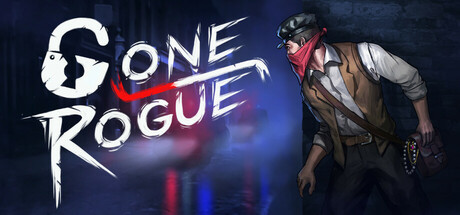
Thief Role & Tool Usage: Players embody an inexperienced thief named Jack, whose primary objective is to steal items for survival. The gameplay heavily involves using a variety of tools such as lockpicks, crowbars, and hacking devices to break into locations and acquire valuables.
Structured Missions & Difficulty: The game is structured into chapters with multiple levels, offering a linear stealth adventure. It includes challenge missions and multiple difficulty settings, though the impact of difficulty changes may not be immediately apparent.
Skill & Leveling System: The game features a robust skill and leveling system where players earn experience and skill points by performing actions like lockpicking, hacking, and burglary. These points can be used to unlock passive skills and perks across various categories.
Dystopian Survival Narrative: The game's narrative centers on Jack, a former worker forced into thievery to survive in a dystopian, totalitarian state ravaged by war. This setting provides a grim backdrop for the stealth-based gameplay.
Average graphics, limited options: Players found the graphics to be average, noting the game's Unity engine and limited graphical settings. This suggests a desire for more visual customization or higher fidelity.
No significant bugs reported: A positive point highlighted by players is the apparent lack of bugs, indicating a stable and polished technical experience. This contributes positively to player satisfaction.
Recommendations
Strongly recommended for stealth fans: The game is highly recommended for fans of stealth games, particularly those with RPG elements or real-time tactics similar to 'Commandos', 'Thief', 'Metal Gear Solid', 'Hitman', 'Shadow Tactics', 'Desperados', 'Partisans', 'The Sting!', and 'Va-Bank!'. It also appeals to players who enjoy inventory management and character growth, or even 'Fallout 4' style junk collecting.
Not for impatient players: The game is not recommended for impatient players or those who prefer fast-paced action. New players are advised to watch gameplay videos or try the game for less than two hours to determine if it suits their preferences.
Appeals to challenge seekers: The game appeals to players who enjoy challenging themselves and using their strategic thinking. For achievement hunters, it's suggested to complete normal difficulty first before attempting survival mode to maximize rewards.
Alternative game suggestion: One reviewer suggested 'Sumerian Six' as a superior isometric stealth game, indicating a potential alternative for players seeking a different experience in the genre.
Price sensitivity noted: One reviewer suggested purchasing the game only if the price is 300 or less, indicating a price sensitivity for some players.
Other review notes
Small indie developer recognized: Players acknowledge the game was developed by a small, indie team, which leads them to be more forgiving of minor flaws. There's also a desire for a sequel with a larger budget, suggesting potential for growth.
Community content creation: Several reviewers created external content, such as videos and detailed guides, to help others understand the game. This indicates a dedicated player base willing to promote and explain the game.
Stealth tactics gameplay comparisons: The game's core mechanics are frequently compared to 'Thief' and 'Desperados', indicating a stealth-focused real-time tactics experience. Some also note similarities to older titles like 'The Sting!' and 'Va-bank'.
Niche appeal, low marketing: The game is noted for not being heavily advertised and is distinct from well-known titles like Commandos, despite appealing to real-time tactics enthusiasts. There's also a mention of limited Japanese reviews.
Translation improvements planned: There's an awareness of ongoing efforts to improve the game's English translation, with developers reportedly planning fixes in future updates. This suggests active post-launch support.