- Enjoyable experience with interesting characters and agents
- Engaging plot within an appealing cyberpunk setting
- Tactical combat, base management, and exploration elements
- Great for Darkest Dungeon and genre fans
- Punishing difficulty and frustrating combat
- Poor skill balance and limited upgrades
What players like:
Common complaints:
Gameplay feedback:
Performance notes:
Recommendations:
Other player notes:
Similar games
Blend with other games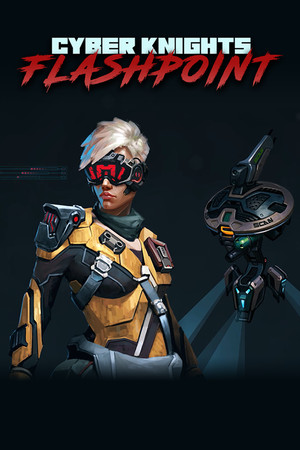




Review evidence
Why players say this
Review evidence
Why players say this
What players like
High-quality, enjoyable experience: The game excels in multiple areas, including its art style, music, story, and engaging gameplay mechanics. Reviewers appreciate the well-designed world, UI, and the depth of content that encourages multiple playthroughs. The game offers a satisfying and enjoyable experience overall.
Interesting, unique characters/agents: The game features unique and well-developed agents/characters with distinct backstories, personalities, and interactions. Players enjoy managing these characters, observing their relationships, and making moral choices that affect the plot. The characters enhance the overall experience and add to the game's charm.
Engaging plot, immersive world: The game features an engaging plot with interesting dialogues, jokes, and references, creating an immersive experience. The story is well-developed, and the game world is richly detailed, drawing players into the narrative. Multiple endings and well-designed tasks add to the game's depth and replayability.
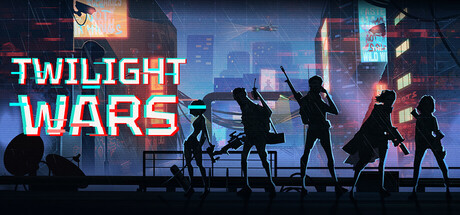
Appealing cyberpunk setting/atmosphere: The game's cyberpunk setting and atmosphere are well-received, creating a cool and immersive experience. The combination of cyberpunk themes with humor and engaging plot elements allows the game to stand out in its genre. Some reviewers draw comparisons to other titles like Darkest Dungeon and Metro.
Responsive developer, improving mechanics: The developers are responsive to player feedback, quickly releasing updates to address issues such as difficulty balance and localization. This responsiveness improves the overall player experience and demonstrates a commitment to refining the game based on community input. The game mechanics are intuitive and introduced gradually.
Common complaints
Unbalanced, punishing difficulty; frustrating combat: The game's difficulty is a major point of contention. Players report excessive enemy damage, debuffs, and high miss rates, leading to frustration. Morale penalties and character compatibility issues further exacerbate the difficulty, making combat feel unbalanced and luck-dependent.
Underpowered healing; vulnerable healers: Healing is insufficient to keep up with enemy damage output, and healers themselves are vulnerable. This forces players to over-rely on support characters, sacrificing damage and making progression difficult, especially on normal difficulty.
Poor skill balance; little variety: Players feel that the game's numerical balance is off, with weak character skills and little build variety. This makes combat feel less strategic and more like a grind, as optimal solutions are often required but failure leads to significant setbacks.
Limited upgrades, scarce resources: Players feel constrained by limited base upgrades, scarce resources, and ineffective character progression. The lack of meaningful armor/weapon upgrades and the loss of unused consumables further contribute to a sense of limited agency and frustrating resource management.
Uninspired, repetitive presentation: The game's presentation is underwhelming, with mediocre character design, uninspired music, and repetitive sound tracks. This contributes to a lack of immersion and engagement, making the experience feel dull.
Gameplay and performance
Tactical combat, base management, exploration: The game blends turn-based tactical combat, dungeon crawling, and base management, drawing comparisons to XCOM and Darkest Dungeon. Missions involve exploring interconnected rooms, strategic positioning, and utilizing agents with unique skills.
Complex systems, diluted narrative: The game features a complex system that requires significant time spent analyzing text and data. The narrative is spread across various choices, potentially diluting the story if only following a single path.
Agent recruitment and management: Players recruit agents with unique skills, traits, and backgrounds to form squads. Agent compatibility and morale affect combat effectiveness, requiring players to carefully manage their team's well-being.
Strategic positioning, team compatibility: Agent positioning affects attacks and combat scenarios. Unit placement, overall well-being, and character compatibility are important; differing worldviews can impact squad effectiveness.
Puzzles and scenarios in rooms: Some rooms contain puzzles or scenarios, such as tuning into a radio frequency to reduce enemy forces or finding allies.
Good performance and optimization: The game is well-optimized and runs smoothly on different platforms. Specifically, it works without issues on Steam Deck and leverages the Unreal Engine effectively. This ensures accessibility and a consistent experience across various hardware configurations.
Need adjustable animation speeds: Players desire adjustable animation speeds during battles and at the base. Currently, the game lacks this feature, forcing players to rely on external tools to speed up animations. This impacts the pacing and enjoyment of the game.
Recommendations
Great for genre/Darkest Dungeon fans: The game is highly recommended for fans of turn-based tactical RPGs, especially those who enjoy challenging gameplay, strategic combat puzzles, and titles like Darkest Dungeon. The cyberpunk setting and deep plot are also appealing.
Positive impression, needs polish: Many reviewers express a generally positive impression of the game, noting its potential and value for the price. Some suggest waiting for further development or patches to address specific issues before fully recommending it.
Atmospheric, smart, and stylish: Some reviewers express strong positive sentiments, praising the game's atmosphere, style, and smart design, even going so far as to declare that 'Cyberpunk is alive!' These points are vague and lack specific details.
Tutorial is highly recommended: The tutorial is essential for understanding the game's mechanics, particularly move sequences and skill usage. Skipping it may lead to confusion and a less enjoyable experience.
Needs more systems/complexity: Some reviewers suggest that the game could benefit from the addition of more systems to enhance its depth and complexity.
Other review notes
Distinct, potentially divisive art style: The game features a distinct visual style that may not appeal to all players, but generally fits the game's setting. Some reviewers appreciated the refined American comic book feel, while others found the cyberpunk aesthetic unappealing.
Fitting, but not outstanding audio: The game's music and sound design generally fit the setting. Some found the music normal, while others noted its uniqueness compared to typical cyberpunk soundtracks, drawing comparisons to titles like Space Rangers or Shadowrun.
Pets provide gameplay benefits: The game includes pets that provide in-game benefits or are involved in combat. These include a cat that provides money or experience and a pug that participates in combat, as well as a petable Pirate character.
Unique morality and comedy elements: The game incorporates unique elements such as a morality system reminiscent of Darkest Dungeon, focusing on social aspects of agents. Additionally, it features black comedy elements where dead agents communicate with the living.
Developers welcome player feedback: The developers are open to player feedback for improving the game. This suggests an ongoing commitment to development and refinement based on community input.