- Stunning Graphics and Visuals
- Engaging Combat System
- Free-to-Play Accessibility
- Heavy Pay-to-Win Monetization
- Unbalanced PvP Experience
- Poor Optimization and Performance
Emotions
Archetypes
Hardware
What players like:
Common complaints:
Gameplay feedback:
Performance notes:
Recommendations:
Other player notes:
Similar games
Blend with other games




Review evidence
Why players say this
Review evidence
Why players say this
Steam review verdict
Stunning visuals and engaging combat shine, but heavy pay-to-win monetization, unbalanced PvP, and poor optimization hold this free-to-play title back.
What players like
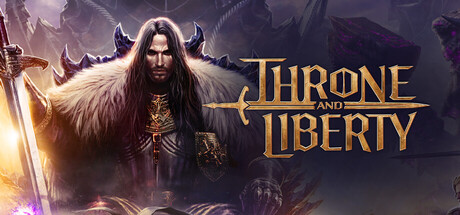
Stunning Graphics and Visuals: Graphics are repeatedly described as excellent, beautiful, and among the best in the genre, with a gorgeous, visually impressive world. Many consider it one of the best-looking MMOs available, running smoothly.
Overall Game Enjoyment: Players consistently praise the game as fun, great, and enjoyable, with many calling it excellent despite a steep learning curve. The core gameplay is widely considered smooth, attractive, and engaging.
Free-to-Play Accessibility: The game is completely free-to-play with no subscription fees, and players appreciate that everything can be earned through play without spending real money. It is not pay-to-win, making it easy to try.
Solid PvP Battles: PvP battles and events are well-regarded, with many players enjoying the competitive aspect. Large-scale PvP can be thrilling when it runs smoothly.
Engaging Combat System: The combat system is frequently highlighted as awesome, great, and enjoyable, with a thoughtful design that keeps players engaged. It is considered a core strength of the game.
Common complaints
Heavy Pay-to-Win Monetization: Players consistently describe the game as heavily pay-to-win, with real money purchases required to progress or remain competitive. Monetization is seen as predatory and central to the experience, severely impacting enjoyment and fairness.
Unbalanced PvP Experience: PvP is widely reported as extremely unbalanced, with gear and spending dictating outcomes rather than skill. Players note that even weak skills from well-geared players can dominate, leaving little room for fair competition.
Grindy and Tedious Progression: The grind is consistently described as not enjoyable, becoming tedious and terrible over time. Progression is heavily RNG-dependent and frustrating, often leading to weeks of stagnation.
Extremely Low Drop Rates: Drop rates for gear, bosses, and gathering are described as abysmal, often with specific extremely low percentages. This leads to frustration and the feeling that rewards are unattainable regardless of effort.
Repetitive and Dull Endgame: Endgame content is criticized as repetitive, boring, and lacking real substance for all players. PvE content is empty and serves only as a stopover, while late-game activities lose motivation quickly.
Gameplay and performance
Lucent Currency and Auction House: Lucent is the central currency tied to the Auction House, used for player trading and premium purchases. It can be earned through gameplay or bought with real money.
Character Progression Systems: The game includes character progression, leveling, and updates that affect progression speed. Progression involves grinding and RNG elements.
Dual PvE and PvP Content: The game offers both PvE and PvP content, with PvP providing end-game activities. Players can engage in both sides, making it a comprehensive MMORPG experience.
Pay-to-Win Monetization: The game has pay-to-win elements, with real money purchases impacting progression. Lucent bought with real money can be used to obtain gear and progression from other players.
Dynamic Combat System: Combat features a tab-target system with dual weapons, skills, and impact-heavy attacks. Weapon switching is a core mechanic.
Poor Optimization and Performance: The game is poorly optimized, causing lag, stutters, and low FPS even on high-end hardware. Performance drops are especially severe in mass PvP and large-scale events.
Bugs and Glitches: The game is plagued by numerous bugs and glitches, including character animation issues, camera bugs, quest-blocking bugs, and exploits that remain unfixed for months.
High Ping in SA/OCE: Players in South America and Oceania experience excessively high ping due to the lack of local servers. Ping often exceeds 150ms, with some reporting over 200ms, severely impacting gameplay.
Frequent Disconnections and Server Issues: Players report constant disconnections, server crashes, and connection losses, often during coop dungeons or mass PvP. These issues disrupt gameplay and cause loss of progress.
Good Performance on Some Hardware: Despite widespread issues, some players report smooth performance on mid-range or high-end hardware, and even on weaker devices like Steam Deck.
Recommendations
Strong Avoid Recommendations Dominate: A large number of reviewers explicitly tell others not to play this game, often in absolute terms. This sentiment spans multiple clusters with high repetition, indicating widespread dissatisfaction.
Poor Value for Money: Players repeatedly warn that the game is not worth spending money or time on and advise spending elsewhere. This appears across several clusters, underscoring a negative perceived value.
PvP Requires Heavy Spending: Reviewers warn that competitive PvP is dominated by whales and requires significant monetary investment. This makes the game unattractive for those unwilling to pay large sums.
Guild and Group Play Recommended: Many suggest joining an active guild or playing with friends to progress more easily and access features. This highlights the social aspect as a key to enjoyment.
Avoid Developer and Future Games: Some reviewers extend their negative recommendation to the developer's other titles, specifically mentioning Aion 2. This suggests a broader distrust of the company.
Buying context
Community fair range: $0.00 - $0.00.
Game completion: 75.0h.
Story completion: 20.0h.
Session length: 2.5h.
Endgame: 32.5h.
The game is often fun immediately, especially with friends or a guild, but for many players enjoyment later drops due to repetitive progression, P2W pressure, reset timers, and guild/community gatekeeping.
Friction: Progression and community gatekeeping for content access; P2W/lucent-driven progression gaps; Daily/weekly reset timers and scarce upgrade resources; Heavy grind and repetitive quests/dungeons; Solo-unfriendly design with group/matchmaking barriers; Unintuitive learning curve and short tutorial.
Player profiles
Large-Scale PvP Guild Competitor: Joins organized guilds and alliances, grinds gear for PvP, and participates in castle sieges, node wars, and boss-conflict zergs. Motivation: Competitive large-scale PvP, guild sieges, and controlling server resources. Stance: buy.
Chill Solo PvE Explorer: Plays solo or small co-op, avoids PvP zones and competitive gearing, and enjoys open-world traversal and PvE content at their own pace. Motivation: Relaxing exploration, scenery, questing, and non-competitive PvE progression. Stance: buy.
Burned-Out Endgame Veteran: Invests hundreds or thousands of hours in optimized gear, daily dungeons, PvP metas, and guild content, then quits or warns others when systems fail. Motivation: Long-term endgame progression and competitive relevance before becoming disillusioned by monetization, grind, and balance. Stance: no buy.
Platform notes
Performance is mostly negative across Windows cohorts below 16GB VRAM, with frequent stuttering, frame drops, crashes, and optimization complaints; the Windows 16GB+ VRAM cohort is mostly positive, citing solid optimization.
Windows <8GB VRAM: negative. Reports frequently mention stuttering, freezes, severe FPS drops in battles, high ping, and crashes, even among some recommended reviews.
Windows 12-15GB VRAM: negative. Several reports describe random frame drops, lag, connection issues, unstable GPU clocks, and hard crashes, while only a couple of users call performance okay.
Windows 8-11GB VRAM: negative. Reports describe poor optimization, crashes, black-screen failures, and instability, with no recommended performance evidence.
Steam Deck: The game suffers from severe performance issues on Steam Deck, frequent crashes, and anti-cheat barriers that prevent launch. Controller support is problematic, and users must rely on Proton-GE for acceptable performance. The overall experience is highly frustrating and requires significant tinkering, with many users unable to play at all.
Linux and Proton: The filtered dataset contains only one explicit Linux/Proton compatibility report, and it is positive: the game runs well on Linux with latest Proton-GE. The remaining reviews focus on progression, gear crafting, and grind complaints that are not tied to Linux, Proton, SteamOS, Wine, or native Linux builds. No launch failures, anti-cheat blockers, or Linux-specific performance issues are present. Linux/Proton friction is therefore assessed as minimal.
Extra review signals
Monetization: Reviews for Throne and Liberty consistently describe a free-to-play MMO where real money converts into Lucent, the auction house is gated behind premium currency, paid Battle Passes sell progression and power, and artificial limits push players toward spending. Although some players say F2P users can earn Lucent and that cosmetics dominate the shop, the direct evidence of real-money progression and intentionally frustrating design places the monetization in the highly predatory range.
External guides: Audit finds no Tier 1 farming, drop-rate, or loot-table dependency. The strongest explicit wiki-tax signal is a Tier 2 spreadsheet and inventory-management complaint, reinforced by resource-system bloat. Users also report Tier 3 guide and wiki dependency for complex systems and lore, plus Tier 4 technical login and account-restriction issues. Under strict priority, the Tier 2 evidence controls the score.
Other review notes
Free-to-play with optional payments: The game is consistently described as free to play with no subscription required, and players can experience it without spending real money. Monetization is optional and mainly accelerates progression.
Lucent is the paid currency: Lucent is the real-money currency central to the game's monetization, used for purchases, weapon upgrades, and materials. It can also be earned in-game through trading, allowing non-paying players to progress.
Pay-to-win monetization concerns: Many reviews describe the monetization as pay-to-win or heavily favoring paying players, with some noting aggressive monetization aimed at top-tier players. Others argue it is pay-to-fast rather than truly pay-to-win.
Auction house enables real-money trading: The auction house uses Lucent and allows players to exchange in-game items for premium currency, indirectly enabling real-money transactions. This system is a core part of the economy.
Declining player population: Online numbers are dropping rapidly, and some reviewers consider the game dead or predict it will be dead within two years. However, others note it is fragile but not dead.