- Exceptional Sherlock Holmes immersion and atmosphere
- Innovative deduction mechanics with strong narrative
- Engaging and varied cases with emotional impact
- High-quality voice acting and writing
- Frequent crashes and technical instability
- Unclear clues and clunky controls
Emotions
What players like:
Common complaints:
Gameplay feedback:
Performance notes:
Recommendations:
Other player notes:
Similar games
Blend with other games 91%Sherlock Holmes: The Devil's Daughter
 86%CaseCracker
 84%Staffer Case: A Supernatural Mystery Adventure
 84%The Great Ace Attorney Chronicles
 83%Agatha Christie - The ABC Murders
 83%Song of Farca
 83%Return of the Obra Dinn
 83%Tangle Tower
 83%Phoenix Wright: Ace Attorney Trilogy
 82%Agatha Christie - Death on the Nile
 82%Murders on the Yangtze River
 82%Duck Detective: The Ghost of Glamping
Review evidence
Why players say this
Review evidence
Why players say this
What players like
Positive emotional and cerebral impact: The game encourages critical thinking, self-reflection, and emotional engagement. Players feel a sense of achievement and immersion, making it a rewarding experience for fans of detective stories and logic puzzles.
Engaging and varied cases: The game features six independent, well-crafted cases with unique narratives, twists, and moral choices. Each case offers variety in tone, structure, and difficulty, keeping players invested throughout.
Innovative deduction mechanics: The deduction system encourages critical thinking, allowing players to connect clues, form hypotheses, and draw conclusions. The non-linear paths and moral choices add depth and replayability to the gameplay.
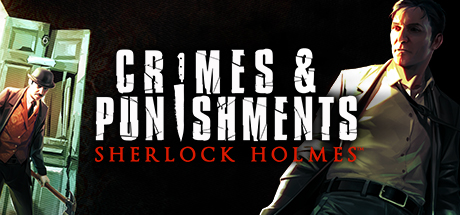
Exceptional Sherlock Holmes immersion: The game effectively captures the essence of Sherlock Holmes, with well-portrayed characters, Victorian London settings, and engaging deduction mechanics. Players feel like they are embodying the famous detective through logic, observation, and storytelling.
Strong narrative and atmosphere: The game excels in storytelling, with richly imagined Victorian London settings, atmospheric music, and immersive world-building. The narrative captures the spirit of Sherlock Holmes' original works while adding modern twists.
Common complaints
Frequent crashes and technical instability: The game suffers from widespread crashing, freezing, and performance issues, often requiring hard reboots or task manager interventions. These issues occur during gameplay, transitions, and even at launch, severely impacting playability.
Unclear or misleading clues and deductions: The deduction system is criticized for vague clues, forced conclusions, and lack of logical consistency. Players feel the game often guides them passively rather than allowing independent problem-solving, undermining the detective fantasy.
Short and unchallenging case design: Cases are often described as too simple, predictable, or lacking depth, with weak narratives and unsatisfying conclusions. The game’s length (15–20 hours) and lack of replayability are also noted as drawbacks.
Lack of narrative cohesion and depth: Cases feel disjointed with no overarching story, weak character development (e.g., underutilized Watson/Mycroft), and moral choices that lack meaningful impact. Players find the storytelling shallow compared to expectations.
Clunky and unresponsive controls: Players frequently report stiff, clunky, or unresponsive controls, particularly during movement and interactions. This includes issues like unintended actions, poor pathfinding, and rigid mechanics that disrupt gameplay flow.
Gameplay and performance
Case-Based Detective Gameplay: The game features six independent cases with narrative-driven progression, allowing players to solve crimes through evidence collection, deduction, and moral choices. Each case offers branching outcomes and multiple endings based on player decisions.
Deduction and Evidence System: Players connect clues using a neuron-like system (Mind Palace) to form logical deductions. The game emphasizes observation, imagination, and evidence analysis, though some mechanics are criticized for being overly simplistic or handholding.
Moral Choices and Endings: Players face moral decisions at the end of each case, such as condemning or absolving suspects, which significantly impact the narrative and multiple endings. These choices add replayability and depth to the storytelling.
Clue Interpretation and Logic: Players must interpret clues creatively, such as word substitution in the Kew Gardens case. The game rewards logical reasoning but can feel restrictive if deductions don’t align with the intended solution.
Technical and Design Issues: Bugs affecting case completion, pacing issues, and repetitive mechanics (e.g., scavenger hunts, item interactions) are noted as drawbacks. Some players also criticize the lack of guidance or overly linear deduction systems.
Graphical glitches and artifacts: Shadow rendering issues, floating characters, broken textures, and screen flickering are common. These problems persist across hardware configurations, including newer systems.
Stuttering and lag spikes: Severe stuttering occurs during cutscenes, prolonged play, and post-case interactions. Online ranking mechanisms and case-solving modules are identified as potential causes.
Steam Deck compatibility issues: The game underutilizes Steam Deck capabilities, with reports of locked 60fps and performance issues when using WineD3D. Post-processing settings are noted as problematic.
Progression-blocking bugs: Specific bugs (e.g., Watson walking into walls, broken quests) prevent players from advancing, requiring workarounds or replaying sections.
Audio inconsistencies: Issues include sound problems when disconnecting headsets and inconsistent audio mixing, which detract from immersion during gameplay.
Recommendations
Highly recommended for detective fans: The game is widely praised as a must-play for fans of detective, mystery, and Sherlock Holmes-themed games. Many reviewers highlight its immersive narratives, puzzles, and respect for player intelligence as key strengths.
Best value during sales: Reviewers frequently recommend purchasing the game only during sales or at a discounted price, citing bugs, crashes, or a niche appeal that doesn’t justify full price for all players.
Accessible for newcomers: The game is often recommended as a standalone entry point for the Sherlock Holmes series, with reviewers suggesting it’s suitable for both fans and beginners to detective games.
Technical issues and crashes: Several players report crashes requiring task manager intervention to proceed. Some also note minor UI issues, such as unclear clue identification, which detract from the experience.
Casual and relaxing gameplay: Players describe the game as moderately difficult and ideal for casual playthroughs, offering a relaxing yet engaging experience for those who enjoy puzzles and mysteries.
Platform notes
Steam Deck: The game suffers from critical technical barriers on the Steam Deck, primarily centered around **frequent crashes, stability issues, and poor optimization**. Users report system lockups, forced restarts, and crashes during key gameplay moments (e.g., case conclusions or clue investigations). While some players achieve stability through workarounds (e.g., Proton versions, launch parameters, or graphics tweaks), these fixes are inconsistent and require advanced technical knowledge. The game does not deliver a seamless out-of-the-box experience, violating the core promise of the Steam Deck's plug-and-play design. Performance issues, such as underutilized hardware and stuttering, further degrade the experience.
Extra review signals
External guides: The user feedback for the Sherlock Holmes game reveals a mixed experience. While the puzzle design and storytelling receive praise for their logical and engaging nature, significant issues are noted, including a lack of in-game guidance, technical problems, repetitive mechanics, and low difficulty in core gameplay segments. These drawbacks force players to rely on external resources like walkthroughs, disrupting immersion and reducing satisfaction for those seeking a challenging detective experience.
Other review notes
Historical and cultural depth: Players appreciate the game's historical setting, particularly its insights into 18th-century English society and references to Sherlock Holmes lore. Some also noted Chinese cultural elements, though translation errors were mentioned as a drawback.
Multilingual subtitle support: The game offers subtitles in multiple languages, including Spanish, which improves accessibility for non-English speakers. However, translation errors in Chinese were noted.
Developer and platform familiarity: Some players draw comparisons to other games by the same developer, suggesting a recognizable style. The game's frequent sales are also mentioned, indicating accessibility.
Immersive presentation features: The game's loading screen design and classical music soundtrack are praised for enhancing immersion. These elements contribute to the game's nostalgic and atmospheric appeal.
Achievements and meta-content: Players engage with achievements, including a specific one requiring consistent ending choices ('Noble Personality'). Trading cards are also noted as part of the meta-game experience.