- Improved sequel to FiTS with added depth.
- Appealing and unique art style.
- Classes offer unique playstyles.
- Tactical, card-based grid combat.
- Repetitive gameplay, grindy progression.
- Poor UI and visual clarity.
What players like:
Common complaints:
Gameplay feedback:
Performance notes:
Recommendations:
Other player notes:
Similar games
Blend with other games






Review evidence
Why players say this
Review evidence
Why players say this
What players like
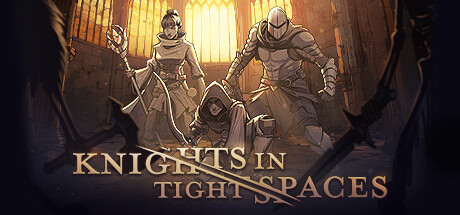
Improved sequel to FiTS: The game is a worthy successor and improvement over its predecessor, 'Fights in Tight Spaces'. Reviewers praise the enhanced graphics, polished gameplay, and overall refinement of the original formula, making it a must-play for fans.
Appealing and unique art style: The game features a highly appealing and unique art style, often described as gorgeous, stylish, and reminiscent of storybooks. The beautiful fantasy setting enhances the overall aesthetic experience.
New mechanics add depth/replayability: The game introduces new mechanics, such as equippable weapons and armor, a party system, and sidequests, which significantly increase replayability and strategic depth. The increased variety in enemies and abilities keeps combat fresh and engaging.
Engaging strategic elements: The game offers engaging strategic elements without being overly complex, striking a good balance for a deck-building game. Meaningful choices allow for strategic combat approaches, appealing to strategy-focused players.
Classes offer unique playstyles: The game offers a variety of classes, each with unique playstyles and equippable gear. No class feels weak from the start, and class-locking equipment incentivizes players to diversify their playstyle and composition.
Common complaints
Card system and party issues: The card system suffers from poor balancing, a disorganized card pool, and restrictions based on character class, limiting strategic options. The party system is clunky, and recruiting extra characters can dilute the card pool, leading to unwanted cards. Some cards are unusable depending on the character selected.
Repetitive gameplay, grindy progression: The game suffers from repetitive gameplay due to unchanging battles, maps, and goals, exacerbated by a grindy meta-progression system. Many reviewers felt that the card content was not expanded enough compared to the previous game. This leads to runs feeling identical and a lack of late-game satisfaction.
Excessive and punishing RNG: The game features excessive RNG elements that can lead to frustrating and unavoidable losses, especially on higher difficulties. Some missions spawn the player in unwinnable situations, and protection encounters can feel impossible due to initial game state. This reliance on luck diminishes the player's sense of control and accomplishment.
Missing quality-of-life features: The game lacks features such as quick card selection, quick character selection, and a fast-forward button for replays, making fights feel lengthy and tiring. The absence of a rewind feature also makes the game less forgiving than its predecessor.
Movement and camera issues: The game's lack of diagonal movement hinders strategic positioning. Character movements feel less fluid compared to the previous game, and there are issues with camera control.
Gameplay and performance
Tactical, card-based grid combat: The game blends deckbuilding roguelike mechanics with turn-based tactical combat on a grid, emphasizing positioning and card-based actions for movement, attacks, and defense. It's been compared to games like 'Fights in Tight Spaces' and 'Tactical Breach Wizards'.
RPG elements in fantasy setting: The game incorporates RPG elements such as classes, equipment, items, and a simple quest system within a medieval fantasy setting. Players can choose combat roles and acquire/improve equipment, and fight lots of new enemies.
Multiple game modes available: The game offers multiple modes, including a story mode that unlocks cards for use in other modes like daily play and endless mode. This provides varied gameplay experiences.
Undo moves and card recycling: The game allows players to undo moves, providing a high margin for error. Unused cards are shuffled into a discard pile and redrawn in the next turn.
Insignificant equipment improvements: While equipment exists in the game, some reviewers feel that it doesn't provide significant improvements to the characters. This could impact player progression and customization.
Game is buggy and prone to crashes: Many players have reported experiencing bugs and crashes. Some users have encountered game-breaking bugs, and the game crashed multiple times for others. Camera bugs near walls were also mentioned.
Recommendations
Demo, difficulty, and UI: These points focus on user experience and accessibility. Reviewers suggest trying the demo, adjusting difficulty settings, and highlight potential UI frustrations. Addressing these issues could improve player satisfaction.
Compared to "Fights in Tight Spaces": Many reviews compare this game to "Fights in Tight Spaces", with some recommending the original instead. Some suggest multiplayer to enhance the experience. This point highlights the game's position relative to its predecessor and potential improvements.
Generally positive experience: These clusters express general positive sentiment towards the game. While positive, they lack specific details about why the game is enjoyable, reducing their overall importance. Some reviews explicitly recommend the game, further reinforcing this sentiment.
Roguelike tactical card battler: This cluster summarizes the game as a roguelike deck builder with tactical elements. It is recommended for fans of the genre, but some reviewers find it lacking compared to other roguelikes. This point defines the game's genre and target audience.
Similar to other tactical games: These points provide context by comparing the game to similar titles like "Tactical Breach Wizards", "Into the Breach", and "Slay the Spire 2". This helps potential players understand the game's mechanics and appeal.
Other review notes
Redesigned user interface: The user interface has been redesigned, with resources like Momentum, Combos, and turn number repositioned on the HUD. This change impacts how players access and monitor key information during gameplay.
Features daily challenges: The game includes daily challenges, providing players with new and varied gameplay scenarios each day. This feature encourages replayability and offers opportunities for players to test their skills in different contexts.
Similar to Gloomhaven: The game shares similarities with the board game Gloomhaven. This comparison helps players familiar with Gloomhaven understand the game's strategic depth and card-based combat system.
Discoverability may be an issue: One reviewer discovered the game by accident, highlighting potential discoverability issues. This suggests that the game may not be effectively reaching its target audience through marketing or platform visibility.