- Addictive gameplay with excellent art and music.
- Satisfying deckbuilding and card progression system.
- Compelling Lovecraftian sci-fi theme enhances experience.
- Balance issues require further addressing.
- Poor translation quality detracts from experience.
- Progression feels restricted and somewhat slow.
What players like:
Common complaints:
Gameplay feedback:
Performance notes:
Recommendations:
Other player notes:
Similar games
Blend with other games





Review evidence
Why players say this
Review evidence
Why players say this
What players like
Fun, addictive, and enjoyable gameplay: The core gameplay loop is fun, addictive, and offers good value, making the game enjoyable for extended play sessions. The difficulty is well-balanced, providing a sense of accomplishment without being overly challenging. Runs are varied and fun.
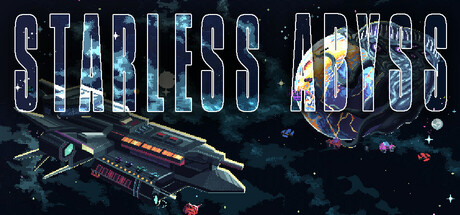
Excellent art, visuals, and music: The game features stunning pixel art, amazing visuals, and a great soundtrack, contributing positively to the overall experience. The art style is appealing, with a unique flair and retro aesthetic. The Japanese font choice complements the game's atmosphere.
Satisfying deckbuilding and card progression: The game offers a well-made deckbuilding experience with a rich and diverse card pool. Cards and artifacts are unlocked frequently, providing a sense of progression and replayability. Forming a card deck is very satisfying.
Compelling Lovecraftian sci-fi theme: The game's universe blends science fiction with Lovecraftian elements, creating a compelling theme. Attack types are re-contextualized as boons, adding a unique narrative layer to combat. The characters are well-written, creating genuine empathy.
Responsive developers: The developers are very responsive about bugs and issues, and were highly responsive to bug reports, suggestions, and questions during the testing phase.
Common complaints
Balance issues need addressing: Several reviews point to balance issues, including the economy, card values, and enemy difficulty. The in-game store has high costs and low rewards, and some enemies, like the spider, are considered overpowered. Card values might be too low, making it difficult to win without lucky multipliers.
Poor translation quality present: Multiple reviews cite significant translation issues, including machine translation errors, untranslated text, and altered meanings. This impacts gameplay and makes some parts incomprehensible. Some translations also use odd or outdated phrasing.
Progression feels restricted/slow: Players feel restricted by limited resources and the time it takes to unlock content. Currency is scarce, making it difficult to upgrade cards or ships, and unlocking all cards takes a significant amount of time. This limits strategic options and makes progression feel unrewarding.
Lacks clarity, poor explanations: The game lacks clear explanations of key mechanics, and tooltips can be overwhelming. Understanding enemy aggro and action order is unclear, and the codex is missing information. This creates confusion and slows down the learning process.
Bugs and technical issues: Several reviews mention bugs and technical issues. These include game freezes, achievements not working, and difficulty level selection errors. These issues detract from the overall player experience.
Gameplay and performance
Combines card game with strategy: The game blends roguelike card mechanics (like Slay the Spire) with turn-based tactical strategy (like Into the Breach) on a hexagonal grid. Players manage cards for attacks, shields, and ship abilities, with different factions supporting varied strategies.
Positioning and line of sight matter: Strategic positioning and line of sight are crucial in combat. Players must utilize skills with range limitations, manipulate enemy positions, and strategically place spaceships.
Energy, overheat, perks, upgrades: The game uses a shared energy system and overheat mechanic, limiting card play. Ships have perks, upgrades, and special cards. A compendium integrates story, information, and spaceships.
Limited run-wide items, universal cards: The game has few run-wide items, unlike Slay the Spire. Cards are universal across all characters. This affects strategic choices and progression.
Unlockable ships and cards: Progression involves unlocking and replacing spaceships and cards. This can be appealing or off-putting depending on player preference.
Great Steam Deck experience: The game is well-optimized for the Steam Deck, offering good performance and battery life. This makes it a great option for playing on the go.
Recommendations
Generally recommended for genre fans: Many reviewers recommend the game, especially to fans of deck-building roguelikes, turn-based strategy, and games like Slay the Spire and FTL. They find it worth the time and money, praising its quality and potential for long-term enjoyment. Some suggest it's also suitable for 'light gamers'.
Needs significant optimization: One reviewer explicitly advises against purchasing the game in its current state, citing a need for significant optimization. This suggests potential performance issues that detract from the experience.
Add custom game modes: A reviewer suggests enhancing the game with custom game modes, including both developer-created content and player-generated content via a workshop or similar system. This would increase replayability and community engagement.
Minor localization issues: A reviewer notes localization issues but states that they do not significantly hinder gameplay. This suggests the game is still playable despite some translation or text-related problems.
Other review notes
DICE resource influences randomness: The game uses a DICE resource that allows players to influence random events and card selection. This mechanic adds a layer of strategic depth by giving players some control over the game's inherent randomness.
Desire for continuous content updates: The reviewer hopes that the game will receive continuous updates and content additions over time. They note that many deckbuilder card games lack regular content updates, which can lead to player attrition.
Ominous Phantasy Star 2 aesthetic: The game's aesthetic is reminiscent of endgame Phantasy Star 2, creating an ominous and unsettling atmosphere. This unique visual style contributes to the game's overall sense of dread and mystery.
Short first run (one hour): The reviewer completed their first run in just one hour, which may indicate a short campaign or easy difficulty. This could be a positive or negative depending on player preferences.