- Hoverboard traversal is thrilling
- Visuals and style impress strongly
- Bosses and combat shine brightly
- Puzzles are clever and fun
- Crafting system is confusing
- Gameplay suffers from jank
Emotions
Archetypes
What players like:
Common complaints:
Gameplay feedback:
Performance notes:
Recommendations:
Other player notes:
Similar games
Blend with other games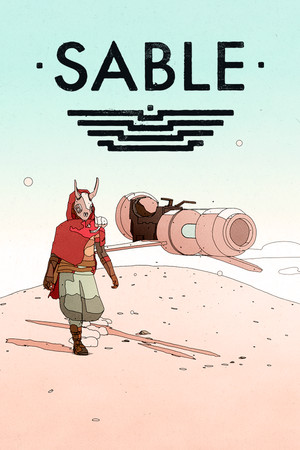




Review evidence
Why players say this
Review evidence
Why players say this
Steam review verdict
Thrilling hoverboard traversal and stunning visuals pair with clever puzzles and shining combat, though a confusing crafting system and janky gameplay hold it back.
What players like
Hoverboard is a blast: The hoverboard is the standout feature, described as fun, fast, fluid, and satisfying. Many reviews highlight it as the core mechanic that makes traversal unique and enjoyable.
Hoverboard customization praised: Players love the deep customization and upgrade system for the hoverboard, from colors and patterns to speed and handling. Upgrades make the experience more personal and dynamic, enhancing exploration.
Music includes great rock: The soundtrack, featuring hard rock, is a standout, with music tapes adding to the atmosphere. Music fits the action well and enhances moments throughout the game.
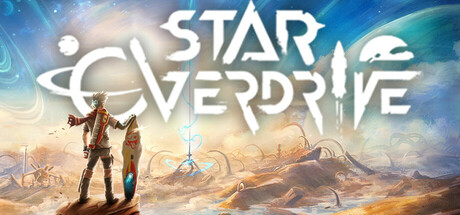
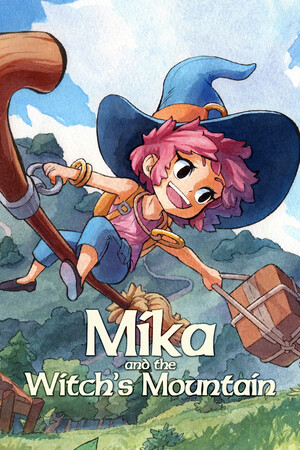
Visuals and style impress: The game's graphics and art style are praised for being visually appealing, with a bold, cartoonish, cel-shaded look. The atmosphere is strong, adding to immersion.
Bosses and combat shine: Boss battles and combat are exciting and well-designed, with abilities and powers adding dynamic options. The keytar powers are a creative highlight that boosts both combat and exploration.
Common complaints
Crafting system is confusing: Multiple clusters indicate the crafting mechanics are unintuitive, random, and lack transparency regarding material effects. Players often resort to guessing, and the system feels more complicated than necessary.
Gameplay suffers from jank: The game is described as lacking polish, with clunky gameplay and various bugs. This negatively impacts the overall experience and makes it feel less refined.
Combat lacks depth: Combat is described as atrocious, mediocre, and simple, with weak enemy AI and few enemy types. The slow feel and excessive knockback make combat frustrating.
Hoverboard controls are finicky: Hoverboard handling is slippery and difficult to control precisely, with no traditional brake. Early game is frustrating because the hoverboard can't traverse all terrain until upgraded.
Skill tree underwhelming: Both the skill tree and hoverboard upgrade system feel undercooked, with underwhelming perks. Players find the progression systems shallow and unrewarding.
Gameplay and performance
Hoverboard traversal is core: The hoverboard serves as the primary movement mechanic, used for exploration, tricks, and upgrades across an open world. Many reviews highlight it as a key, fun, and customizable feature.
Puzzle-filled dungeons and shrines: The game features numerous puzzles, often situated in dungeons or shrine-like areas, drawing comparisons to Zelda shrines. Environmental puzzles and temple challenges are recurring elements.
Open-world exploration emphasized: The game is an open-world adventure focused on exploration and navigation. Reviews frequently describe it as a high-speed open-world experience with traversal as a central activity.
Combat with abilities included: Combat is present, featuring abilities and tactical possibilities. It complements traversal and puzzle-solving, with powers that can be unlocked and used in battle.
Heavily inspired by Zelda: Many reviewers note the game follows the Breath of the Wild formula, from structure to physics, reinforcing its Zelda-like identity. This comparison is widespread and central to player expectations.
Optimization generally praised: Players note good overall optimization, with smooth performance on integrated GPUs and no FPS drops or major stutters. This indicates the game is well-tuned for a variety of hardware.
Runs great on Steam Deck: Multiple players report excellent performance on the Steam Deck, achieving a stable 60fps. This suggests strong optimization for the handheld platform.
Glitches during high-speed play: High-speed collisions can trigger glitches like being teleported backwards, and the map may get stuck requiring a reload. These issues disrupt gameplay but may be niche depending on playstyle.
Visual clarity issues: FSR and graphics appear blurry to some players, which can hurt visual quality and immersion. This is a common complaint on certain settings or hardware.
Audio and loading delays: Sound feels delayed and there are map loading freezes on dated PCs, which can hinder the experience on lower-end hardware. These are less severe but still noted by players.
Recommendations
Recommended for Zelda fans: Reviewers who enjoy Zelda BOTW and similar titles, including its exploration and puzzle segments, are likely to enjoy this game. The comparison to the Zelda formula is a strong selling point.
Positive overall recommendation: Several reviews give a straightforward positive recommendation without specific details, indicating a generally favorable impression. These are simple endorsements of the game.
Suitable for puzzle lovers: Fans of puzzle games, including guessing-style puzzles and Zelda shrines, are targeted in recommendations. It's a must-play for puzzle enthusiasts.
Worth buying on sale: Many reviewers advise purchasing the game during a sale, especially deep discounts of 50% or more, to get good value. It's a common suggestion for undecided players.
Not recommended for all: Some reviewers do not recommend the game for certain players, such as those seeking a fun hoverboard game, and suggest it has issues. There are caveats to the positive feedback.
Buying context
Community fair range: $15.00 - $30.00.
Game completion: 40.0h.
Story completion: 11.0h.
The game has early friction from restrictive controls and puzzles, but enjoyment often clicks after mastering the hoverboard and unlocking abilities, typically within the first hour. Some players never reach the fun part due to the initial slog.
Friction: restricted early traversal; confusing controls; tedious puzzles; slow start; frustrating physics; puzzle backtracking.
Unlock drivers: getting used to controls; unlocking abilities; mastering hoverboard; understanding puzzle mechanics; world opening up.
Player profiles
Zelda-Inspired Explorer: Explores the open world, solves puzzles in dungeons, and collects items, expecting a Zelda-like progression and discovery. Motivation: To experience exploration, puzzle-solving, and a sense of adventure reminiscent of Zelda games. Stance: buy.
Hoverboard Speed Demon: Focuses on high-speed traversal, performing tricks, using boosts, and customizing the hoverboard while exploring the world. Motivation: To enjoy the thrill of speed and fluid hoverboard movement, treating the board as the core gameplay mechanic. Stance: buy.
Chill Wanderer: Explores at a leisurely pace, enjoys the atmosphere, and fills the map without pressure, often in short sessions. Motivation: To relax and unwind in a peaceful, low-stakes open world with calming music and simple exploration. Stance: buy.
Platform notes
Linux and Proton: Based on the single available review, the game runs great on Steam Deck (Linux) without any reported issues. No evidence of Proton friction, crashes, or required workarounds.
Other review notes
Heavily inspired by Zelda BOTW: Many reviewers note the game's strong resemblance to Breath of the Wild, with some features nearly identical and others combining elements from Windwaker and TOTK. Comparisons often reference shrine-like puzzles, open-ended exploration, and physics.
Demo available and carries over: A demo is available on Steam and Switch, and progress from the demo transfers to the full game. Reviewers who played the demo appreciate this feature.
Indie studio with limited resources: The game is developed by an indie team, not an AAA studio, which is acknowledged in reviews. Some note the small company's constraints but still praise the final product.
Shorter content than Zelda: The content size is smaller compared to Zelda games, with a main quest taking 10-15 hours and full exploration taking 3-4 times longer. Some see it as respecting player's time.
Hidden gem with potential: Many describe the game as an underrated indie gem with heart, memorable adventure, and potential. It shows love and dedication from the developers.