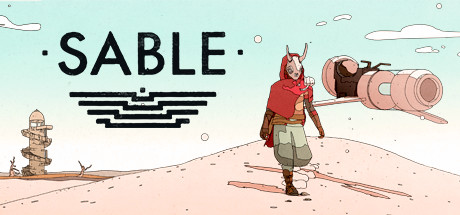
- Striking unique art style
- Amazing atmospheric soundtrack
- Calm relaxing exploration
- Clunky climbing mechanics
- Janky movement and controls
- Frequent stuttering and drops
Emotions
Archetypes
What players like:
Common complaints:
Gameplay feedback:
Performance notes:
Recommendations:
Other player notes:
Similar games
Blend with other games




Review evidence
Why players say this
Review evidence
Why players say this
Steam review verdict
Despite its striking art style, amazing soundtrack, and relaxing exploration, the game is held back by clunky climbing, janky controls, and frequent stuttering.
What players like
Striking and unique art style: Players frequently praise the game's unique and attractive visual design, often comparing it to artists like Moebius or noting the influence of Scavengers Reign. The art style is described as cute, beautiful, and striking, with a particular mention of a 12fps animation style that works well.
Amazing and atmospheric soundtrack: The soundtrack, especially by Japanese Breakfast, is widely acclaimed as amazing, gorgeous, and even enjoyable outside the game. Specific elements like the hoverbike engine sound and intro music are highlighted for enhancing the atmosphere.
Calm and relaxing exploration: The game offers a calm, peaceful, and meditative exploration experience that feels welcoming and relaxing. Players enjoy the non-violent focus and the sense of freedom while exploring a big, pretty world with lots to see and do.
Interesting worldbuilding and lore: The worldbuilding and lore are praised as interesting and imaginative, with an expansive world featuring detailed maps and a sense of discovery through map fragments and landmarks. Free exploration encourages players to uncover the world's details.
Ambitious indie with great concepts: Players were initially attracted by the art style and lore-oriented gameplay, and they appreciate the nice game concept and good ideas present. It's seen as an ambitious open world for an indie team, an impressive achievement for a two-person team.
Common complaints
Clunky climbing mechanics: Climbing mechanics are reported as clumsy, inconsistent, and buggy, often glitching or lacking fluid animations. Stamina consumption is too fast, and players cannot climb faster, which adds to frustration.
Janky movement and bike controls: Many players criticize the hoverbike controls as janky, wild, and glitchy, causing flipping and getting stuck. The bike's physics and pathing are poor, and general character movement is also described as janky.
Empty unrewarding world: The world is described as empty, with no worthwhile rewards or discoveries during exploration. Motivation fades quickly after the first few hours due to lack of interesting content.
Repetitive fetch quests: Quests are heavily criticized as repetitive fetch quests that become chores or boring tasks. They lack variety and meaningful design, making them feel mundane.
Frequent stuttering and drops: Performance issues like constant stuttering, frequent framerate drops (even on high-end rigs), and visual/audio stutters are common. These bugs significantly hinder the experience.
Gameplay and performance
Quest and dialogue systems: The game includes quests, NPC dialogues, and collectibles, often requiring traversal to locations to gather items.
Open-world hoverbike exploration: Players frequently mention exploration in an open world on a hoverbike, often in a desert setting. This combines traversal with discovery.
Climbing stamina system: Climbing is a core mechanic governed by a stamina gauge, similar to other exploration games, adding endurance-based platforming.
Vehicle customization and upgrades: The game features customization of hoverbikes and other vehicles, including parts, costumes, and mobility-focused upgrades.
Atmospheric exploration focus: Players highlight the game's atmospheric and cozy exploration, often with lore discovery and a relaxing feel.
Stuttering and frame drops: Players report frequent stuttering and severe frame drops, with some experiencing 0.5-1 second hangs (Cluster 9) and drops to 10-15 FPS on lowest settings (Cluster 10). This occurs on both high-end rigs (Cluster 5) and Steam Deck (Cluster 2).
Poor optimization across platforms: General poor optimization is cited (Cluster 3), with instability on Steam Deck (20-60 FPS variability, Cluster 2) and poor performance on high-end GPUs like RTX 4070 Ti (Cluster 31). Issues persist even two years post-release (Cluster 6).
Visual and graphical issues: Players note geometry loading issues (Cluster 7), texture overlap (Cluster 26), lighting flickering (Cluster 37), and visual stutters (Cluster 40). Weird graphical issues and pop-in on shadows/scenery also occur (Cluster 25, 43).
Audio glitches and bugs: Multiple audio issues are reported, including clipping (Cluster 4), sound bugs (Cluster 21), audio cutting out (Cluster 27), and incorrect music cues (Cluster 28). These affect gameplay immersion.
Performance on Steam Deck not verified: The game is not Steam Deck verified (Cluster 12) and runs poorly on the device, with choppy gameplay even at lowest settings (Cluster 13, 16).
Recommendations
Strongly not recommended overall: Multiple clusters express a clear recommendation against purchasing the game, citing issues with polish, bugs, and value. This is a dominant theme across many reviews.
Only buy on deep sale: Several clusters advise that the game is not worth the full price and should only be purchased at a significant discount, suggesting poor value for money.
Poor polish and bugs: Reviews highlight technical issues, including bugs and performance problems, making the game feel unfinished or barely playable, affecting the recommendation.
Niche appeal only: The game is recommended only for specific audiences, such as those who enjoy collectathons, atmosphere, or exploration without engaging gameplay, limiting its broad appeal.
Not worth current state: Reviews indicate the game is not worth its current price or status, with expectations that future patches might improve it, but not recommending it now.
Buying context
Community fair range: $10.00 - $15.00.
Game completion: 18.0h.
Story completion: 10.0h.
Sable's time-to-fun is reached after leaving the tutorial region, typically within 1-2 hours, where the game opens up to exploration and discovery. However, the early slog and repetitive quests may deter some players, and fun can later decline as novelty wears off.
Reported time to anchor: 2h.
Friction: slow and boring tutorial; clunky bike traversal; repetitive fetch quests; buggy UI and controls; empty world with repetitive scenery; frequent technical issues.
Unlock drivers: leaving tutorial area; exploration freedom; discovery of unique quests and locations; appreciation of art style and music; moments of gameplay clicking.
Player profiles
Chill Desert Wanderer: Casual, unhurried exploration without combat pressure. Motivation: Relaxation and atmospheric exploration. Stance: buy.
Achievement Hunter: Methodical, thorough, seeks to 100% the game. Motivation: Completion and mastery. Stance: buy.
Art & Sound Connoisseur: Immersive, taking time to enjoy visuals and soundtrack. Motivation: Appreciation of art, music, and atmosphere. Stance: buy.
Platform notes
Steam Deck: The game suffers from severe performance instability (frequent frame drops to 10-15 FPS, stuttering, and crashes) alongside notable camera and control issues, resulting in a broken experience on Steam Deck despite occasional positive reports.
Linux and Proton: The game has significant performance issues on Steam Deck (Linux), with multiple users reporting low FPS, stuttering, and crashes even after applying graphical tweaks and DXVK. While one user finds it playable, the consensus is that the game performs poorly and requires heavy workarounds, placing it in the 'barely playable' category for Linux/Proton compatibility.
Extra review signals
External guides: The primary external data dependency is instructional: users need walkthroughs, guides, and wikis to understand puzzles, navigate quests, and resolve lore. This aligns with Tier 3 (The Student) where the barrier is learning systems or finding content.
Other review notes
SBI involvement under scrutiny: One reviewer credits Sweet Baby Inc for dialogue direction, sparking concern about external influence on the narrative.