- Excellent sequel with major improvements
- Captivating story and characters
- Beautiful art style and visuals
- Easy and repetitive combat
- Lack of innovation
- Boring dungeon exploration

Emotions
What players like:
Common complaints:
Gameplay feedback:
Performance notes:
Recommendations:
Other player notes:
Similar games
Blend with other games 80%Rhapsody II: Ballad of the Little Princess
 79%The Legend of Heroes: Kuro no Kiseki Ⅱ -CRIMSON SiN-
 79%Snezhinka:Sentinel Girls2
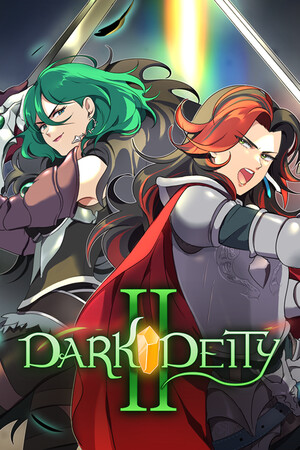 79%Dark Deity 2
 79%Soul Hackers 2
 79%TROUBLESHOOTER: Abandoned Children
 78%Fantasy Maiden Wars - DREAM OF THE STRAY DREAMER -
 78%The Legend of Heroes: Trails in the Sky the 3rd
 78%The Legend of Heroes: Ao no Kiseki KAI
 78%Trinity Trigger
 78%Punch Club 2: Fast Forward
 78%Valkyria Chronicles 4 Complete Edition
Review evidence
Why players say this
Review evidence
Why players say this
What players like
Excellent Sequel, Major Improvements: Players consistently praise the game as a superior sequel, building upon the original's strengths with significant improvements across all aspects. This includes refined gameplay mechanics, enhanced quality-of-life features, and a more polished overall experience, making it a comprehensive upgrade.
Captivating Story & Characters: The game's narrative is highly engaging, featuring well-developed characters and an emotionally impactful story. Players appreciate the depth, twists, and overall progression of the plot, which keeps them invested and eager for the outcome.
Beautiful Art Style & Visuals: The game's art style is widely praised for its beauty, charm, and meticulous detail. Players appreciate the captivating visuals, character designs, and overall aesthetic, which contribute to a visually immersive world.
Outstanding Soundtrack: The game's soundtrack is consistently highlighted as outstanding, with beautiful compositions that perfectly complement the atmosphere and enhance emotional moments. The music significantly contributes to the overall immersive experience.
Improved Soul Cannon Mechanic: The 'Soul Cannon' mechanic has been significantly improved, adding a new layer of tension and strategic depth to combat. Its enhanced implementation makes it a more ominous and impactful threat, elevating the stakes in battles.
Common complaints
Easy & Repetitive Combat: Many players found the game's difficulty to be too low, with only a few challenging boss fights. This led to a lack of engagement and made the combat feel monotonous and repetitive, especially with limited enemy variety and basic attack methods.
Lack of Innovation: A significant number of players felt the game was too similar to its predecessor, reusing many assets, systems, and even plot points. This led to a sense of repetitiveness and a lack of innovation, making the sequel feel like a rehash rather than a new experience.
Predictable & Shallow Story: The story received mixed feedback, often described as predictable, average, and sometimes cheesy. Players noted issues with character reactions, inconsistent pacing, and a lack of deep emotional impact or character development, with some plot points feeling forced or unoriginal.
Boring Dungeon Exploration: Exploration of dungeons and temples was cited as a weak point, often described as boring, annoying, and lacking interesting mechanics. The overall gameplay was perceived as shallow and monotonous, particularly in boss battles with repetitive minion-spawning cycles.
Limited Voice Acting: Players expressed disappointment over the lack of full voice acting, with daily dialogue only using tone sounds. There was also a desire for more language options, specifically English dubs, to broaden the game's appeal.
Gameplay and performance
Soul Cannon Redesigned: The Soul Cannon mechanic is significantly altered, becoming a forced event when the tank's HP drops below a certain threshold, especially in boss fights. Unlike the first game, the choice of which character to sacrifice is now random and automated, adding a new layer of tension and consequence. However, a new 'Managarm' option provides a temporary incapacitation instead of permanent death.
Familiar Core Gameplay: The core gameplay mechanics, including turn-based combat and the overall loop, remain largely consistent with the first game. While some minor refinements and new elements are introduced, the fundamental experience is familiar to returning players.
Tactical Tank Combat Core: The game centers on tactical, turn-based combat involving a giant tank piloted by children. Players manage three active characters and three support characters, all sharing the tank's HP and SP. Combat involves exploiting enemy weaknesses with specific weapon types and strategically swapping characters.
New Morality System: A new Empathy/Resolution morality system is introduced, primarily affecting Malt, the protagonist. Dialogue choices influence Malt's disposition, unlocking unique passive 'Leader Skills' and potentially leading to different story outcomes and endings.
Moderate Length & Difficulty: The game offers a moderate completion time (12-22 hours) with multiple endings based on player choices. Resource and time management are crucial for progression, and the overall difficulty is perceived as slightly higher than the first game, though still manageable.
Stable and optimized performance: Players reported a smooth experience with no crashes, bugs, or performance issues, indicating a stable and well-optimized game.
Resolution setting bug: Some users experienced issues with the resolution setting in the options menu, preventing them from selecting their desired display resolution. This suggests a minor bug in the display settings interface.
Recommendations
Play First Game First: Players strongly advise playing the first game in the series before this sequel to fully understand the story, characters, and appreciate mechanical improvements. It's considered essential for narrative context and a richer experience.
Highly Recommended Game: The game is highly recommended by players, who feel it offers excellent value for its cost and time investment. Many consider it a strong contender for 'Game of the Year' and express a desire to replay it.
Recommended for Furry Fans: The game is particularly recommended for fans of 'furry' characters and those who enjoy turn-based JRPGs with a unique aesthetic. It's highlighted as a must-buy for this specific niche, despite some perceived flaws.
Support the Developers: Players encourage supporting the developer, CyberConnect2, to ensure the continuation of the series and the development of a full trilogy. They appreciate the studio's unique approach to game development.
Good for Solatorobo Fans: The game is recommended for players of 'Solatorobo' due to shared lore and name drops, suggesting a connection or similar appeal between the two titles.
Other review notes
Direct, Darker Sequel: This game is a direct and darker sequel to the first installment, continuing its story and themes. It builds upon the predecessor's foundation, offering an enhanced experience while maintaining core similarities.
Prominent Furry Aesthetic: The game features a strong 'furry' aesthetic with diverse animal-humanoid characters, which is a significant draw for many players. This design choice is consistent with the developer's previous works and appeals to both dedicated fans and general audiences.
Strong Replayability & Endings: The game offers significant replayability, with multiple endings and paths that encourage multiple playthroughs. Completing the true or perfect ending often requires more than one run, with average completion times ranging from 20 to 29 hours.
Part of Niche Connected Universe: The game is part of a larger, niche universe established by previous titles like 'Tail Concerto' and 'Solatorobo'. It expands on this unique world, set centuries before other games, appealing to long-time fans of the developer's interconnected series.
Underrated & Highly Praised: Despite a perceived lack of marketing, the game has garnered a 'Very Positive' reception on Steam, with players expressing strong appreciation and even calling it inspiring. Many feel it deserves wider recognition.