- Sequel improves upon the original game experience.
- High-quality voice acting enhances the narrative.
- Highly customizable difficulty for all players.
- Deep, strategic ability system promotes tactical play.
- Generic characters and uninspired story elements.
- Poor visual clarity and confusing user interface.

What players like:
Common complaints:
Gameplay feedback:
Performance notes:
Recommendations:
Other player notes:
Similar games
Blend with other games 85%Valkyria Chronicles 4 Complete Edition
 85%Arcadian Atlas
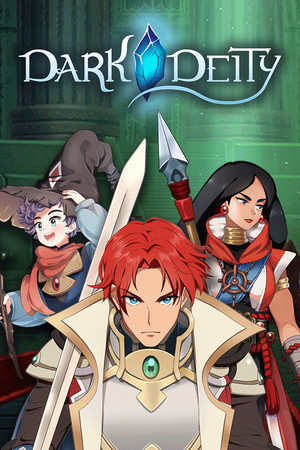 85%Dark Deity
 84%Redemption Reapers
 84%Those Who Rule
 84%Fell Seal: Arbiter's Mark
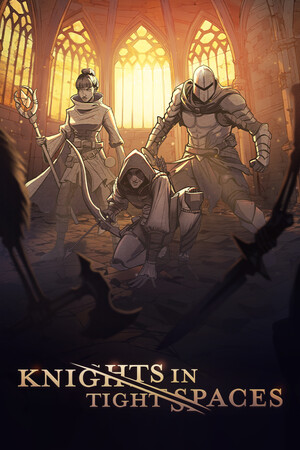 83%Knights in Tight Spaces
 83%The Great Villainess: Strategy of Lily
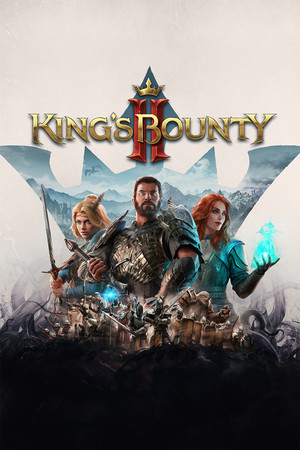 82%King's Bounty II
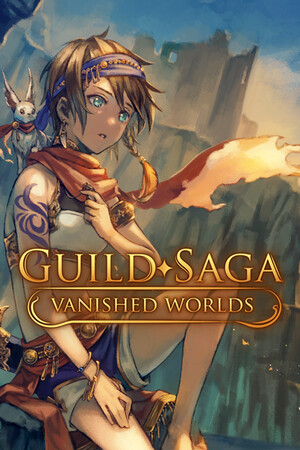 82%Guild Saga: Vanished Worlds
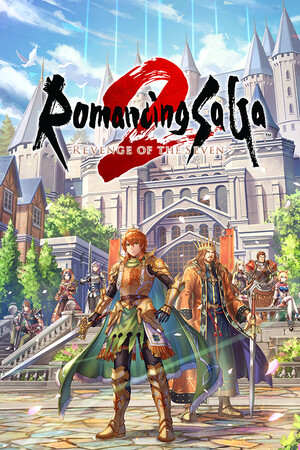 82%Romancing SaGa 2: Revenge of the Seven
 82%Phantom Brave: The Lost Hero
Review evidence
Why players say this
Review evidence
Why players say this
What players like
Sequel improves upon original: The sequel shows improvements over the first game in various aspects, including map design, art direction, writing, UI, and gameplay mechanics. Reviewers noted a higher level of polish and refinement, making it a more enjoyable experience overall. The game builds upon the foundation of its predecessor while introducing new and improved elements.
High-quality voice acting enhances story: The game features excellent voice acting that enhances the story and characters. Reviewers specifically praised the performances of certain voice actors and noted the positive impact on immersion. The presence of full voice acting, especially for an indie studio, was also appreciated.
Highly customizable difficulty options: The game offers a wide range of difficulty and accessibility options, making it suitable for both newcomers and experienced SRPG players. These options include adjustable difficulty levels, customizable stat growth, and the ability to remove turn limits. This flexibility allows players to tailor the experience to their preferences and skill level.
Extensive character customization options: The game provides extensive customization options for characters and gameplay, allowing for diverse builds and increased replayability. Reviewers appreciated the depth and variety of these options, which added depth and variety to the gameplay. The built-in Randomizer further enhances replayability.
Deep, strategic ability system: The game features a deep and engaging ability system, with unique character classes and strategic options. The mana system adds depth to combat, and the combination of weapons, runes, and classes allows for diverse character builds. Reviewers found the unit building aspect to be one of the game's greatest strengths.
Common complaints
Generic characters and story: Several reviewers found the characters and story to be generic, unoriginal, and lacking emotional depth, especially when compared to the first game. This makes it difficult for players to become invested in the narrative or characters, leading to a less engaging experience.
Poor visual clarity and UI: The game suffers from visual clarity issues, including a light color palette that causes sprites to blend into backgrounds and a busy UI that is confusing and disorienting. Additionally, menu navigation with a controller is cumbersome.
Unclear and disorienting narrative: The narrative is unclear from the beginning, with dialogue that drags and a story that drops the player in without sufficient context. This can make it difficult for players to understand the plot and characters.
No weapon upgrade indicators: The game lacks clear indicators for weapon upgrades, making it difficult for players to determine whether a new weapon purchase is worthwhile. This adds unnecessary friction to the item management process.
Cannot rebind buttons: The game does not allow players to rebind buttons, limiting customization and potentially creating accessibility issues for some players.
Gameplay and performance
Turn-based tactics with class-based combat: The game retains turn-based tactics gameplay from the first Dark Deity, but introduces class systems and weapons that may require adjustment for returning players. Combat and playstyle are significantly affected by character classes, a common feature in TBS games.
Strategic map design and objectives: The game's map design and varied objectives encourage strategic army splitting and task delegation, preventing players from simply overpowering enemies. This adds depth and keeps maps engaging.
Mana system adds strategic depth: The mana system enhances strategic depth, drawing inspiration from games like Triangle Strategy. It adds complexity to characters and maps, providing players with more tactical options.
Skippable tutorial for veterans: The game provides a tutorial at the beginning, which veteran players have the option to skip. This allows new players to learn the mechanics while not forcing experienced players to replay content.
Runs well on Steam Deck: The game is optimized for the Steam Deck, offering a smooth and enjoyable experience on the handheld device. Reviewers specifically noted that the controls feel good, indicating a well-considered control scheme for the platform.
Controller-friendly UI, minor bugs: The game's UI is well-suited for controller usage, enhancing accessibility for players who prefer using a controller. Some minor UI bugs were observed, suggesting an area for potential improvement.
Recommendations
Strongly recommended for SRPG fans: The game is highly recommended overall, especially for fans of turn-based strategy RPGs like Fire Emblem. Reviewers emphasize that even those who disliked the first game or are new to the genre should give this sequel a try, citing improvements and accessibility.
Modern take on Fire Emblem: The game is seen as a modern take on the Fire Emblem formula, with some reviewers considering it a better version, while others find it a bland clone. This point highlights the game's strong resemblance to the Fire Emblem series, both in gameplay and style.
Developers actively fixing issues: The developers are actively addressing issues and implementing fixes quickly after launch. This responsiveness is a positive sign for the game's future and indicates a commitment to improving the player experience.
Other review notes
Recent price reduction: The game's price was reduced shortly after purchase and refund. This could indicate a pricing strategy issue or a response to initial sales performance.
Enjoyable without playing first: Players can enjoy the game without prior experience with the first installment. This makes the game accessible to newcomers and expands its potential audience.