- Excellent core gameplay loop
- Great co-op experience overall
- Creative and varied mechanics
- Story is cliché and shallow
- Difficulty causes cooperative frustration
- Technical issues and poor optimization
Emotions
Archetypes
Hardware
What players like:
Common complaints:
Gameplay feedback:
Performance notes:
Recommendations:
Other player notes:
Similar games
Blend with other games




Review evidence
Why players say this
Review evidence
Why players say this
Steam review verdict
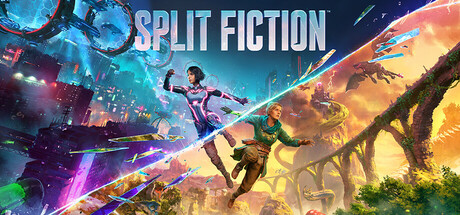
Excellent core gameplay and creative mechanics make for a great co-op experience, but a cliché story, frustrating difficulty, and poor optimization hold it back.
What players like
Better than It Takes Two: Many reviews compare this game favorably to It Takes Two and A Way Out, citing it as a superior successor in gameplay, story, and visuals.
Excellent core gameplay: Players consistently praise the core gameplay loop as fun, enjoyable, and well-executed.
Great co-op experience: The cooperative experience is universally praised, with strong support for both local and online play.
Creative and varied mechanics: Players love the constantly changing mechanics and creative co-op design that keeps the experience fresh and engaging.
Top-tier co-op game: Widely regarded as one of the best cooperative games ever made, with many calling it a masterpiece.
Common complaints
Story is cliché and shallow: A large number of players criticize the story as cliché, predictable, shallow, and lacking emotional depth. The narrative is often described as barebones, basic, and unengaging.
Difficulty causes frustration in co-op: The game's difficulty and frustration are highlighted, especially for less experienced players or those with a skill gap. Issues include unclear objectives, confusing design, and poor balance, potentially hurting co-op relationships.
Overall quality is underwhelming: Overall, many players find the game underwhelming, with poor pacing, a weak soundtrack, low replay value, and a sense of being rushed. Scores like 6.5/10 reflect a mediocre consensus.
Technical issues and poor optimization: Technical and performance issues are reported, including FPS drops, bugs, crashes, and controller problems. Optimization is criticized, especially on lower-end hardware, and some players mention connectivity issues.
Writing and dialogue are poor: The writing and dialogue are frequently panned as poor, cringeworthy, childish, or laughable. Players note bad dialogue quality, indistinct voice acting, and a lack of humor.
Gameplay and performance
Mandatory two-player co-op: The game is fundamentally a cooperative experience requiring two players to communicate and coordinate. It features both local split-screen and online co-op with a friend pass.
Constantly changing mechanics: Gameplay mechanics change frequently, often every 20 minutes or per chapter, introducing new puzzles, platforming, combat, and boss fights. This keeps the experience fresh and engaging.
Alternating sci-fi/fantasy worlds: The game constantly switches between science fiction and fantasy settings, offering a unique and varied thematic experience. This alternation is a core feature praised by players.
Optional side quests: There are optional side quests and trials, including 12 missable side quests, which add depth and replayability to the game. Players appreciate having extra content beyond the main story.
Multi-phase boss fights: Boss fights feature multi-phase environmental challenges, requiring coordination and strategy. These encounters are a highlight of the varied gameplay.
Good overall performance: Multiple reviews report that the game runs well, is well optimized, and performance is solid on various PC setups.
No bugs reported: Some players report no bugs or crashes, including in local split-screen mode, indicating a stable experience for certain users.
Fantastic optimization: One review praises the fantastic optimization, noting no freezes or stutters during the entire game.
Impressive UE5 graphics: The UE5 engine delivers impressive lighting and materials, enhancing visual quality.
Crash issues reported: Some players encounter crash issues, affecting stability.
Recommendations
Top-tier co-op gameplay: The game is widely praised as one of the best co-op experiences available, with many players calling it a must-play for both local and online co-op fans. Reviewers emphasize its fun, relaxing, and chaotic co-op gameplay.
Compared to It Takes Two: Players repeatedly compare this game to It Takes Two, recommending it as a natural next step for fans of that title. However, one dissenting review says it is not as good as It Takes Two.
Strong general recommendation: Multiple reviews give the game a strong overall recommendation, with scores like 9/10 and a general call to recommend it to friends. This reflects high general satisfaction.
Great with friends: The game is highly recommended for playing with friends or a loved one, with reviewers highlighting it as great fun for group play. It is seen as a worthwhile experience for social gaming.
Best with a good friend: Reviewers emphasize that the game requires a good friend to play with, and that its value is unquestionable when shared. They guarantee positive results from playing with a friend.
Buying context
Community fair range: $14.99 - $49.99.
Game completion: 30.0h.
Story completion: 14.0h.
The game's time-to-fun is moderate to long: players generally report 1-3 hours of slow or repetitive play before the variety of mechanics and increased difficulty create a compelling experience. The anchor is the moment when levels combine previously learned gimmicks and the difficulty sharpens, often around the last third (roughly 5-10 hours in). A minority of players never reach this state and find the game consistently boring.
Friction: slow start in early chapters; repetitive core loop for some players; unclear puzzle solutions; stiff controls under time pressure; mid-game story pacing issues; overall length can cause fatigue.
Unlock drivers: accumulation of new gameplay mechanics; increased difficulty and challenge; combining gimmicks from earlier levels; getting past the slow first few chapters.
Player profiles
The Co-Op Enthusiast: Seeks deep cooperative mechanics, constant communication, and varied gameplay that evolves across levels; enjoys both casual and challenging moments with a dedicated partner. Motivation: To experience the pinnacle of cooperative game design with a friend or partner, valuing creativity, teamwork, and shared memorable moments above all. Stance: buy.
The It Takes Two Comparer: Analyzes new co-op titles through the lens of previous Hazelight games, comparing mechanics, creativity, story, and overall polish; values innovation but holds a strong reference point. Motivation: To assess how Split Fiction stacks up against Hazelight's past work, especially It Takes Two, often to guide purchasing decisions for themselves or others. Stance: sale.
The Casual Duo Player: Plays with a non-gamer partner (spouse, friend, child); values accessibility, forgiving difficulty, and shared fun over hardcore challenge; appreciates the Friend Pass feature. Motivation: To enjoy a relaxed, bonding experience with a partner who is not deeply into gaming, without frustration or steep learning curves. Stance: buy.
Platform notes
Performance is generally very positive across most hardware tiers, with only the 8-11GB VRAM cohort showing significant mixed reports due to stuttering and lag on some 12GB VRAM systems.
Windows <8GB VRAM / <16GB RAM: positive. Most players report good performance on varied hardware, including low-VRAM systems, with only isolated complaints about boss fight frame drops attributed to low VRAM.
Windows 12-15GB VRAM / 16-31GB RAM: positive. Nearly all reports praise smooth performance at high settings, with one negative review citing difficulty and optimization concerns unrelated to hardware.
Windows 8-11GB VRAM: mixed. Majority report zero issues and smooth gameplay, but four negative reviews highlight severe lag and stuttering even on 12GB VRAM systems, indicating mixed performance.
Steam Deck: Split Fiction runs exceptionally well on Steam Deck with minimal technical friction. The vast majority of users report smooth performance, no need for third-party launchers, and excellent optimization. A few isolated stability issues and controller aim assist complaints exist but do not detract from the overall seamless experience.
Linux and Proton: User feedback overwhelmingly indicates that Split Fiction runs perfectly on Linux via Proton. No compatibility tweaks, workarounds, or blockers are reported. The game is fully playable out of the box.
Extra review signals
Monetization: Split Fiction is overwhelmingly praised for having no microtransactions, no DLC, no battle pass, and no predatory monetization. The only mentions of DLC are player wishes for future content, not evidence of existing or planned paid DLC. The game is a one-time purchase with a free friend-pass, scoring very low on the monetization scale.
External guides: The feedback centers on the need for external guides to find hidden secrets and missable achievements, typical of the 'The Tourist' category.
Other review notes
Fun with unskilled players: Multiple reviews mention playing with a friend or sibling who is very bad at the game, leading to hilarious and memorable difficulties. This highlights the game's potential for cooperative fun with less skilled players.
Cross-platform Friend Pass: A cross-platform Friend Pass is mentioned, allowing one copy of the game to be shared with another player. This feature is praised for its convenience and accessibility.
Gifted copy bias: The reviewer notes that the game was gifted, which may affect the reliability of their price opinion. This caveat suggests the review should be interpreted with caution regarding value assessments.
Superficial game comparisons: The reviewer compares the game to titles like Euro Truck Simulator and Counter-Strike, but does not provide specific gameplay critique. This comparison may be superficial rather than substantive.