- Distinct asymmetric playable factions
- Extensive unit customization system
- Excellent real-time strategy gameplay
- Decent graphics and sound design
- General bugginess and technical flaws
- Outdated graphics and dated interface
Emotions
Archetypes
What players like:
Common complaints:
Gameplay feedback:
Performance notes:
Recommendations:
Other player notes:
Similar games
Blend with other games


Review evidence
Why players say this
Review evidence
Why players say this
Steam review verdict
Distinct asymmetric factions, deep unit customization, and excellent RTS gameplay shine despite bugginess, technical flaws, and dated visuals, interface, and only decent audio.
What players like
Distinct asymmetric factions: Players consistently highlight that the four factions offer completely different movement, weapon, and resource systems, forcing varied tactics. This strong asymmetry is a core strength of the game.
Decent graphics and sound: Graphics and audio are generally considered acceptable or nice, though not modern. The soundtrack, in particular, receives praise.
Competent and underrated RTS: Feedback describes it as a solid RTS that surpasses some newer games, often calling it underrated. It appeals strongly to fans of the genre.
Extensive unit customization: Players can customize units with various armor, weapons, and attributes, allowing tailored strategies. This feature is widely praised.
Overall positive reception: General feedback is that the game is good, fun, and still loved by reviewers today. It remains a classic that many enjoy.
Common complaints
General bugginess and flaws: Many players note the game has numerous flaws and is buggy, though some specify issues are minor. Others report severe crashes and unplayable states.
Outdated graphics and animations: Graphics, textures, and animations show their age and feel outdated by today's standards. Some find them acceptable but old.
Multiplayer connectivity broken: Players consistently report that multiplayer does not work and cannot connect to games, preventing playing with friends. Servers also appear unsupported with no online players.
Dated interface and controls: The UI and control scheme feel outdated and inconvenient, requiring significant adjustment time. Many find the interface ugly and clunky.
Pathfinding problems cause stuck units: Units frequently get stuck due to erratic pathfinding, especially in narrow passages. This leads to frustrating gameplay and AI issues.
Gameplay and performance
Real-time strategy core gameplay: The game is fundamentally a real-time strategy title with classic base building and unit production. This defines the core experience.
Unit customization from parts: Players can design and customize units using researched parts and templates. This allows tailoring armies to specific strategies.
Four distinct playable factions: There are four factions, each with unique units, technologies, and playstyles. They provide significant replayability and strategic diversity.
Faction-specific base building mechanics: Each faction has its own base construction methods and technology trees. This adds depth and differentiation between factions.
Skirmish and campaign modes: Players can engage in skirmish battles against AI or follow a story-driven campaign. Both modes offer different experiences.
Frequent crashes: Feedback describes frequent crashes, including during the tutorial, during resolution changes, and on first launch, sometimes requiring compatibility mode workarounds.
Incompatible with modern Windows: Multiple users report the game fails to launch on Windows 10 and 11, even with compatibility mode, and some experience instant crashes or closure on Windows 11.
Good performance and optimization: Some users report good optimization, playable performance on integrated graphics, and smooth operation on systems that struggle with other games.
Lag and performance drops: Lag is present, and FPS drops when armies are large, affecting gameplay smoothness.
Resolution launch issues: The game cannot be launched at 1920x1080 resolution, and running in windowed mode with a raised resolution close to 1080 works best.
Recommendations
General positive recommendation: Reviewers broadly recommend the game, describing it as highly recommended, well worth the money, or worth trying overall.
Strong RTS fan recommendation: Many reviewers highly recommend the game specifically for real-time strategy enthusiasts, calling it a must-have or must-play for RTS fans.
Wait for sale: Several reviewers advise buying the game only on discount or waiting for a sale, often citing better value at a lower price.
Appeals to classic RTS fans: The game is recommended for fans of old-school, base-building, retro, or classic science-fiction RTS titles, particularly those seeking a unique experience.
Not recommended: Some reviewers strongly advise against buying the game, with some calling it a waste of money or not worth purchasing.
Buying context
Community fair range: $2.00 - $5.00.
Game completion: 25.0h.
Session length: 2.0h.
The game often starts slowly and is weighed down by a steep research-tree learning curve, incomplete onboarding, and campaign or access problems; for some players it becomes fun after unlocking the tech tree and fielding giant mechs, or by moving straight to skirmish. Other players report that it never clicks for them.
Friction: Slow early game; Steep learning curve, especially the research tree; Incomplete tutorial and limited unit information; Boring or poorly paced campaign/tutorial missions; Multiplayer and DRM access failures; Dead official multiplayer servers.
Unlock drivers: Unlocking the tech tree and mass producing giant mechs; Jumping into skirmish rather than campaign; Sticking with the steep learning curve; Playing all four factions to understand units; Using the helpful tutorial first.
Player profiles
Series Lore Veteran: Campaign-focused faction lore, nostalgia, and series continuity. Motivation: Continuing the Earth series story and revisiting a familiar classic. Stance: buy.
Hardcore RTS Systems Tinkerer: Micro-heavy skirmish and campaign play, optimizing modular bases and researched unit variants. Motivation: Mastering asymmetric factions, base building, and unit customization. Stance: sale.
Multiplayer and Co-op Skirmisher: Skirmish, PvP, and PvE through EarthNet or direct connection, often avoiding the campaign. Motivation: Playing competitive or cooperative matches with friends rather than the campaign. Stance: no buy.
Platform notes
Steam Deck: The review set is mixed. Steam Deck and Linux users report both successful Proton launches and serious Wine-port issues, including fullscreen failures and crashes. The most consistent Steam Deck-relevant friction is small UI text and awkward controls at Full HD, which users work around by lowering resolution. Because the game is playable for some Deck users but still requires tinkering or compromises for others, the friction sits in the Tinkering Required range.
Linux and Proton: Linux feedback is mixed but clearly troubled. Some users report that the game runs well under Ubuntu, Linux Mint, and Proton, including on Steam Deck, but multiple reviews explicitly describe the Linux version as a Wine-wrapped build that is broken, crashes, fails to launch, or has broken fullscreen. One user also reports Wine-specific activation friction tied to simulated hardware and OS identity. The evidence supports a rough Linux experience with some playable configurations rather than a universally broken game.
Extra review signals
External guides: The reviews contain minor external-wiki references for lore and production background, plus one concrete technical input bug requiring an alt-tab workaround. There is no evidence of farming/drop-rate dependency, inventory/crafting planning, or quest/build/mechanic instructional dependency. Under the strict priority algorithm, no Tier 1, Tier 2, or specified Tier 3 trigger is present, so the default Tier 4 Tourist score applies.
Other review notes
Mandatory registration required: The game requires product registration or a serial key to play, including on first boot and for full version access. This registration often asks for personal details such as name, email, phone, and address.
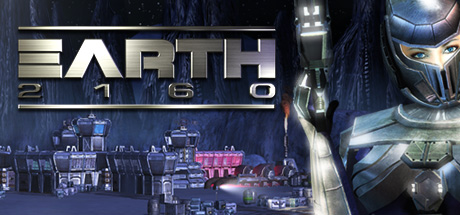
Part of Earth series: The game is a direct sequel to Earth 2150 and the third entry in the Earth 21XX series. It follows survivors who settled on Mars after Earth's collapse in 2150.
Old game from mid-2000s: The game was released in 2005 or 2006 and is considered an older title. Its graphics are good for its time but dated by modern standards.
Unfavorably compared to predecessors: Many reviewers find the game weaker than earlier Earth series titles, especially Earth 2150 and Earth 2140. Some call it a disappointment compared to Earth 2150.
Favorable StarCraft comparison: Several reviewers compare the game favorably to StarCraft, with some calling it at least as good as the original. It is also compared positively to classic RTS games like Warcraft and Age of Empires.