- Rich Daedric lore expanded
- Strong atmosphere and aesthetic
- Fun experimental Elder Scrolls spinoff
- Persistent bugs and crashes
- Save-corrupting bug on Level 5
- Only for Elder Scrolls superfans
Emotions
Archetypes
What players like:
Common complaints:
Gameplay feedback:
Performance notes:
Recommendations:
Other player notes:
Similar games
Blend with other games 85%The Elder Scrolls: Arena
 83%The Elder Scrolls Adventures: Redguard
 81%The Elder Scrolls II: Daggerfall
 80%Underkeep
 80%Drova - Forsaken Kin
 80%Dungeons of Blood and Dream
 80%The Elder Scrolls III: Morrowind® Game of the Year Edition
 80%ADOM (Ancient Domains Of Mystery)
 79%Monomyth
 79%Siege of Avalon: Anthology
 79%Gothic 1
 79%Barony
Review evidence
Why players say this
Review evidence
Why players say this
Steam review verdict
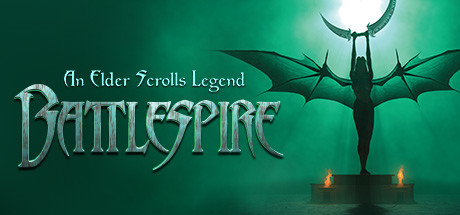
A fun experimental Elder Scrolls spinoff with rich Daedric lore and strong atmosphere, but persistent bugs, crashes, and a save-corrupting Level 5 issue limit it to superfans.
What players like
Rich Daedric lore expanded: The game significantly expands Elder Scrolls lore, particularly around the Daedra, their politics, and Oblivion. Many players find this the strongest and most rewarding aspect.
Strong atmosphere and aesthetic: The dark, ominous atmosphere, Oblivion aesthetic, and eerie soundtrack are consistently praised. The moody, unsettling presentation fits the Daedric setting well.
Fun experimental Elder Scrolls spinoff: The game represents a bold, original experiment that successfully delivers a darker, combat-focused take on the Elder Scrolls formula. Many wish Bethesda would revisit this style.
Excellent period voice acting: Voice acting is widely praised as above standard for its time, with extensive voice work covering NPCs and enemies alike. Some consider it among the best in the series.
Challenging strategic real-time combat: Combat is difficult and unforgiving, requiring strategy, timing, and effective use of magic, potions, and arrows. Hits feel meaty, and success is rewarding despite frustrations.
Common complaints
Persistent Bugs and Crashes: Feedback frequently mentions buggy, unstable behavior, including frequent crashes and corrupted saves. This affects gameplay significantly across many reports.
Save-Corrupting Bug on Level 5: Multiple reports describe a severe, game-breaking bug on Level 5 that can corrupt save files and make the game unplayable. Some players had to quit entirely because of it.
Performance Issues on Modern Systems: The DOSBox version suffers from terrible performance, frequent crashes, and low FPS even on modern hardware. Tweaking settings often does not help.
Poor Mechanics Explanation: Many in-game mechanics are not explained clearly to the player, including basic gameplay instructions. This adds to the confusion and difficulty.
Subpar and Janky Combat: Combat is described as lackluster, janky, and not up to modern standards. Several players note it has not been improved.
Gameplay and performance
Dungeon Crawler Gameplay: Players emphasize the game as a first-person dungeon crawler with linear progression and varied environments. It is described as an unforgiving, old-school dungeon crawler that stays true to the RPG genre.
Character Creation Depth: The game features detailed character creation with race, attributes, skills, advantages, and disadvantages. Character creation choices directly affect difficulty and gameplay style.
Dialogue with Enemies: A unique dialogue system allows conversing with enemies before combat. Players can ask enemies not to attack or even fight for them, adding strategic depth.
Daedra Dialogue and Lore: Players can engage in dialogue with Daedra, learning about their politics and lore. This enriches the game's narrative and world-building.
Voice-Acted Dialogue: Feedback highlights fully voice-acted NPCs and enemies throughout the game. Voice acting adds immersion to conversations and interactions.
DOSBox emulator performance issues: Many users report that the DOSBox emulator causes performance problems, including stuttering, low frame rates, and high CPU usage. The emulator is often cited as outdated and the source of technical instability.
Frequent crashes and instability: Crashes occur intermittently, with some players experiencing them every few hours, and others facing fatal bugs that corrupt save files. The technical state is described as terrible by several reviewers.
Game-breaking glitches and bugs: Numerous game-breaking glitches and bugs are reported, including crashes, save corruption, and getting stuck. These issues make the game borderline unplayable for some.
Optimization and tweaking mixed results: Some players manage to run the game semi-okay with small fixes, while others find that tweaking DOSBox does nothing or that a technical update does not fix the game. Results vary widely.
Stuttering and low FPS: Frame rate issues are widespread, with reports of stuttering, 15-20fps, and FPS capped at 5-10 on modern hardware. Outdoor segments are particularly affected.
Recommendations
Only for Elder Scrolls superfans: A large share of reviewers say this title appeals narrowly to dedicated Elder Scrolls enthusiasts, especially those invested in the lore. Casual players and newcomers are repeatedly warned away.
Not worth playing for most: Many reviewers explicitly say the game is not worth playing or recommending to a general audience. Frequent criticism centers on poor design and a frustrating overall experience.
Deeply frustrating and difficult experience: Feedback often describes painfully difficult mechanics, instability, and a lack of modern polish. Several reviewers say only patient players or old-school RPG veterans will tolerate it.
Guides strongly recommended for play: Reviewers frequently advise using a guide or walkthrough, sometimes from the very first level onward. Finding objectives and progressing without help is described as nearly impossible.
Best for retro and classic RPG fans: The game is most often recommended to fans of classic RPGs, retro dungeon crawlers, and older design philosophies. These players are the most likely to appreciate what it offers.
Buying context
Community fair range: $2.99 - $5.00.
Game completion: 24.0h.
Story completion: 24.0h.
Battlespire is widely reported as a clunky, repetitive, grindy dungeon crawler that becomes a boring slog for many players, with no clear time when it turns fun. A few players find conditional enjoyment through story and lore, magic-system investment, or nostalgic multiplayer, but these do not establish a reliable time-to-fun anchor.
Friction: Clunky and broken combat, controls, and UI; Linear progression and repetitive levels; Grindy, un-rewarding progression; Being stuck for a long period in the first level; Boring or drab soundtrack; Game-breaking bug preventing bow re-equip on level 7.
Unlock drivers: Persistence and adaptation can turn demanding progression into a rewarding experience for dedicated players.
Player profiles
Franchise Completionist Historian: Plays through each TES title in order for lore, world-building, and atmosphere, tolerating dated graphics and clunky design along the way. Motivation: Exploring the history and legacy of the Elder Scrolls franchise and completing every entry in the series. Stance: buy.
Old-School Dungeon Crawler Veteran: Min-maxes builds, rerolls failed characters, and pushes through clunky controls and bugs for tactical combat and exploration. Motivation: Seeking an unforgiving, old-school dungeon-crawling challenge with deep, punishing character building. Stance: buy.
Blind Newcomer Learning to Optimize: Starts a blind first playthrough, flounders with character creation, then rerolls with everything poured into optimized skills and stats. Motivation: Curiosity about a classic RPG, driven to learn and then exploit its opaque character systems after early failure. Stance: sale.
Platform notes
Steam Deck: The audit finds the main Steam Deck barrier is Linux compatibility: users report the Steam version does not work out of the box and requires significant troubleshooting to run. Feedback also mentions dated controls and interface that can cause usability friction, but the game remains worthwhile. There is no evidence of battery drain, external launchers, crashes, or anti-cheat failures.
Linux and Proton: The available Linux feedback points to workaround-heavy compatibility. The Steam version is reported not to work out of the box, and Linux users describe significant trouble getting it running. The GOG version via Lutris is said to work flawlessly, so Linux users may reach gameplay, but not through the default Steam path. The evidence supports a Tinkering Required verdict rather than fully broken or works-well.
Extra review signals
External guides: The audit finds a clear Wiki Tax centered on instructional and content-discovery dependency. Reviewers repeatedly say they need a guide, walkthrough, or wiki to complete quests, solve puzzles, choose a class or build, understand stats and systems, and find hidden content by interacting with everything. There is no evidence of farming or drop-rate grinding, and no evidence of inventory management or crafting-valuation concerns. Under the strict priority algorithm, the evidence matches Tier 3: The Student, so the score is 50.
Other review notes
Experimental Spin-off in Franchise: Many describe Battlespire as an experimental spin-off or side entry, not a mainline Elder Scrolls game. It is often called obscure, odd, and controversial within the series.
Series Comparisons and Placement: Reviewers frequently compare Battlespire to other Elder Scrolls titles, especially Daggerfall, Arena, and Redguard. Many see it as a spiritual successor to Daggerfall or a less complete step back.
Request for Remake or Unity Port: Many reviewers wish for a modern remake, remaster, or a Unity source port similar to Daggerfall Unity. They believe this would address bugs, clunky gameplay, and bring out the game's potential.
Historical Significance and Origins: Battlespire originated as a Daggerfall expansion before becoming standalone. It was developed alongside Morrowind and is remembered for its experimental nature and impact on Bethesda's history.
Unique Lore and Daedric Focus: Battlespire expands Elder Scrolls lore, particularly around Daedra and Oblivion. Many elements introduced here are referenced in later games.