- Immersive Warsaw setting with excellent writing.
- Meaningful choices with significant story consequences.
- Visually appealing, detailed environments.
- Strategic combat system using unique Salutors.
- Repetitive, shallow combat is a major flaw.
- Poor animations and voice acting detract from immersion.
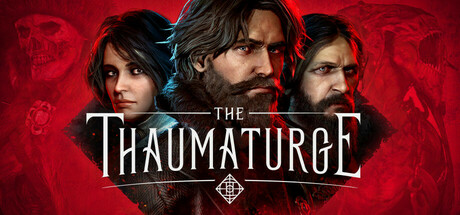
What players like:
Common complaints:
Gameplay feedback:
Performance notes:
Recommendations:
Other player notes:
Similar games
Blend with other games





Review evidence
Why players say this
Review evidence
Why players say this
What players like
Immersive, detailed Warsaw setting: The game is set in a meticulously detailed and immersive recreation of Warsaw in 1905, under Russian rule. It captures the city's atmosphere, architecture, and socio-political tensions, blending historical realism with fantasy elements. The setting is a major draw, offering a unique and refreshing backdrop compared to other RPGs.
Visually appealing, detailed environments: The game features gorgeous visuals and a detailed world, creating an immersive experience. The isometric perspective enhances the detail and hides potential issues. The environments are lovely and well-designed, with each level being distinct yet compatible with the city, creating an authentic and alive feel.
Excellent writing, sharp dialogue: The game features remarkable writing, with well-developed characters and sharp dialogue. The writing style is well-balanced, avoiding excessive length or brevity, and uses elegant language without being overly verbose. The dialogues are wonderful and feel realistic.
Meaningful choices, significant consequences: The game features a complex, decision-oriented system where choices have significant consequences, impacting the world, quest outcomes, and characters. The protagonist's flaw, pride, plays a significant role, influencing dialogue options and the role-playing experience. The game explores themes of guilt, pride, and destiny, adding depth to the gameplay.
Generally enjoyable, interesting experience: The game is generally enjoyable and interesting, with a good story and historical references. The reviewer found the combat engaging enough to maintain interest. The game is easy to play and focuses on enjoyment without requiring excessive effort.
Common complaints
Repetitive, shallow combat system: The turn-based combat is frequently criticized for being repetitive, shallow, and easy, even on higher difficulties. Many reviewers noted a lack of enemy variety, limited tactical options, and the overuse of the same strategies. This leads to player fatigue and a desire to avoid combat encounters.
Poor animations and voice acting: Many reviewers noted that character animations, especially facial animations, appear stiff, unnatural, and outdated. Voice acting quality is inconsistent, with some jarring accents and emotionless deliveries. These issues detract from immersion and make it difficult to connect with the characters.
Automated, linear investigations: The game's detective mechanics are criticized for being too automated and linear, with the player simply clicking on highlighted objects and the protagonist drawing conclusions without meaningful player input. This removes player agency and makes the investigation process feel like a chore.
World lacks interactivity, depth: The game world feels empty and lacks interactivity, with limited exploration opportunities and generic NPCs. Many reviewers noted a lack of meaningful choices and consequences, making the story feel linear and the RPG elements underdeveloped.
Uninspired, linear skill progression: The skill tree and character progression system are criticized for being uninspired, linear, and lacking meaningful customization options. Many reviewers noted that the game is too easy, making build variety irrelevant, and that there are not enough skill points to fully develop all aspects of the character.
Gameplay and performance
Strategic, turn-based combat system: The game features a turn-based combat system with a timeline-based initiative system. Players strategically manage character abilities, buffs, debuffs, and status effects to exploit enemy weaknesses. The combat system is a core gameplay element, with some reviewers drawing comparisons to Persona and Shin Megami Tensei.
Supernatural detective work and investigation: Players take on the role of a Thaumaturge, a supernatural detective, who investigates mysteries using special senses to perceive emotions and hidden clues tied to objects and people. This involves gathering evidence, making deductions, and influencing characters through dialogue choices. The protagonist, Wiktor, can also tame and utilize Salutors (demons) in both combat and investigations.
Story-driven adventure with light RPG: The game leans towards a dialogue-driven adventure with limited RPG elements such as loot, character upgrades, or complex choices. The game world is divided into smaller, explorable zones rather than being a fully open world. The focus is more on the story and exploration than strategic gameplay or character progression.
Strategic use of Salutors: Salutors are mystical beings with unique abilities that can be strategically used in combat to exploit enemy vulnerabilities and remove buffs. Players can acquire and develop Salutors, each representing different flaws, to enhance their combat techniques and unlock new abilities. The Salutor system adds depth and customization to the combat experience.
Linear and simplistic detective work: The detective work often involves following a simplistic 'red thread' or clicking on highlighted items, with the protagonist automatically making deductions. Some reviewers found the detective component well-designed and engaging, while others felt it was too linear and lacked player involvement. The game is more of a detective simulator than a true detective game.
Performance and stability issues: Numerous reviews report significant performance and stability issues, including stuttering, lag, frame rate drops, crashes, freezes, and graphical glitches. These issues occur across a range of hardware configurations, even high-end systems, suggesting poor optimization. Some users have found temporary solutions by adjusting graphics settings or verifying game files, but the problems persist for many.
Inconsistent, demanding graphics: The game exhibits inconsistent graphics quality, with some textures appearing blurry or low-resolution, even on high settings. Some users report that lowering graphics settings doesn't significantly impact visual quality, suggesting a lack of optimization. Additionally, the game can be demanding on hardware despite not being visually impressive.
Overheating and hardware strain: Some reviewers report that the game causes their graphics cards to overheat and fans to run at high speeds, even on low settings. This indicates that the game is putting excessive strain on hardware, potentially leading to system instability or damage. Some users have experienced crashes and other issues that they did not encounter with other demanding games.
Poor character models/animations: Several reviews criticize the game's character models and animations, particularly facial animations, which are described as stiff, outdated, or unsettling. Some reviewers note that character faces lack detail and expressiveness, detracting from the overall visual quality. The game also suffers from screen shaking and head-jerking animations during cutscenes.
Inconsistent Steam Deck experience: The game's performance and compatibility on Steam Deck are mixed. Some users report smooth performance, while others experience graphical glitches, blurriness due to resolution limitations, or the game defaulting to Polish language settings. This suggests that the Steam Deck experience is inconsistent and may require user adjustments.
Recommendations
Compelling narrative and immersive story: The game is praised for its engaging narrative, intriguing mysteries, and well-developed characters. Many reviewers recommend it to players who enjoy story-rich experiences, detective elements, and immersive worlds, often highlighting the game's ability to draw players in despite its flaws. The story is the main reason to play the game.
Recommend purchasing on sale: Many reviewers suggest waiting for a sale before purchasing the game, citing that while the game has its merits, it may not be worth the full price due to its flaws or the availability of other options. The game is often considered a worthwhile experience at a discounted price. Some reviewers suggest trying the game within the refund window.
Unfulfilled potential: Some reviewers express mixed feelings, acknowledging the game's potential but noting that it ultimately falls short due to various flaws. They feel the game could have been much better with more polish or a larger budget. This point reflects a sense of unfulfilled promise.
Disappointing ending(s): Some reviewers express disappointment with the ending or endings of the game, with some feeling that they are not satisfying or worth replaying the game to experience different variations. This suggests that the conclusion of the story may not live up to the expectations set by the rest of the game. This point is important, but the constructiveness is low.
Unique setting and cultural elements: Reviewers recommend the game to those interested in the unique setting of early 20th-century Warsaw under Russian occupation, its blend of history and occultism, and its Polish cultural elements. Playing with the original Polish voice acting and English subtitles is frequently suggested for a more authentic experience. The game offers a distinctive cultural and historical experience.
Other review notes
Unique, detailed historical setting: The game is set in early 1900s Warsaw under Russian occupation, a unique and detailed setting rarely explored in games. It blends historical events, political tensions, and cultural nuances with Slavic folklore and occult elements, creating an immersive experience. The game incorporates real historical figures and references, encouraging players to learn more about Polish history.
Interesting Thaumaturge/Salutor lore: Thaumaturges are individuals who can perceive and manipulate emotions by summoning and controlling mystical beings called Salutors. This concept is central to the game's lore and gameplay, allowing players to influence thoughts, read imprints from objects, and engage in combat using Salutors' abilities. The Thaumaturge universe is very interesting.
Rasputin as supporting character: Rasputin is a character in the game who assists the protagonist and becomes involved in the story. His portrayal and interactions add a unique element to the game's narrative. The game earns points for including Rasputin.
Quirky mood, artistic direction: The game has a quirky mood and a smaller studio charm. It attempts to make statements and has an artistic direction. The writing style is delicate and emotional, reminiscent of Disco Elysium.
Average story, average length: The game's story is considered average in quality and length. Some reviewers found the story to be good, while others felt it was like a bad TV show with a disastrous ending.