- Highly enjoyable and unique experience
- Engaging, well-written story
- Authentic necromancer fantasy
- Lack of clear quest direction
- Slow pacing, excessive dialogue
- Lack of polish, janky controls
Emotions
What players like:
Common complaints:
Gameplay feedback:
Performance notes:
Recommendations:
Other player notes:
Similar games
Blend with other games






Review evidence
Why players say this
Review evidence
Why players say this
What players like
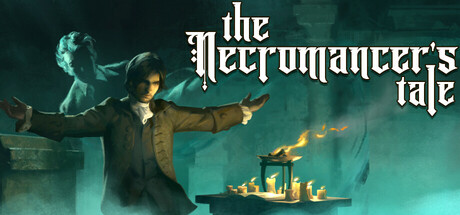
Highly enjoyable and unique experience: Players are overwhelmingly positive about the game, finding it highly enjoyable, unique, and a refreshing take on the CRPG genre. Many express deep satisfaction and immersion, highlighting its engaging nature and overall fun factor.
Engaging and well-written story: The game's narrative is consistently praised for being intriguing, engaging, and well-written. Players appreciate the deep branching choices, believable characters, and the slow-burn storytelling that focuses on a character's descent into dark magic.
Authentic necromancer fantasy: A core appeal of the game is its successful fulfillment of the necromancer fantasy. Players enjoy the unique and original mechanics surrounding necromancy, including the ritual magic system, which feels empowering and provides a sense of growing power.
Strong, immersive atmosphere: The game excels in creating a strong, immersive atmosphere, often with gothic horror elements. Players note the rich world-building, unique experience, and how the music perfectly complements the game's vibe, contributing to a sense of dread and occult intrigue.
Minimal hand-holding, rewards exploration: The game is praised for its minimal hand-holding, encouraging players to pay close attention to conversations, read books, and seek out information independently. This approach rewards exploration and careful interaction, making quests feel more organic.
Common complaints
Lack of clear quest direction: A significant number of players struggled with a lack of clear direction and quest markers, often feeling lost and unsure how to progress. This frequently required them to seek external help, such as on Discord, which detracted from the gameplay experience.
Slow pacing and excessive dialogue: Many players found the game's pacing to be too slow, especially at the beginning, with excessive dialogue and a lack of early combat. This led to a feeling of boredom and a perception that the game was more of a visual novel than an RPG.
Lack of polish and janky controls: Players reported various issues with the game's overall polish, including clunky character movement, problematic controls, and a rough user interface. Visuals were also noted as not being top-tier, with some blurriness and a lack of shadows.
Basic and tedious combat: The combat system was frequently criticized for being basic, unengaging, and tedious, especially when managing multiple minions. It was perceived as not being a core focus of the game and often felt half-baked.
High price for quality: The game's price was considered high given its perceived unfinished state, basic mechanics, and overall production values, leading to a feeling that it was overpriced for the experience offered.
Gameplay and performance
Story-driven narrative RPG: The game is primarily a narrative-driven RPG with a strong emphasis on story and dialogue. It encourages player immersion and exploration by not holding their hand, allowing them to discover the plot and mechanics independently.
Core necromancy theme: A central theme of the game is necromancy, where players embody a secret necromancer in 18th-century Europe. The narrative explores the consequences of embracing necromancy, including moral choices and the risk of being judged by mortals.
Simple turn-based combat: The game features a simple, turn-based tactical combat system, though combat encounters are infrequent, especially in the early game. Players can also opt for automatic combat resolution based on skill scores.
Character creation and skills: Players can create their character with male or female options and adjust skillsets, which influence skill checks throughout the game. While the role is specific, there's freedom in character development.
Investigative plot opening: The game's opening involves an investigation into the protagonist's father's death and family financial issues. This sets a detective-like tone, with the story unfolding through player choices and skill-based interactions.
Indie production values visible: Players noted that the game's production values clearly indicate it's an indie title with a limited budget and small development team. This is visible in various aspects of the game's presentation.
Good Steam Deck performance: The game performs well and is enjoyable when played on the Steam Deck, providing a good portable gaming experience for users of that device.
Normal PC requirements: The game's system requirements for PC are considered standard and not overly demanding. This suggests good optimization or typical resource usage for a modern game.
Music is fair: The in-game music is considered adequate by players, neither outstanding nor particularly poor. It serves its purpose without being a highlight or a detractor.
Recommendations
Highly Recommended Experience: Players overwhelmingly recommend the game, especially for those who enjoy narrative-heavy, choice-driven RPGs with a focus on necromancy and a slow-burn power fantasy. Many consider it a must-play for fans of the genre.
Strong Future Potential: Reviewers see significant potential in the game, expressing confidence that it will continue to improve and become a very enjoyable RPG. There's a belief it won't be abandoned.
Developer Praise & More Games: General positive sentiment towards the developers' work and a desire for more games of this type indicate overall satisfaction with the game's quality and concept.
Suggests Conquest Mode: A specific suggestion was made to add a conquest mode, particularly to extend the gameplay beyond the main story and explore the epilogue. This indicates a desire for more strategic depth.
Visual Novel Tagging: One reviewer noted that labeling the game as a 'visual novel' might more accurately represent its gameplay style, emphasizing its narrative focus over traditional RPG elements.
Other review notes
Improve skeleton handling: Players desire more efficient skeleton management. They want to be able to run while carrying skeletons, carry multiple skeletons, or store them in inventory bags, which would significantly improve gameplay flow.
Toggle UI and combat automation: Players want more control over UI elements and combat automation. Options to toggle quest markers and hints would enhance immersion, while automated ally movement and attack would streamline combat.
Small team, Unity engine: Players are aware that the game was developed by a small team using Unity. While not a direct gameplay critique, this information often influences player expectations and perceptions of the game's scope and polish.
Add outdoor map: Players are requesting a map for outdoor areas. This would greatly assist with navigation and exploration in the game's open environments.
Reduce text volume: Players note the significant amount of text present in the game. This could imply a desire for more voice acting or a more concise presentation of information.