- Exploration is highly rewarding
- Combat is engaging and strategic
- Excellent open-world design
- Platforming frustrating and tedious
- Story is barely present
- Lack of guidance and direction
Emotions
Archetypes
What players like:
Common complaints:
Gameplay feedback:
Performance notes:
Recommendations:
Other player notes:
Similar games
Blend with other games






Review evidence
Why players say this
Review evidence
Why players say this
Steam review verdict
Rewarding exploration and engaging combat in an excellent open world, but frustrating platforming, a sparse story, and little guidance may deter some.
What players like
Exploration is highly rewarding: The game encourages and rewards exploration heavily, with a massive open world full of secrets, hidden areas, and worthwhile rewards. Players love the sense of discovery and the freedom to explore at their own pace, often finding sequence breaks and shortcuts.
Combat is engaging and strategic: Players consistently praise the combat for being fun, strategic, and satisfying across multiple styles, including turn-based systems with transparent enemy information. It offers a good challenge without feeling grindy, and the job/class system adds depth reminiscent of classic Final Fantasy games.
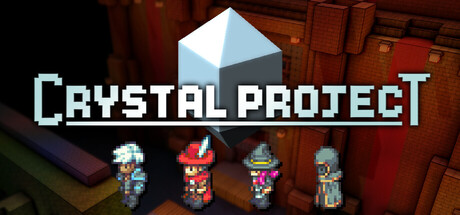
Excellent open-world design: Players appreciate the vast, seamless open world that is fully explorable and offers true freedom. The map design is impressive, with elevation and voxel-based environments that encourage curiosity and discovery.
JRPG mechanics reminiscent of Final Fantasy: The game is praised for its old-school JRPG feel, particularly the job system that mirrors Final Fantasy V, allowing deep class customization. Combat is turn-based and innovative, with transparent enemy info that adds strategic depth.
Platforming enhances exploration: Platforming is fun and well-integrated into exploration, adding a smooth and rewarding dimension to traversal. The controls feel generous, and the puzzles are enjoyable, making the overall adventure more immersive.
Common complaints
Platforming frustrating and tedious: A significant number of reviews criticize the platforming sections as tedious, difficult, and frustrating. The camera angles and isometric perspective make jumps awkward and unintuitive.
Story is barely present: Many reviewers state that the game has minimal or no narrative, which is a major drawback for those seeking a story-driven experience. The writing is often described as nonexistent or basic.
Lack of guidance and direction: Many reviewers note that the game provides little in the way of guidance, leading to aimless wandering and frustration. The absence of useful NPC hints or a clear direction makes progression unclear.
Fast travel is restrictive: Players complain that fast travel options are highly limited, requiring long journeys and exacerbating backtracking. The lack of fast travel makes exploration tedious.
Level cap too low: Reviewers mention that the level 60 cap is too low for endgame content, as enemies can reach level 99 and require specific parties. This prevents grinding as a viable strategy.
Gameplay and performance
Open world exploration focus: Many reviews highlight the game's open world and emphasis on exploration, discovery, and secrets, often with minimal story. The game is non-linear and from the start allows free exploration.
Platforming is core element: A large cluster states that platforming is a major part of the game, including jumping, precision platforming, and parkour. It is central to traversal and exploration.
Turn-based combat transparency: The game features turn-based combat where all enemy actions, turn order, stats, and damage values are visible to the player. This allows for strategic planning and informed decisions.
JRPG with job system: The game is described as a JRPG with a job or class system inspired by classic Final Fantasy games, especially FFV. Players can mix and match jobs and abilities.
Difficulty options available: Multiple reviews mention that the game offers difficulty settings, including Easy, Normal, and Hard, with the Hard mode being particularly challenging. Players can adjust difficulty according to preference.
FPS capped at 60: Players note that the frame rate is locked at 60 FPS, which may disappoint those expecting higher refresh rates. This cap can affect the experience on high-refresh-rate monitors.
Game runs smoothly: Some players report that the game runs very smoothly, suggesting overall good performance and optimization. This positive feedback indicates that the gaming experience is fluid and enjoyable.
Recommendations
Recommended for JRPG fans: Many reviewers recommend the game to fans of JRPGs, especially those who enjoy classic Final Fantasy titles and job-system turn-based RPGs. The recommendations highlight the game's appeal to both old-school and modern JRPG enthusiasts.
Strong general recommendation: Many players gave the game an enthusiastic recommendation without specific conditions, encouraging others to give it a try. These endorsements are short but overwhelmingly positive.
Great for exploration lovers: The game is highly recommended for players who enjoy open-world exploration, platforming, and being rewarded for discovering secrets. Reviewers note that exploration is a key strength of the game.
Try demo first: Reviewers frequently suggest trying the demo before purchasing, especially for those unsure about the game. The demo is described as comprehensive and helpful for gauging interest, and it is also recommended for players on a budget.
Gameplay over story: Some reviewers note that the game focuses more on gameplay and exploration than on narrative. They recommend it to players who prioritize mechanics over story, while cautioning those who expect a strong narrative.
Buying context
Community fair range: $10.00 - $20.00.
Game completion: 100.0h.
Endgame: 60.0h.
Crystal Project initially frustrates with a dull tutorial, lack of direction, and steep difficulty, but becomes highly engaging once players overcome the early hurdles and discover its deep class system and rewarding exploration.
Reported time to anchor: 3h.
Friction: boring tutorial period; overwhelming first few hours; lack of direction; difficulty spike; tedious early exploration; slow start.
Unlock drivers: figuring out game systems; world opening up; learning job system; getting past tutorial area; discovering deep combat.
Player profiles
Exploration Voyager: Wandering the massive voxel world, platforming to reach unintended areas, avoiding combat when possible, and following curiosity without hand-holding. Motivation: Discovery and sense of wonder from uncovering hidden areas, secrets, and non-linear paths. Stance: buy.
Job System Strategist: Theorycrafting builds, mastering all classes, engaging with turn-based combat as a puzzle, min-maxing gear and skill combinations. Motivation: Deep tactical combat and class customization, enjoying building optimal party synergies and overcoming fights with clever mechanics rather than grinding. Stance: buy.
Completionist Grinder: Methodically exploring every corner, grinding LP and gold for mastery, engaging with optional minigames like quintar breeding, and following clues to find all chests. Motivation: Fully completing all content, achieving 100% achievements, maxing all classes, and filling journals. Stance: buy.
Extra review signals
External guides: The reviews indicate a strong reliance on external walkthroughs due to insufficient in-game guidance, particularly for understanding complex mechanics and progression direction. Some players appreciate the freedom for exploration.
Other review notes
Comparisons to Final Fantasy: The game is often compared to classic Final Fantasy titles, especially FF5, for its job system and old-school style. Some reviewers find it superior to those games.
Active modding community: The game supports mods and has a vibrant community creating custom content, including classes and overhauls. This extends the game's longevity and replayability.
Generous demo with carryover: A lengthy demo, about 8 hours, allows players to try the game before buying, and saves transfer to the full version. This is seen as a player-friendly approach.
Developed by a single developer: Reviewers frequently note that the game was created by one person, Andrew Willman. This is often mentioned with appreciation for the game's scope and quality.
Large content volume: The game offers a substantial amount of content, often exceeding 100 hours, including extensive endgame. This is a key selling point for players seeking value.