- Exceptional character depth and appeal
- Seamless gameplay and story integration
- Unique and appealing art style
- Engaging social deduction mechanics
- Repetitive dialogue and gameplay loops
- Opaque RPG mechanics undermine deduction
Emotions
What players like:
Common complaints:
Gameplay feedback:
Performance notes:
Recommendations:
Other player notes:
Similar games
Blend with other games 84%Raging Loop
 82%BURIED STARS
 78%Danganronpa 2: Goodbye Despair
 78%AI: The Somnium Files
 78%Return of the Obra Dinn
 78%Hate Plus
 78%Analogue: A Hate Story
 78%Long Live The Queen
 77%Hush Hush - Only Your Love Can Save Them
 77%Danganronpa: Trigger Happy Havoc
 77%WILL: A Wonderful World / WILL:美好世界
 77%fault - milestone one
Review evidence
Why players say this
Review evidence
Why players say this
What players like
Exceptional character depth and appeal: Players consistently praise the game's characters for their unique personalities, memorable designs, and strong development. The characters are described as likable, well-written, and integral to the gameplay experience, often serving as a primary motivator for progression.
Seamless gameplay and story integration: The game effectively blends gameplay mechanics with narrative elements, ensuring that character development, skill progression, and story moments feel cohesive and immersive. Players highlight the logical integration of character traits into gameplay and the satisfying progression system.
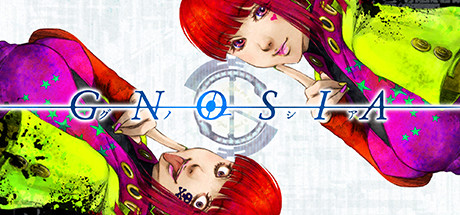
Unique and appealing art style: The game's visual identity, including its hand-drawn art style, colorful designs, and atmospheric aesthetics, is frequently highlighted as a standout feature. Players appreciate the creativity and distinctiveness of the art.
Engaging social deduction mechanics: The game's unique blend of social deduction, roguelike, and visual novel elements is highly praised. Players enjoy the strategic depth, character quirks, and the challenge of identifying lies or hidden roles, especially in a single-player format.
Satisfying true ending and meta content: The true ending is frequently mentioned as a rewarding and emotionally impactful conclusion that ties together the game's narrative threads. Players enjoy the meta elements and the satisfaction of uncovering the full story.
Common complaints
Repetitive dialogue and gameplay loops: Dialogue and events become stale due to excessive repetition, with unskippable text and limited variety in interactions. This tedium is exacerbated by forced loops and lack of narrative progression.
Opaque RPG mechanics undermine deduction: The game's hidden stats and numerical RPG mechanics conflict with traditional social deduction gameplay, making role identification frustrating and unintuitive. Players report feeling misled by NPCs and forced into grinding rather than logical deduction.
Early-game difficulty due to low stats: Starting with weak skills and attributes makes early gameplay feel punishing, with players often stuck in repetitive cycles (e.g., 'sitting in jail') until stats improve.
Poor save system limits exploration: Limited save slots, lack of cloud saves, and an unforgiving auto-save system restrict player freedom, forcing restarts and causing data loss.
Unclear victory conditions alter gameplay: Victory conditions favor survival over teamwork, deviating from traditional werewolf mechanics. Hidden rules and forced outcomes frustrate players seeking logical progression.
Gameplay and performance
Single-player Werewolf/Mafia core: The game is primarily a solo adaptation of Werewolf/Mafia-style social deduction mechanics, featuring AI-driven opponents and turn-based gameplay. Players engage in deduction, discussion, and voting to uncover hidden roles.
Grind and trial-and-error progression: Progression requires grinding for experience points, unlocking entries through trial and error, and strategically allocating stats to overcome challenges or unlock story elements.
Sci-fi Werewolf with unique roles: The game blends Werewolf/Mafia mechanics with sci-fi themes, introducing roles like 'Gnosia' (werewolf), 'Engineer' (seer), and 'Guardian Angel,' alongside space-themed settings and narrative twists.
Character-driven roles and behaviors: Characters have unique abilities, stats (e.g., intuition, charisma), and personalities that influence gameplay dynamics. Players must learn and exploit these traits to succeed in social deduction.
Numerical RPG mechanics: Progression involves leveling up stats (e.g., persuasion, lie detection) and unlocking skills through experience points. These numerical attributes directly impact voting, interactions, and gameplay outcomes.
Cloud saves missing: Players report the absence of cloud saves, risking progress loss, and criticize limited save slots. This affects long-term engagement and convenience.
Save file deletion risks: Accidental save deletions occur when alt-tabbing or running the game in the background, frustrating players who lose progress unexpectedly.
Restart-dependent bugs: Certain features (e.g., gallery, respec) only work after restarting the game, disrupting gameplay flow and immersion.
Soft-lock during name-setting: A soft-lock bug occurs when setting character names, preventing players from progressing until the issue is resolved.
Steam Deck resolution issues: Players encounter resolution limitations on Steam Deck, impacting visual clarity and usability on handheld devices.
Recommendations
Ideal for social deduction fans: The game is highly recommended for players who enjoy werewolf/mafia-style social deduction, narrative-driven experiences, and unique genre blends. It caters to both beginners and veterans of the genre with its accessible yet deep mechanics.
Solo-friendly with caveats: The game is tailored for solo players, particularly those who enjoy single-player social deduction or visual novels. However, it may disappoint those seeking traditional multiplayer werewolf mechanics or pure logic-based gameplay.
Strong visual novel appeal: Fans of visual novels, especially those with time-loop or mystery elements (e.g., *Steins;Gate*, *Danganronpa*), will find this game a standout experience. Its character-driven storytelling and emotional depth are frequently praised.
Value for money: The game is frequently recommended for purchase, particularly during sales, due to its content depth and replayability. Even at full price, it is considered worthwhile for fans of the genre.
Anime adaptation synergy: While the game stands alone, its anime adaptation enhances the experience for some players. Fans of the anime are encouraged to play the game first for deeper immersion, though the anime can serve as a gateway for those unsure about the gameplay.
Other review notes
Anime adaptation announced: Players frequently mention the upcoming anime adaptation, particularly its announcement and scheduled release in October. This indicates high anticipation and community engagement with the franchise's expansion.
Comparisons to similar games: The game is often compared to titles like 'Raging Loop', 'Zero Escape', and '999', highlighting its narrative-driven, Werewolf-style gameplay mechanics. These references help contextualize its genre and appeal.
Spoiler-sensitive gameplay details: Key gameplay elements, such as affinity cultivation and the true ending's emotional impact, are frequently discussed under spoiler tags. This indicates their importance to the player experience.
Small team development: The game's creation by a small team (fewer than 10 members) is noted with surprise, reflecting admiration for the scope of the project given limited resources.
Romance system and gender critiques: Players critique the romance system and gender representation, suggesting areas for improvement in character dynamics and inclusivity. This feedback reflects player expectations for deeper narrative and design choices.