- Engaging RTS/4X hybrid gameplay
- Authentic Dune universe experience
- Steep learning curve for new players
- Lacks story and diverse content
- Shallow combat and unit variety
- Unbalanced AI and technical issues
Emotions
What players like:
Common complaints:
Gameplay feedback:
Performance notes:
Recommendations:
Other player notes:
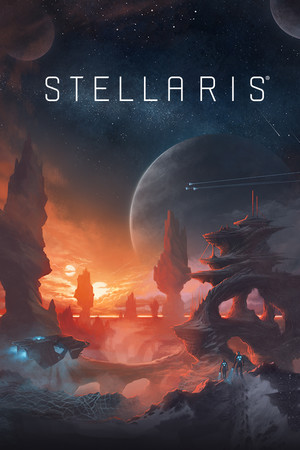
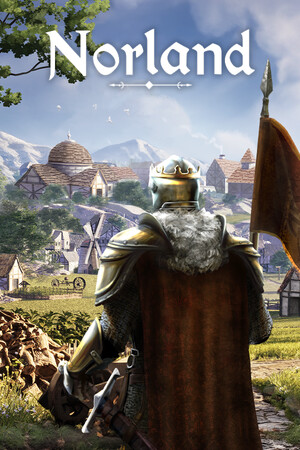
Similar games
Blend with other games







Review evidence
Why players say this
Review evidence
Why players say this
What players like
Engaging RTS/4X Hybrid: The game is widely praised for its unique and engaging blend of RTS and 4X mechanics, offering deep strategic gameplay and high replayability. Players find it enjoyable and addictive, especially in multiplayer, and appreciate its accessibility for newcomers to the genre.
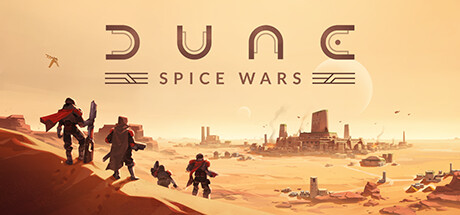
Authentic Dune Experience: The game is highly lauded for its faithful and immersive adaptation of the Dune universe. Reviewers consistently praise how well the game captures the atmosphere, lore, and political intrigue of Arrakis through its visuals, sound design, and integrated mechanics.
Engaging Conquest Mode: The campaign (Conquest) mode is a strong addition, providing varied missions and meta-progression that enhance replayability. It effectively mixes different aspects of the game, offering a coherent and engaging long-term experience.
Evolution from Northgard: The game is seen as a significant evolution from the developers' previous title, Northgard, building upon its core ideas while introducing more depth, variety, and improved diplomacy and trade mechanics. It is considered a more complex and interesting experience.
Distinctive Art Style: The game receives consistent praise for its distinctive and appealing art style, visuals, and overall aesthetic. The graphics are described as stylish, beautiful, and well-suited to the game's theme, contributing to an immersive experience.
Common complaints
Steep Learning Curve: The game is widely criticized for its steep learning curve and lack of comprehensive in-game tutorials. Players feel overwhelmed by complex, unexplained mechanics, leading to frustration and a significant time investment just to grasp the basics.
Lack of Story & Content: Many players are disappointed by the game's lack of a compelling story campaign, narrative depth, and overall content. The existing 'Conquest' mode is often described as repetitive skirmishes, failing to provide the engaging experience expected from a Dune-themed strategy game.
Shallow Combat & Units: Combat mechanics are frequently criticized for being shallow, unengaging, and lacking strategic depth. Players note a limited variety of units, similar unit types across factions, and underwhelming visual feedback during battles, making the RTS elements feel underdeveloped.
Technical Issues & Bugs: The game suffers from significant technical issues, including frequent crashes, infinite loading screens, and performance problems like lag and memory leaks. These bugs severely disrupt gameplay and contribute to a perception that the game is unfinished or abandoned by developers.
Not a True Dune RTS: Fans of the Dune franchise express disappointment that the game does not align with the traditional RTS style or atmosphere of classic Dune games like Dune 2 or Dune 2000. Many feel it's a reskin of Northgard rather than a true Dune experience.
Gameplay and performance
Hybrid RTS/4X Gameplay: The game is a real-time strategy (RTS) game that incorporates significant 4X elements, such as exploration, expansion, exploitation, and extermination. It offers multiple victory conditions beyond military conquest, including political, economic, and hegemony-based wins, making it a hybrid strategy experience.
Political & Espionage Systems: Political maneuvering and espionage are central to the game. Players engage with the Landsraad council through voting, influence, and agent operations to gain political power, hinder rivals, and achieve diplomatic victories, reflecting the political intrigue of the Dune universe.
Resource & Spice Management: The core gameplay revolves around managing various resources, with a particular emphasis on Spice. Players must balance production, trade, and imperial taxes on Spice, alongside other vital resources like water and energy, to fund their expansion and strategic operations.
Easy to Learn, Hard to Master: The game is easy to learn the basics but challenging to master due to its intricate mechanics and numerous interconnected systems. Players need time and practice to fully grasp the nuances of resource management, faction unique abilities, and strategic planning.
Diverse Factions & Playstyles: The game features multiple distinct factions, each with unique playstyles, units, and strategic advantages. For example, Atreides excels in politics and peaceful expansion, while Harkonnen focuses on aggression, providing varied gameplay experiences.
Stable performance for Early Access: The game generally runs well and is stable for an Early Access title, with many players reporting minimal bugs, crashes, or performance issues even on older or mid-range hardware. This indicates a solid technical foundation for its current development stage.
Occasional FPS drops: While many report stable 60 FPS, some users experience unexplained and occasional FPS drops, though these are generally brief. This suggests minor inconsistencies in frame rate performance.
OpenGL/DirectX mode impact: The game uses the Unity Engine and offers both DirectX and OpenGL modes. Some players found OpenGL provided smoother performance or resolved memory leak issues, indicating that driver choice can impact stability.
Critical display bugs: Players report critical bugs such as a blue screen crash requiring a Task Manager shutdown and screen flashing issues on high refresh rate monitors. These bugs severely disrupt gameplay and can lead to lost progress.
Needs late-game optimization: Some players note that while overall performance is decent, the game could benefit from further optimization, particularly in the late game where performance tends to degrade.
Recommendations
Mixed Reception & Value: Overall sentiment regarding the game's value and enjoyment is mixed, with many recommending it, but a significant portion expressing disappointment or advising against purchase. Some players found it enjoyable for specific scenarios or as a time-killer, while others regretted their purchase and sought refunds.
Genre & Dune Fan Appeal: The game is highly recommended for fans of the Dune universe and specific strategy subgenres like RTS, 4X, or a blend of both. However, it's noted that players expecting a fast-paced RTS or a direct successor to older Dune games might be disappointed.
Buy On Sale: Many reviewers suggest purchasing the game only when it's on sale, indicating that its full price might be considered too high or that its current state doesn't justify the cost. This implies a perceived value issue at full price.
Multiplayer Experience: The game is highly recommended for multiplayer, especially when playing with friends. This suggests that the social aspect significantly enhances the game's enjoyment and replayability.
Ineffective Tutorial: Reviewers suggest skipping the tutorial and learning the game through direct play, particularly by experimenting with a single faction on a large map. This indicates the tutorial might be ineffective or incomplete.
Other review notes
Desire for More Content: Many players express a desire for more content, including additional factions, a full campaign mode, and multiplayer expansions. The game is still in Early Access, and players anticipate future updates to enhance the experience and address missing features.
Focus on Politics & Macro: The game's focus on espionage, politics, and macro-level strategy is a key aspect of its gameplay. This appeals to players who enjoy complex strategic decision-making over direct combat.
Emergent Storytelling: The game emphasizes emergent storytelling through strategic choices and diplomacy, allowing players to create their own narratives. The game's elements are well-integrated with the Dune lore, providing context and depth.