Warhammer 40,000: Dawn of War II - Anniversary Edition Review Summary
- Authentic Warhammer 40K experience
- Squad-based tactical combat focus
- Major gameplay shift from RTS
- Poor AI and pathfinding issues
- Repetitive and boring gameplay
- Game fails to launch for some
Emotions
What players like:
Common complaints:
Gameplay feedback:
Performance notes:
Recommendations:
Other player notes:
Similar games
Blend with other games 90%Warhammer 40,000: Dawn of War - Anniversary Edition
 88%Warhammer 40,000: Dawn of War III
 86%Warhammer Age of Sigmar: Realms of Ruin
 83%Warhammer 40,000: Rogue Trader
 83%Warhammer 40,000: Dawn of War - Definitive Edition
 82%Tempest Rising
 82%Warhammer 40,000: Chaos Gate - Daemonhunters
 82%ZeroSpace
 82%Liquidation
 82%Five Nations
 82%Command & Conquer™ Red Alert™ 3
 81%The Scouring
Review evidence
Why players say this
Review evidence
Why players say this
What players like
Authentic Warhammer 40K Experience: Players consistently praise the game for its exceptional portrayal of the Warhammer 40,000 universe, highlighting its faithfulness to the lore, atmospheric depth, and overall immersive experience. Many consider it one of the best Warhammer 40K games and a strong entry point for new fans.
Timeless Quality & Longevity: Despite its age, the game is frequently lauded for its enduring quality, with many players noting that it has aged remarkably well in terms of graphics, gameplay, and overall enjoyment. It's often described as a timeless classic that remains highly playable and fun years after its release.
Engaging Campaigns & Co-op: The single-player and cooperative campaigns are highly praised for their engaging narratives, compelling characters, and excellent voice acting. The co-op option significantly enhances replayability and overall enjoyment, making the story mode a standout feature.
High Replayability & Last Stand: The game offers substantial replayability, particularly through its compelling campaigns and the popular 'Last Stand' co-op horde mode. Many players return to the game repeatedly, citing its addictive nature and the hours of content it provides.
Impressive Visuals & Audio: The game's visuals and audio are consistently praised for their quality, especially considering its release year. Players highlight the impressive graphics, detailed unit models, atmospheric effects, and strong voice acting that contribute to an immersive experience.
Common complaints
Major gameplay shift from RTS: A significant number of players, especially fans of the first game, were disappointed by the drastic shift in gameplay mechanics. The removal of traditional RTS elements like base building and large-scale army management, in favor of a squad-based tactical RPG style, was a major point of contention.
Poor AI and pathfinding: Players frequently reported issues with the game's AI, particularly poor pathfinding for units, which often led to frustration and mission failures. This, combined with a clunky UI and controls, negatively impacted the gameplay experience.
Repetitive and boring gameplay: Many players found the game to be boring, repetitive, and tedious, especially towards the end. This sentiment is often linked to the game's high price point, leading to a perception of poor value.
Unbalanced difficulty/bosses: The game's difficulty scaling, especially on higher settings, is criticized for relying on making enemies and bosses into 'bullet sponges' with excessively high health and damage. This leads to tedious and frustrating combat encounters rather than strategic challenges.
Game fails to launch/run: A critical issue for many players is the game's inability to launch or run properly on modern systems, particularly Windows 10/11 and high core count CPUs. This is exacerbated by frequent crashes, freezes, and a lack of official support or updates for compatibility.
Gameplay and performance
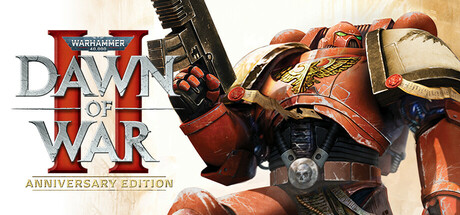
Squad-based tactical combat: The game significantly departs from traditional RTS mechanics, focusing on small-scale, tactical squad combat rather than base building, resource management, or large armies. It emphasizes micro-management of a few elite units, similar to games like Company of Heroes or XCOM.
Robust RPG progression: The game incorporates strong RPG elements, allowing players to level up their squads and heroes, customize their gear (weapons, armor, abilities) through loot drops and skill trees, and tailor their playstyle for different missions.
Diverse Warhammer 40K factions: Set in the Warhammer 40,000 universe, the game features four main playable factions: Space Marines, Orks, Eldar, and Tyranids. Each faction has unique commanders and abilities, with the single-player campaign primarily focusing on the Space Marines.
Engaging co-op campaign: The game offers an engaging single-player campaign, primarily played as the Blood Ravens Space Marine chapter. It features a linear plot with some choices, light RPG elements, and co-op playability, providing a decent playtime.
Challenging difficulty curve: The game offers varying difficulty levels, being easy to learn but challenging to master. Its complex mechanics and demanding gameplay contribute to its replayability, especially on higher settings.
Acceptable graphics quality: Players generally find the graphics to be good or at least acceptable. This indicates that the visual quality of the game is not a major point of contention.
Good performance on some systems: Some players report that the game runs well on modern hardware and Windows 10, and that it has low PC requirements. It also works flawlessly on specific Linux distributions with certain drivers, suggesting that performance can be good under optimal conditions.
Complex hotkey customization: Players need to manually edit the `_keydefaults` file, located in a specific directory, to customize hotkeys. This process involves opening the file with Notepad, translating it, and removing a prefix after editing, which is a cumbersome workaround.
Unresponsive key workaround: A specific workaround is required to fix unresponsive keys: players must switch their language settings to a US keyboard layout. This indicates a regional input issue.
RelicLink account required: Players are required to register a RelicLink Account to access multiplayer features and achievements. This adds an extra step for players wanting to engage with these aspects of the game.
Recommendations
Highly Recommended for Fans: Many players highly recommend the game, especially for fans of the Warhammer 40K universe and RTS games, particularly those who enjoy the Company of Heroes style. It's often suggested as a must-play for these audiences.
Buy Only On Sale: A significant number of reviews suggest purchasing the game only when it's on sale, or at a heavily discounted price. Some advise against paying full price, indicating that its value is primarily found in sales.
Divisive Sequel Experience: There's a clear division among players regarding Dawn of War II's place in the franchise. Many fans of the original Dawn of War advise against it, while others praise it as a unique and worthwhile entry, especially for its focus on smaller unit control.
Retribution Recommended for Multiplayer: For multiplayer or a more complete experience, players are often advised to get the Retribution expansion instead of or in addition to the base game. The Anniversary Edition is noted to be similar to the original DoW 2 collection.
Inconsistent Review Scores: Review scores are highly inconsistent, ranging from 3/10 to 10/10, indicating a very subjective reception. Some negative reviews are specifically aimed at lowering the overall rating, suggesting a potential review-bombing element.
Other review notes
Preference for original Dawn of War: Many players express a strong preference for the original Dawn of War game, viewing this title as a significant departure. There's a recurring desire for future installments or remakes to return to the roots of the first game or to be more faithful to the series' legacy.
Language and input method issues: Several users reported issues with language settings, particularly Traditional Chinese and other input methods, causing game crashes, unresponsiveness, or UI problems. Solutions often involve changing language settings or disabling specific input methods.
Value and bundled content: Players often acquired the game or its Anniversary Edition through sales or as free upgrades for previous owners. The pricing and bundled content, like Chaos Rising, are noted as positive aspects.
Inaccurate playtime tracking: Some players noted discrepancies in Steam's playtime tracking or achievement statistics, suggesting potential issues with how the platform records game activity. This can be due to account issues or technical glitches.
Negative view of Dawn of War 3: There's a strong negative sentiment towards Dawn of War 3, with many players considering it the end of the series. Some even refunded it, indicating a significant disappointment with that particular installment.