- Outstanding co-op gameplay experience with charm
- Creative skill and build variety in ARPG
- Humor and lighthearted storytelling engage players
- Repetitive and monotonous gameplay frustrates
- Excessive grinding required for progression
- Frustrating quest design impacts enjoyment
Emotions
What players like:
Common complaints:
Gameplay feedback:
Performance notes:
Recommendations:
Other player notes:
Similar games
Blend with other games






Review evidence
Why players say this
Review evidence
Why players say this
What players like
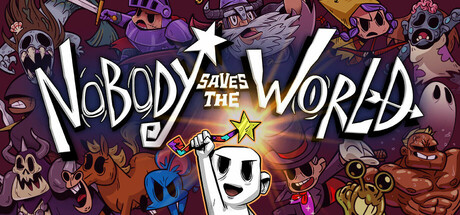
Charming art style and soundtrack: The game’s bright, hand-drawn art style and whimsical soundtrack are frequently praised for their charm and cohesion. The visuals and music enhance the game’s humorous and lighthearted tone.
Outstanding co-op gameplay experience: The game is highly praised for its seamless and enjoyable cooperative gameplay, both locally and online. Players frequently highlight the fun and engaging experience of playing with a friend, which enhances progression and reduces frustration.
Humor and lighthearted storytelling: The game’s humorous dialogue, absurd character interactions, and lighthearted story are well-received. Players appreciate the comedic tone, which fits well with the gameplay and art style.
Engaging ARPG gameplay with a twist: The game offers a unique action RPG experience with a well-crafted combat system, dungeon crawling, and a form-shifting mechanic that replaces traditional equipment grinding. Players enjoy the blend of ARPG and roguelike elements.
Creative skill and build variety: The game encourages experimentation with endless skill combinations and build possibilities. Players appreciate the ability to mix and match abilities from different forms, creating unique and strategic setups.
Common complaints
Repetitive and monotonous gameplay: Core gameplay, including dungeons, quests, and combat, is described as repetitive and lacking variety. Players grow bored quickly due to the lack of depth and meaningful changes in tasks.
Excessive grinding for progression: Players consistently report that unlocking achievements, character ranks, and abilities requires tedious grinding. This makes progression feel like a chore, especially in mid-to-late game.
Frustrating quest design: Quests are overly repetitive, require excessive travel, or have strict completion conditions. Many feel like a burden, particularly after reaching the max level.
Unintuitive and uncomfortable controls: Controls, particularly for keyboard/mouse and form-switching, are criticized for being clunky, unresponsive, or poorly designed. Rebinding keys often fails to resolve these issues.
DLC lacks value and feels paywalled: The DLC is criticized for adding minimal content (e.g., new characters and challenges) while requiring additional purchases. Players feel it should have been included in the base game or offers poor value for its price.
Gameplay and performance
Deep transformation mechanics: The game features a robust transformation system allowing players to switch between multiple forms, each with unique abilities for combat and exploration. This mechanic is central to gameplay, enabling diverse playstyles and strategic depth.
Unique character forms: Players can transform into 12+ distinct forms (e.g., rat, mage, bodybuilder), each with active/passive skills and customizable abilities. This variety supports diverse combat and puzzle-solving approaches.
Skill and ability combinations: Players can mix and match abilities from different forms or characters, creating custom builds with synergistic effects. This system encourages experimentation and replayability through varied skill combinations.
Quest-driven progression system: Progression is tied to quests, form challenges, and skill usage rather than traditional XP grinding. This system unlocks new forms, abilities, and character tiers (F-S), adding structure to player advancement.
Diverse dungeons and side quests: Dungeons vary in design, difficulty, and mechanics, often requiring strategic form selection. Side quests offer additional challenges, rewards, and exploration opportunities in a semi-open world.
Optimized for low-end hardware: The game is praised for its low system requirements and smooth performance on older or low-tier machines, including compatibility with modest GPUs like the GTX 980. This makes it accessible to a broader audience.
Game crashes and instability: Frequent crashes occur after launch, during extended sessions, or idle periods, disrupting gameplay. Some players also report crashes during cutscenes in multiplayer.
Controller support problems: Players report frequent controller issues, including bugs in solo and co-op modes, requiring reboots to resolve. These issues disrupt gameplay and affect user experience.
Multiplayer lag and disconnections: Multiplayer sessions suffer from lag, high ping, and disconnections, leading to save rollbacks and an unstable online experience. This affects cooperative and competitive play.
Stable single-player experience: Many players encountered no bugs or loading issues during their playthroughs, indicating a generally stable single-player experience with minimal technical problems.
Recommendations
Ideal for ARPG and genre fans: The game is frequently recommended for fans of action RPGs, 2D side-scrollers, and unique class/job systems. Its humor, art style, and gameplay mechanics appeal strongly to niche audiences seeking fresh experiences.
Strong co-op multiplayer recommendation: The game is highly recommended for local or couch co-op play, especially with friends or a partner. Players emphasize the enhanced experience when played in duo, making it ideal for casual or social gaming sessions.
Best purchased on sale: Many reviewers suggest waiting for a discount before buying, citing value concerns at full price. Sales or bundled deals (e.g., with DLC) are recommended for better cost-effectiveness.
Mixed late-game solo experience: While the game is fun in co-op or early solo play, some reviewers note that the late-game solo experience becomes less engaging. Multiplayer is often cited as the preferred way to enjoy it fully.
Skip co-op and DLC for some: A subset of players recommends avoiding multiplayer or DLC due to implementation flaws or lack of value, suggesting the base game is sufficient for solo play.
Other review notes
Co-op save file sharing: Players frequently ask for clear instructions on locating and sharing save files for co-op gameplay. This is essential for seamless multiplayer experiences.
Small game size compatibility: The game’s small file size is highlighted as a benefit, allowing it to run on older or limited-storage hardware without issues.
Early access testing phase: Some reviews mention the game being in an early testing phase, which may explain bugs or unfinished features.
Cross-platform play mentions: Some players mention switching from Xbox 360 to PC, indicating interest in cross-platform compatibility or performance comparisons.
Average playtime feedback: Players provide general feedback on the game’s length, though details are vague and not actionable for improvements.