- Relatable burnout themes and emotional story.
- Excellent, atmospheric soundtrack by C418.
- Relaxing tea-making gameplay loop.
- Generally recommended as thought-provoking experience.
- Repetitive and tedious gameplay.
- Technical issues and poor controls.
What players like:
Common complaints:
Gameplay feedback:
Performance notes:
Recommendations:
Other player notes:
Similar games
Blend with other games









Review evidence
Why players say this
Review evidence
Why players say this
What players like
Relatable themes of burnout: The game explores themes of burnout, self-care, and mental health in a relatable and impactful way. Players connect with the protagonist's struggles and find the game emotionally resonant, offering insights and encouraging self-reflection. The game's narrative and characters create a sense of understanding and validation.
Excellent, atmospheric soundtrack (C418): The game's soundtrack, composed by C418, is widely praised for its quality and contribution to the overall atmosphere. Reviewers describe the music as soothing, relaxing, and perfectly complementing the game's visuals and themes. The music enhances the emotional impact and creates a peaceful experience.
Compelling and emotionally satisfying story: The game features a compelling and emotionally satisfying story with surprising twists and turns. The narrative is well-written and impactful, addressing deep themes without excessive drama. Reviewers appreciate the game's ability to evoke strong emotions and create a memorable experience.
Relaxing tea-making gameplay loop: The tea-making and shop management mechanics are enjoyable and relaxing, allowing players to progress at their own pace. The game offers freedom to explore and engage in various activities, with new mechanics introduced to prevent repetitiveness. The core gameplay loop is satisfying and not overly complex.
High-quality, worthwhile experience: Reviewers express overall satisfaction with the game, considering it a worthwhile purchase and a high-quality experience. The game is praised for its interesting concept, beautiful design, and the care and love put into its development. Some reviewers consider it to be one of the best games they have played recently.
Common complaints
Repetitive, tedious, and boring gameplay: The game's core loop becomes repetitive and tedious, failing to deliver on its promise of relaxation or engagement. The narrative and gameplay lack depth, leading to boredom and a sense of burnout, which ironically clashes with the game's intended themes.
Technical issues and poor controls: The game suffers from technical issues, including crashes, poor controls (especially on PC), and a lack of polish. These issues create friction and detract from the overall experience, making actions feel unnatural and frustrating.
Mismatched expectations and misrepresentation: The game is not what players expect based on its marketing and genre tags, leading to disappointment. It's not a traditional farming sim or a deep narrative experience like the developer's previous works, resulting in mismatched expectations.
Story and characters are unengaging: The game's story and characters lack depth and meaningful choices, resulting in a linear and unengaging narrative. Player choices have little impact, and side characters fail to contribute to the main character's development.
Pointless chores and progress resets: The game features repetitive chores and a lack of permanent progress, making collection and decoration feel pointless. The constant resetting of progress and the endless cycle of tasks create frustration and a sense of being overwhelmed.
Gameplay and performance
Tea shop management and narrative: The core gameplay loop centers around tea shop management, including gardening, fulfilling customer requests, and interacting with characters. The farming aspect is present but not overly emphasized, serving more as a means to progress the narrative and solve mini-puzzles rather than a deep management simulation. The game prioritizes character interactions and story over complex farming mechanics.
Intricate tea-making process: Tea-making is a central mechanic, described as intricate and time-consuming by some, while others find it easy and not boring. The process involves gathering ingredients, following instructions, and fulfilling customer orders, but lacks mechanics for improvement. The game provides assistance with tea-making through an in-game book.
Exploration of personal growth: The game explores themes of personal growth, healing, and letting go of control through the character of Alta. The psychological aspect unfolds gradually as the story progresses, focusing on her journey rather than typical tycoon or simulation gameplay.
Simple, serviceable gameplay: The game's elements and core premise are simple, with serviceable but not incredible gameplay. The mechanics and style are appealing, but may not draw players back after completion.
Various activities and interactions: The game includes activities such as decorating a clearing, sweeping leaves for items, playing with Pluffins, and trimming hedges.
Good performance across various platforms: The game is generally well-optimized and runs smoothly across a variety of hardware, including Steam Deck, ROG Ally, and PCs with both high-end and less powerful GPUs. Reviewers specifically noted the absence of significant bugs or crashes and good performance on Linux-based systems. This indicates a stable and accessible experience for a wide range of players.
Frame pacing and blurriness issues: While the game generally runs well, some players have reported experiencing frame pacing issues and noticing the inherent blurriness associated with the Unreal Engine. These issues detract from the overall smoothness and visual clarity of the game, potentially impacting the player experience.
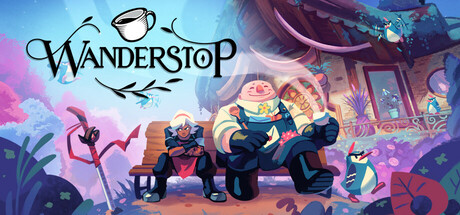
Charming and detailed art style: The game features a cute and colorful art style with magical elements, and the teashop is full of creative details. This contributes to a positive and engaging visual experience for players.
Recommendations
Generally recommended; relaxing, thought-provoking: Many reviewers recommend the game, citing its relaxing gameplay, thought-provoking narrative, and emotional impact. Some suggest it's best suited for those who enjoy narrative-driven experiences, cozy games, or are seeking introspection and healing. However, some reviews indicate that the game may not appeal to everyone.
Not recommended; unpolished, buggy: Some reviewers actively discourage purchasing the game, citing issues such as a lack of polish, bugs, frustrating controls, or repetitive gameplay. These reviewers suggest that the game fails to deliver on its promise or is not worth the full price, even for fans of art or idle games.
Hyperbolic praise (potentially review-bombing): Some reviewers express extreme positive sentiment, calling the game a "masterpiece" or "game of the year" and rating it 10/10. However, these claims lack specific details and may be hyperbolic.
Praise for Davey Wreden/Ivy Road: Reviewers praise Davey Wreden's return to narrative writing and express excitement for future projects from Ivy Road. They believe the game showcases the studio's potential and delivers a high-quality narrative experience.
Good for story, tea-serving fans: The game is recommended for players who enjoy the graphics and gameplay loop of fulfilling tea orders, similar to Coffee Talk. However, players should come to experience the story crafted by Ivy Road, not to sink 100+ hours into managing a tea shop.
Other review notes
Incomplete stories mirror real life: The game intentionally presents incomplete character stories, mirroring real life where closure isn't always guaranteed, especially with strangers. Each customer is a visitor with a story that players will only partially experience.
Explores mental health themes subtly: The game delves into deep themes like OCD, perfectionism, and PTSD without being overly didactic. It offers a perspective shift for the main character, Alta, without necessarily providing a complete 'fix,' adding nuance to the narrative.
Dialogue important for world-building: The game features a significant amount of dialogue that serves to build the world and develop the characters. This dialogue is important for understanding the narrative and the relationships within the game.
Soundtrack composed by Daniel (C418): The reviewer was drawn to Wanderstop primarily because of its soundtrack, composed by Daniel (C418). This highlights the importance of the game's music in attracting players and enhancing the overall experience.
Inconsistent fantasy atmosphere: The game's atmosphere is a mix of typical fantasy elements with some unusual characters and sounds, creating a slightly confusing blend. This inconsistency in the overall aesthetic may detract from the player's immersion.