- Endearing character development and relatable story.
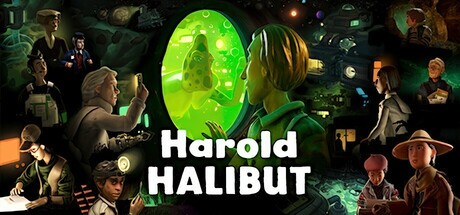
- Unique and stunning claymation art style.
- Relaxing, enjoyable, and unique overall experience.
- Slow pace and tedious backtracking.
- Lacks engaging gameplay elements.
- Frequent bugs and glitches.
What players like:
Common complaints:
Gameplay feedback:
Performance notes:
Recommendations:
Other player notes:
Similar games
Blend with other games






Review evidence
Why players say this
Review evidence
Why players say this
What players like
Endearing, relatable character development: The game features endearing and relatable characters, especially the protagonist Harold, who undergoes significant development. Players connect with the characters on an emotional level, appreciating their unique personalities, backstories, and interactions. Many reviewers expressed a strong attachment to Harold and other characters, highlighting the game's success in creating memorable and impactful relationships.
Unique, stunning claymation art style: The game boasts a unique and visually stunning art style, often described as claymation or stop-motion animation. Reviewers consistently praise the handcrafted aesthetic, attention to detail, and immersive environments. The game's visuals are a major draw, creating a charming and memorable experience.
Relaxing, enjoyable, unique experience: The game provides a relaxing and enjoyable experience, offering a break from more stressful or challenging games. Reviewers appreciate the game's unique qualities, creative design, and overall polish. The game's ability to create a lasting impression and evoke a sense of wonder is also frequently mentioned.
Captivating, emotionally resonant story: The game features a captivating and emotionally resonant story that explores themes of self-discovery, connection, and purpose. Reviewers appreciate the well-crafted narrative, surprising plot twists, and thought-provoking dialogue. The story's ability to evoke a range of emotions, from laughter to tears, contributes to a deeply engaging experience.
Excellent, atmospheric music and sound: The game features excellent music and sound design that complements the visuals and enhances the overall atmosphere. Reviewers describe the soundtrack as weird, haunting, beautiful, and perfectly fitting the game's tone. The audio elements contribute significantly to the immersive and emotional experience.
Common complaints
Slow pace, tedious backtracking: Many reviewers found the game's pacing to be slow and tedious due to excessive backtracking, fetch quests, and drawn-out dialogues. This made the game feel longer than necessary and negatively impacted player engagement, with some comparing it to a 'walking simulator'.
Lacks engaging gameplay elements: Reviewers frequently criticized the game for lacking substantial gameplay and challenge, describing it as simple and repetitive. The core gameplay loop often involves basic movement and interactions, with minimal puzzle-solving or meaningful player agency.
Frequent bugs and glitches: Several reviewers reported encountering bugs, glitches, and technical issues that hindered their experience. These included game crashes, clipping issues, and problems with character movement or interactions, sometimes making the game unplayable.
Unappealing visual presentation: Some reviewers found the game's visuals unappealing due to issues like excessive depth of field, artifacting in cutscenes, and clipping problems. These visual flaws detracted from the overall presentation and immersion.
Weak story and dialogue: The game's story and dialogue were criticized for being uninteresting, poorly written, and excessively long. Reviewers noted issues such as predictable plot twists, shallow characters, nonsensical conversations, and a lack of depth or impact.
Gameplay and performance
Limited interactivity, repetitive traversal: The game world is not very interactive, with limited environmental interaction and repetitive map traversal. Some reviewers found exploring the ship daily pointless as nothing new happens, and the transportation system becomes repetitive quickly.
Linear story, choices don't matter: The game features a linear narrative with dialogue choices that have minimal impact on the story's outcome. Some reviewers felt like they were watching an animated show rather than playing a game due to the non-impactful choices.
Playing as Harold, the handyman: The game follows Harold, a handyman on a spaceship, as he performs his duties and interacts with the environment. The narrative includes the All Water Corporation's secret projects and a mysterious message from Earth.
Simple, easy objectives: Objectives are simple and clearly listed, typically involving going to a location and talking to characters. The game is easy to understand and impossible to lose, removing any need for puzzle-solving.
Mini-games punctuate the narrative: The game includes mini-games like arcade simulations and a musical sequence for alien communication, serving to punctuate the narrative. These mini-games add variety to the gameplay experience.
Inconsistent performance across devices: The game's performance varies significantly. Some players report smooth gameplay on Steam Deck and Windows, while others experience stutters and frame drops, even on high-end PCs, particularly with Nvidia GPUs. This suggests optimization issues that need addressing.
Animation and visual anomalies: Some players have noticed animation issues and visual anomalies. While some smearing issues were resolved in the full game, animation 'jankiness' persists, potentially clashing with the intended visual style.
Demanding hardware requirements: The game's clay-based 3D models and lighting effects contribute to demanding hardware requirements. Some users report the game pushing their GPUs to maximum capacity, even on relatively powerful systems.
Cutscene glitches and loading stalls: A few players encountered specific glitches during cutscenes, such as pixelization or loading stalls. These issues, while not widespread, can disrupt the narrative flow and require workarounds like restarting the game.
Conversation and sprint issues: Some players have reported issues with conversation speed and sprint functionality, particularly in the later parts of the game. These control and pacing issues can negatively impact the player experience.
Recommendations
Unique art, story, chill vibe: The game is frequently recommended for its unique artistic style, compelling narrative, and relaxing, meditative atmosphere. Many suggest it's best suited for players who appreciate story-driven experiences and are willing to embrace a slower pace. Some reviewers highlight its emotional impact and memorable moments.
Immerse yourself in narrative: Some reviewers suggest that the game's story and characters are best appreciated by fully immersing oneself in the dialogue and world. They recommend patience and attention to detail to truly connect with the narrative. Some reviewers suggest that the story has value, but the gameplay is tedious.
Buy the game!: Some reviews consist of simple, direct recommendations to buy the game, sometimes with enthusiastic language. While positive, these lack specific details about the game's merits.
Support the developers: Some reviewers express excitement for future projects from the developer, praising their debut effort and encouraging players to support them. This sentiment reflects a positive outlook on the studio's potential and a desire to see more unique and bold games from them.
Game of the year!: Some reviewers make hyperbolic claims about the game's quality, such as calling it the best game of the year or giving it a perfect score. While these statements indicate strong enjoyment, they lack specific details and context.
Other review notes
Intriguing retro-futuristic water planet setting: The game is set in a retro-futuristic alternate Cold War era, aboard the spaceship Fedora, which crashes on an alien water planet after leaving Earth in 1970. Survivors establish an underwater ecosystem, coexisting with sea creatures, creating a unique and intriguing environment.
Slow-paced, 10-hour narrative: The game is a roughly 10-hour experience that takes its time establishing the story, setting, and characters. The countdown and larger story unfold independently of the gameplay.
Playable animated series: The game is described as more of a playable animated series or interactive movie/book. Some reviewers found the overall idea interesting, but the interest ended there.
Story about loss and self-discovery: The story revolves around themes of loss, self-discovery, and difficult decisions, prompting reflection on the meaning of life. It also involves a message from Earth, thought to be dying, which motivates the characters' actions.
Focus on narrative and characters: Reviewers express a deep emotional connection to the game, its story, and characters. The game acknowledges its focus on character interaction and narrative over traditional gameplay mechanics.