- Emotionally powerful story
- Excellent music and soundtrack
- Beautiful pixel art style
- Story less emotional than predecessors
- Minimal gameplay, mostly walking
- Frequent crashes reported
Emotions
Archetypes
What players like:
Common complaints:
Gameplay feedback:
Performance notes:
Recommendations:
Other player notes:
Similar games
Blend with other games





Review evidence
Why players say this
Review evidence
Why players say this
Steam review verdict
An emotionally powerful story with excellent music and beautiful pixel art, though less impactful than predecessors, minimal walking gameplay, and frequent crashes.
What players like
Emotionally powerful story: The game delivers a deeply emotional and heartfelt story that resonates with players, often described as touching, heartbreaking, and impactful, with a powerful emotional effect.
Excellent music and soundtrack: The music and soundtrack are highly acclaimed for their quality, emotional resonance, and perfect integration with the game's scenes, maintaining the series' high standard.
Impactful and satisfying ending: The ending is widely praised as spectacular, surprising, and emotionally satisfying, providing perfect closure to the trilogy and reframing the entire story.
Strong series connections: The game features meaningful connections, easter eggs, and clever continuity with previous titles, rewarding long-time fans and enhancing the narrative depth.
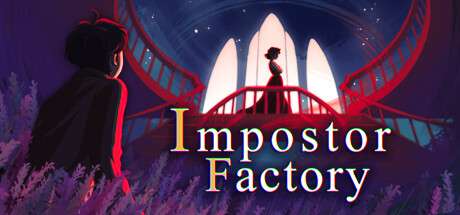
Beautiful pixel art style: The pixel art style is consistently praised for its beauty, emotional expressiveness, and ability to create a dreamlike atmosphere that enhances the game's narrative.
Common complaints
Story less emotional than predecessors: Many players feel the story lacks the emotional depth and impact of the first two games, To the Moon and Finding Paradise. The narrative is described as less touching, less surprising, and overall weaker than its predecessors.
Minimal gameplay, mostly walking: The game is criticized for having minimal gameplay, often described as a walking simulator or visual novel with no puzzles, minigames, or interactive elements. This is a significant departure from previous titles and disappoints players seeking more involved gameplay.
Pacing issues, slow and rushed: The pacing is criticized as slow and rushed, particularly in the second act, which feels linear and boring. This affects the overall enjoyment and narrative flow.
Complex story, unclear message: Some players find the story too complex and lacking a clear message, making it less impactful. Overall, the game leaves something to be desired and is considered a waste of time by some.
Short game length: The game is very short, under 4 hours, which some players feel is not worth the time or price. This brevity contributes to a sense of being rushed or incomplete.
Gameplay and performance
Prequel and trilogy conclusion: This game is a prequel to 'To the Moon' and the third chapter in the 'To the Moon Saga', serving as a direct predecessor and filling plot holes from previous titles.
Visual novel walking simulator: The game is a visual novel or walking simulator with minimal interactive gameplay, focusing on walking and dialogue with no puzzles or complex mechanics.
Low-pixel art style: The game uses a low-pixel art style reminiscent of RPG Maker, with 2D pixel graphics.
Linear no player choices: The game has a linear storyline with guided progression and no branching choices or puzzles.
No puzzles or combat: The game has no complex puzzles, combat, or choices, unlike previous games in the series.
Stable performance on various hardware: Multiple users report stable performance with no crashes or serious bugs. The game runs well on Steam Deck and low-end hardware, indicating broad compatibility.
Frequent crashes reported: Several users report frequent crashes, with one mentioning a translation script conflict as the cause. This suggests a recurring stability issue that needs attention.
Persistent screen flickering: A persistent screen flickering issue remains even after reinstalling and restarting the game, indicating a potential graphics or compatibility bug.
Jittery camera and blurry scaling: One user notes that camera movement is jittery with pixel art, and smooth scaling blurs the image. This indicates a visual quality concern specific to pixel art rendering.
40 FPS engine cap: The game is capped at 40 FPS due to an engine limitation, which may affect smoothness for some players.
Recommendations
Highly recommended overall: The game is highly recommended by many players, especially those who have enjoyed the earlier titles in the series. It is praised as a must-play for fans and receives high ratings, including 5-star and 10/10 scores.
Play previous games first: The majority of feedback emphasizes that playing 'To the Moon' and 'Finding Paradise' before 'Impostor Factory' is essential for understanding the story and characters. Players who have completed the previous games will have a richer experience and appreciate the narrative connections.
Good value for money: Many players find the game worth the purchase, describing it as worth every penny and a good value, especially when bought on sale. It is considered a worthwhile investment of time and money.
Not for gameplay seekers: Some feedback indicates that the game is not recommended for players seeking more involved gameplay or variety. A few even advise against buying it, even on discount, suggesting it may not appeal to those looking for interactive challenges.
Buying context
Community fair range: $5.00 - $8.00.
Game completion: 4.0h.
Story completion: 4.0h.
The game starts with slow, animation-heavy exploration that many find boring, but becomes emotionally engaging after the first hour when the story hooks.
Friction: boring fade-in/fade-out animations that take minutes; repetitive exploration of same locations; minimal gameplay with only dialogue and movement; slow pacing in early acts.
Unlock drivers: story revelations and emotional moments; plot twists and character backstory; reduced tedium as narrative progresses.
Player profiles
Lore-Devoted Series Veteran: Plays all games in order, explores spin-offs, seeks to uncover all lore and meta-narrative connections. Motivation: Completing the story arc and understanding the full narrative universe. Stance: buy.
Emotional Story Seeker: Passive, reads through dialogue, focuses on narrative and emotional beats; minimal interaction is acceptable. Motivation: Experiencing a compelling, emotional story that resonates personally. Stance: buy.
Gameplay-Focused Critic: Expects exploration, puzzles, or meaningful choices; feels bored by linear narrative with no interactivity. Motivation: Engaging gameplay mechanics alongside story. Stance: sale.
Other review notes
Minisode and future episode speculation: A player mentions minisode content and speculates about future episodes, showing engagement with the game's episodic structure and desire for more content.
Request for 16:9 update: A player wishes for a 16:9 aspect ratio update from Serenity Forge, indicating a desire for modern display compatibility.
Merchandise availability inquiry: A player is inquiring about the availability of Freebird Games merchandise after 2023, indicating ongoing interest in the brand's physical goods.
Population decline narrative comment: A player comments on the story's population decline due to characters having only one child per generation, but finds it acceptable, reflecting a nuanced view of the narrative's realism.