- Well-developed relatable characters
- Beautiful pixel art style
- Engaging minigames add variety
- Rhythm minigames too difficult
- Slow start to story
- Third act rushed confusing
Emotions
Archetypes
Hardware
What players like:
Common complaints:
Gameplay feedback:
Performance notes:
Recommendations:
Other player notes:
Similar games
Blend with other games


Review evidence
Why players say this
Review evidence
Why players say this
Steam review verdict
Charming pixel art and relatable characters shine, but a slow start, overly tough rhythm minigames, and a rushed confusing third act hold it back.
What players like
Well-developed relatable characters: Players consistently praise the characters for being realistic, charismatic, and deeply developed. Many reviewers felt a strong emotional connection and noted unique personalities and backstories.
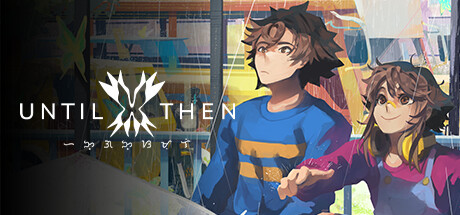
Beautiful pixel art style: The pixel art is frequently highlighted as stunning, detailed, and charming. The combination of 2D pixel characters with 3D environments is particularly praised for its unique and appealing visual style.
Strong Philippine cultural representation: Reviewers appreciate the natural and authentic depiction of Filipino culture and daily life. The representation feels genuine and well-researched, adding depth and uniqueness to the game.
Engaging minigames add variety: Minigames are seen as fun and well-integrated into the story, breaking up the visual novel format. They provide variety without becoming repetitive and enhance the overall experience.
Multiple endings and replay value: The game features multiple endings that encourage replaying, often described as feeling like a new game plus. Players find the alternative endings surprising and rewarding.
Common complaints
Rhythm minigames too difficult: Players find the rhythm minigames excessively hard, making 100% achievements extremely difficult. Even adjusting input delay does not reduce the frustration.
Slow start: The game begins very slowly, with the first handful of chapters or hours being boring and dragging.
Third act rushed and confusing: The third act's story is rushed, poorly told, and confusing, with unresolved foreshadowing. The second and third endings also feel overly drawn out.
Dissatisfying ending relationship choices: Many players dislike that the true ending shows Mark and Nicole dating other people or Mark ending up with Louise. They wanted Mark and Nicole together, and find the open-ended conclusion frustrating.
Cannot skip dialogue: There is no option to skip or quickly bypass dialogue, causing the game to drag during repetitive or long conversations.
Gameplay and performance
Predominantly a visual novel: The game is repeatedly described as a visual novel, often with interactive text messages, mini-games, and multiple choices. This is the core genre.
Three acts structure: The game is structured into three acts, providing a clear narrative progression.
Mini-games provide variety: Many reviewers highlight built-in mini-games such as carnival games, racing, a piano rhythm game, and everyday actions like tying buttons. These provide light interactive gameplay.
Pixel art with 3D elements: The art style uniquely combines 2D pixel art characters with 3D environments and dynamic lighting, creating a distinctive visual presentation.
Story-driven with dialogue choices: Players emphasize the strong narrative focus, with many dialogue choices that lead to different story branches and multiple endings.
Strong performance on low-end hardware: The game runs well on low-end PCs and Steam Deck, with no issues on native SteamOS/Linux. Some users report no lags or bugs.
Game-breaking bugs and crashes: Critical bugs can be fixed by switching to windowed mode and disabling overlays. Crashes, screen flickering, and black screen issues occur during loading screens and when changing graphics settings.
Steam Deck performance mixed: While some find it runs well on Steam Deck, others report specific issues. The experience is inconsistent.
Suboptimal performance on high settings: The game runs at 30-40 FPS on max settings, forcing players to medium settings. Some RTX 5090 users see black textures and shadows regardless of settings.
Graphics and fps issues in minigame: The piano minigame suffers from graphics and FPS drops. Low-resolution pixels may cause eye strain.
Recommendations
Universal Recommendation: Reviewers overwhelmingly recommend this game to all audiences, using phrases like 'highly recommended,' 'definitely recommend,' and 'worth every cent.' This sentiment spans multiple clusters and is the most common feedback.
Targeted at Story/Visual Novel Fans: Many reviewers specifically recommend the game to fans of story-rich games, visual novels, and emotional narratives. They highlight the game's strength in delivering a compelling, emotional story.
Strong Emotional Impact: The game is praised for delivering emotional punches and telling a beautiful, life-themed story that resonates deeply with players. Some call it an experience that stays with you.
Must-Play Life Experience: Several reviews frame the game as an essential, must-play experience that everyone should try at least once in their lifetime, emphasizing its transformative emotional impact.
Emotional and Life-Themed Game: Reviewers praise the emotional depth and life-themed narrative, with some explicitly recommending the game to those who appreciate beautiful, emotional stories. A few suggest having tissues ready.
Buying context
Community fair range: $10.00 - $20.00.
Game completion: 20.0h.
Story completion: 16.0h.
Session length: 5.0h.
The game starts very slowly with tedious walking and repetitive scenes, but becomes engaging after the first act or a major narrative turn, rewarding patient story-focused players.
Friction: extremely slow pacing in early hours; tedious walking and point-and-click interaction; repetitive sections across acts; dull dialogue and unnecessary filler; lack of player agency early on.
Unlock drivers: progressing past the first act; story intensity increase and reveals; emotional bond formation with characters; accepting the deliberately slow setup.
Player profiles
Emotionally Invested Story Seeker: Slow, immersive reading; takes time to absorb story and character development; often avoids rushing. Motivation: Emotional catharsis and meaningful story. Stance: buy.
Critical Narrative Analyzer: Analytical; pays close attention to foreshadowing and plot logic; may replay to verify theories. Motivation: Intellectual satisfaction from a well-constructed story. Stance: sale.
Minigame-Frustrated Perfectionist: Goal-oriented; attempts to complete all challenges and achievements; may replay for perfection. Motivation: Completion and achievement hunting, balanced with narrative enjoyment. Stance: deep sale.
Platform notes
Performance varies across hardware tiers. Low-VRAM systems can run the game with adjustments, while mid-range (8-11GB VRAM) and high-end (16GB+ VRAM) systems report significant performance issues and bugs. Steam Deck performance is generally acceptable.
Windows <8GB VRAM / <16GB RAM: positive. Most players found the game playable after lowering settings or updating drivers, with only minor issues.
Windows 8-11GB VRAM: negative. Players report unstable frame rates even on low settings and that high-end GPUs are maxed out at 4K, with overall poor performance.
Windows <8GB VRAM / 16-31GB RAM: positive. One player with modest hardware ran the game at max settings with only a couple of crashes.
Steam Deck: Until Then is a narrative-driven visual novel that generally runs on Steam Deck but requires significant tinkering. The main barriers are poor controller support (especially for touchscreen-style mini-games), occasional crashes, and inconsistent performance. Users must often switch to a mouse or use the touchscreen, and some encounter missing cloud saves or black screen cutscenes. The experience is playable but not seamless.
Linux and Proton: The game has a native Linux version that runs well on Linux without complications. A minor visual bug exists on some NVIDIA GPUs but is easily fixed by switching renderers. No launch issues, anti-cheat blockers, or major Linux-specific friction reported.
Extra review signals
Monetization: All user reviews express high satisfaction with the base game and its DLC, praising the quality and value. There is no evidence of microtransactions, pay-to-win mechanics, gacha, loot boxes, or any other form of predatory monetization. The only additional purchases mentioned are traditional DLC expansions, which are received positively.
External guides: The game imposes a moderate Wiki Tax, mainly due to hidden content and multiple endings that push players to seek walkthroughs. A minor alt-tab issue exists, but the game is also commended for not forcing wiki consultation for core understanding.
Other review notes
Anticipation for future DLC: The reviewer looks forward to upcoming DLC content. They specifically hope for more scenes involving the main couple.
Emotional storytelling impact: The reviewer was deeply moved by the narrative, crying three times. This highlights the strong emotional resonance of the game's story.