- Highly engaging strategy gameplay experience
- Unique counterinsurgency theme setting
- Minimal bugs with strong technical stability
- Overpowered and illogical insurgent mechanics
- Poor difficulty balancing frustrates players
- Intrusive UI disrupts user experience
Emotions
What players like:
Common complaints:
Gameplay feedback:
Performance notes:
Recommendations:
Other player notes:
Similar games
Blend with other games





Review evidence
Why players say this
Review evidence
Why players say this
What players like
Highly engaging strategy gameplay: Players consistently praise the game's strategic depth, challenging yet accessible mechanics, and meaningful decision-making. The balance between civilian support, military power, and resource allocation creates a compelling gameplay loop.
Unique counterinsurgency theme: The game stands out for its realistic portrayal of post-war stabilization, blending political, economic, and military management. Players appreciate the nuanced approach to insurgency suppression and governance, which mirrors real-world complexities.
Minimal bugs and technical stability: The game is praised for its smooth performance, lack of major bugs, and responsive developer updates. Players appreciate the technical polish, especially given the game's complexity.
Innovative mechanics compared to peers: Players highlight the game's fresh take on strategy, contrasting it favorably with titles like *Plague Inc.* The unique blend of deck-building, territory control, and governance sets it apart.
Realistic and educational mechanics: The game simulates real-world counterinsurgency theories, such as balancing civilian needs (e.g., hospitals, schools) with military operations. Players appreciate the educational undercurrent about governance and conflict resolution.
Common complaints
Overpowered and illogical insurgent mechanics: Insurgents spawn uncontrollably, respawn instantly, and move unrealistically fast, making them nearly impossible to eliminate. This creates frustration and disrupts immersion, especially in later stages.
Repetitive and unengaging gameplay: The game suffers from a repetitive gameplay loop, with limited variety in missions, strategies, and outcomes. Players report that scenarios feel identical after the first playthrough, reducing long-term engagement.
Poor difficulty balancing: The game features an extreme difficulty curve, with higher settings feeling punishing rather than challenging. Some maps are nearly unwinnable due to RNG or insurgent mechanics, discouraging players.
Flawed reputation and corruption systems: Reputation drops unpredictably and cannot be regained, while corruption grows uncontrollably, leading to inevitable failure. These systems lack logical feedback and feel punitive rather than strategic.
Lack of strategic depth and meaningful choices: The game offers limited viable strategies, with most scenarios devolving into repetitive 'whack-a-mole' mechanics. Players report a lack of agency, as decisions often feel meaningless or lead to the same outcomes.
Gameplay and performance
Dynamic Insurgent Mechanics: Insurgents respawn unpredictably, flee when outnumbered, and spread across regions, creating a 'whack-a-mole' challenge. Their behavior is tied to terrain, support rates, and player actions, requiring adaptive strategies like encirclement and containment.
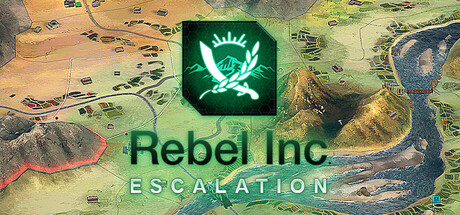
Core Counterinsurgency Gameplay: The game simulates asymmetrical warfare with mechanics for fighting insurgents, managing local support, and balancing military, economic, and political systems. Players must stabilize regions through infrastructure, diplomacy, and military action while dealing with dynamic rebel spawning.
Governors and Advisors System: Unique governors and advisors with distinct abilities (e.g., Economist, General) influence gameplay by offering specialized bonuses or constraints. Players must align strategies with their governor’s strengths to optimize stability, military, or economic outcomes.
Scenario-Based Campaigns: The game features campaign modes with linked or standalone scenarios, each offering unique challenges (e.g., opium dens, dams). Procedurally generated maps and community-created content add replayability, though some scenarios lack continuity.
High Difficulty and Learning Curve: The game is notoriously difficult, with brutal modes, hidden mechanics, and a steep learning curve. Players must master overlapping systems (e.g., inflation, rebel spawning) and often rely on external guides to understand core mechanics.
Optimization and hardware strain: The game suffers from poor optimization, leading to high GPU utilization (e.g., 100% on RX 6600) and heat generation. Some players note high demands for a mobile port.
Multiplayer connectivity problems: Players experience license verification failures, disconnects, and general connectivity issues during multiplayer sessions, disrupting gameplay.
Low system requirements: The game is praised for its low PC requirements, running smoothly on older or budget hardware (e.g., laptops) with adjusted settings.
Dynamic visual feedback: The game features dynamic visual changes reflecting in-game development and military activity, enhancing immersion for players.
Cheating via local file modification: Some players report cheating by modifying local files, which undermines fair gameplay and multiplayer integrity.
Recommendations
Balanced pricing with discounts advised: The game is considered worth its price, especially when on sale, though some reviewers suggest it is only worth purchasing at a steep discount due to flaws or lack of content. DLCs are also mentioned as adding value.
Highly recommended for strategy fans: The game is frequently recommended for strategy enthusiasts, particularly those who enjoy slow-paced, deep gameplay or are fans of titles like Plague Inc. and Civilization. It is praised for its intellectual and mechanical depth but noted as unsuitable for casual players.
Add political and societal depth: Players request more political development options, such as protest events, dictatorship mechanics, and forced labor. Expanding civilian needs to include religious/ethnic tensions is also suggested for greater realism.
Fix technical and connectivity issues: Frequent complaints about crashes, connectivity problems, and penalties for disconnects in campaign mode. Co-op mode is praised as a positive addition but overshadowed by technical flaws.
Military and anti-corruption focus: Players emphasize prioritizing military investment and anti-corruption initiatives, especially at higher difficulty levels. Roads and international military presence are also highlighted as key strategies to suppress rebels effectively.
Platform notes
Steam Deck: *Rebel Inc.* on Steam Deck suffers from critical technical barriers that severely impact the user experience. The most pressing issues include frequent crashes and freezes, which render the game unplayable at times, as well as poor optimization for Steam Deck controls, leading to frustration. The game lacks native support for the platform, unlike its predecessor *Plague Inc.*, and requires significant improvements to match the seamless experience expected on the device. While the core gameplay is praised for its strategic depth and satisfaction, these technical flaws overshadow the positive aspects and create a high-friction experience.
Extra review signals
Monetization: The monetization strategy in *Rebel Inc.* primarily revolves around aggressive DLC practices, including content segmentation, pay-to-win elements, and selling solutions to game design flaws. While some users appreciate the value of DLC when purchased on sale, the overall sentiment leans toward frustration with the perceived greed of locking essential or advantageous content behind additional purchases. The lack of post-launch support further exacerbates these concerns, as players feel the developer is prioritizing monetization over organic improvements.
External guides: The primary user feedback highlights a significant reliance on external data (e.g., wikis or third-party guides) to understand and master the game's complex mechanics, such as numerical systems and hidden interactions. While the game is praised for its depth and replayability, users feel compelled to seek external resources to fully grasp its intricacies. Additionally, there is minor feedback about the lack of interactive spatial tools, such as a dynamic map, which could improve navigation and usability.
Other review notes
Mobile version superior to PC: Reviewers frequently compare the PC version unfavorably to the mobile version, calling the mobile version the 'completed' version and noting they own all DLCs there. This suggests the PC port lacks content or polish.
Forced controller use on PC: Players criticize the PC version for requiring controller input, which limits accessibility and deviates from standard PC gaming conventions.
Playtime inflation concerns: Some players suspect playtime metrics are exaggerated due to leaving the game running overnight, raising doubts about engagement or idle mechanics.
Developer updates seen as pretentious: Some players view developer updates as unnecessary or self-important, indicating potential dissatisfaction with post-launch communication or changes.
Perceived propaganda critique: A subset of reviews dismiss the game as a 'public propaganda project,' though this appears to be a political opinion rather than gameplay-focused feedback.