- Beautiful graphics and art
- Unique and interesting concept
- Great music and sound
- Frequent bugs and glitches
- Weak story and narrative
- Game is very short
Emotions
Archetypes
What players like:
Common complaints:
Gameplay feedback:
Performance notes:
Recommendations:
Other player notes:
Similar games
Blend with other games







Review evidence
Why players say this
Review evidence
Why players say this
Steam review verdict
A visually stunning and conceptually unique experience with a great soundtrack, though frequent bugs, a weak story, and a very short runtime hold it back.
What players like
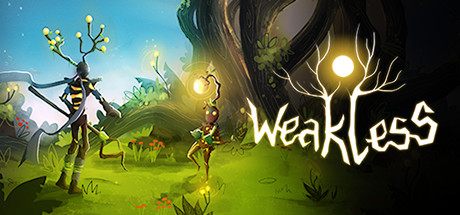
Beautiful graphics and art: The game's graphics and art direction are widely praised for being beautiful, atmospheric, and well-executed. Players highlight the stunning visuals, unique art style, and lovely environment aesthetics.
Unique and interesting concept: The game stands out for its unique premise involving two characters with disabilities, specifically a blind and deaf tree spirit duo. This novel setting and the way they help each other is engaging and distinctive.
Great music and sound: The soundtrack and background music are praised for being beautiful, atmospheric, and calming. The sound design enhances the overall ambiance of the game.
Straightforward and easy puzzles: Many players find the puzzles straightforward and easy to solve, which adds to the relaxing nature of the game. The puzzles are simple but entertaining, and a hint system prevents getting stuck.
Relaxing and calming experience: The game is frequently described as perfect for relaxation, with a calm and serene atmosphere. The gameplay is not stressful, and the calming music contributes to a soothing experience.
Common complaints
Frequent bugs and glitches: Players encounter many bugs, including getting stuck in walls or on objects, requiring checkpoint reloads. Technical issues are widespread, especially in puzzle-heavy sections.
Weak story and narrative: The story is described as absent, vague, and confusing, with little character development or lore. The narrative fails to engage players or provide a meaningful context.
Poor controls and movement: Controls are imprecise, aiming is difficult, and character movement is slow. This makes gameplay feel clunky and frustrating, especially in action or puzzle sequences.
Disability theme underutilized: The disability theme is barely explored, and the unique perspectives of blind and deaf characters are not effectively integrated into gameplay. This is a missed opportunity for depth.
Lack of guidance and map: There is no map or clear guidance, making it easy to get lost and stuck. This adds frustration and confusion, especially in larger areas.
Gameplay and performance
Dual-character sensory puzzle game: The game centers on controlling two characters, one deaf and one blind, who must cooperate to solve puzzles. This unique mechanic is the core of the experience.
Blind character uses echo-location: The blind character navigates using echo-location, tapping a staff to detect objects and see the world in black and white. This character can also move heavy objects and play musical instruments.
Cooperation is key to progress: Most puzzles require both characters to work together, using their unique abilities to overcome obstacles. The game emphasizes mutual dependence and collaboration.
No dialogue, narrative through actions: The game has no spoken or written dialogue, telling its story through the characters' actions and interactions. This silent approach reinforces the theme of sensory limitation.
Characters are tree spirits: The two protagonists are tree spirits with disabilities who work together to save a big tree. This adds a fantasy element to the story.
FPS drops and performance issues: Players experience occasional FPS drops and lag, with optimization described as absent in some areas. Performance issues are more noticeable in certain locations and puzzle-heavy scenes.
Screenshots have visual artifacts: Screenshots taken in the game show artifacts, indicating rendering or graphical glitches. This affects the visual quality and may be a sign of deeper technical issues.
Recommendations
Buy on sale: Many reviewers advise purchasing the game only when discounted, often emphasizing that it is not worth the full price. This sentiment appears across multiple clusters, indicating a common consensus on value.
Strongly recommended: A few reviewers give an absolute or strong recommendation, indicating that for some players the game is a standout experience. This contrasts with the more cautious sale-based recommendations.
Recommended for puzzle fans: The game is specifically recommended for players who enjoy puzzle games, with some noting it suits 3D puzzles and adventure elements. This suggests the core appeal is to a niche audience.
Not for action lovers: The game is not recommended for players who prefer action games with shooting or driving, as it lacks those elements. This helps set expectations for potential buyers.
Atmosphere and themes: Reviewers recommend the game for fans of atmospheric games, and for those who value themes of disabilities and environmental protection. The alien world and heartwarming premise are also highlighted.
Buying context
Community fair range: $4.00 - $5.00.
Game completion: 3.0h.
Story completion: 2.0h.
Endgame: 4.0h.
Players report persistent friction from tedious puzzles, repetitive mechanics, and a repetitive soundtrack, with no point at which the game becomes enjoyable. The deaf/blind concept fails to deliver, and the lack of co-op split screen is a missed opportunity.
Friction: Tedious puzzles; Assisted trial and error; Repetitive soundtrack; Unfulfilling deaf/blind mechanics; Lack of co-op split screen.
Player profiles
Atmosphere Seeker: Slow, exploratory, and sensory-focused; they absorb the environment and soundtrack rather than rushing. Motivation: Emotional resonance and aesthetic immersion through music, art, and contemplative pacing. Stance: sale.
Value-Conscious Critic: Efficient and completionist; they finish the game in one or two sittings and then judge it on length and cost. Motivation: Maximizing entertainment per dollar; avoiding buyer's remorse on short or shallow games. Stance: sale.
Disappointed Expectation: Critical and goal-oriented; they try to find the expected mechanics and are quickly bored by simple puzzles. Motivation: Seeking action, platforming, or a deep narrative; they are frustrated when the game fails to deliver on its premise. Stance: no buy.
Platform notes
Steam Deck: The game exhibits significant technical issues on Steam Deck, including frequent crashes, bugs, and imprecise controls, making it difficult to play.
Other review notes
Game is very short: Multiple clusters indicate the game can be completed in roughly 2-4 hours, with many players noting it feels too brief. This is the most frequently mentioned issue, affecting overall value and satisfaction.
Low replay value: Several clusters mention that the game has low replayability and no replay value, likely due to its short length and linear nature. This reduces long-term engagement and value for players.
Collectibles include paintings and instruments: The game features collectibles such as paintings, musical instruments, and sketches, which add some exploration incentive. However, these are not enough to significantly extend playtime or replay value.
Comparisons to The Lost Vikings: The game is compared to The Lost Vikings for its codependent NPCs and puzzle design, indicating a similar cooperative puzzle-solving mechanic. This comparison highlights the game's unique character-based puzzles.
Achievements mostly story-related: Achievements are mostly tied to story progression, with only two collectible-related achievements. This means achievement hunting is not a major replay driver.