- Strong visual presentation
- Solid card battler roguelike
- Distinct playable characters
- Deckbuilding with card synergies
- Gameplay becomes boring and repetitive
- Little to no story depth

Emotions
Archetypes
What players like:
Common complaints:
Gameplay feedback:
Performance notes:
Recommendations:
Other player notes:
Similar games
Blend with other games








Review evidence
Why players say this
Review evidence
Why players say this
Steam review verdict
Visually striking and built on a solid card-battler roguelike core with distinct characters and satisfying deck synergies, but the gameplay grows repetitive and the story offers little depth.
What players like
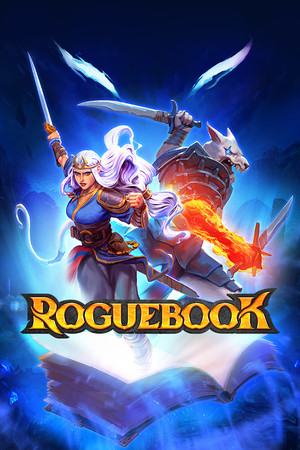
Strong Visual Presentation: Graphics, art, and animations are frequently praised as beautiful, polished, and visually appealing.
Solid Card Battler Roguelike: Reviewers consider it a well-made and fun deck-building roguelike with satisfying mechanics.
Positive Overall Impressions: Many reviewers describe the game as fun, beautiful, and well-made, with addictive gameplay and a satisfying experience.
Distinct Playable Characters: The three characters offer different playstyles, builds, and deck types, adding variety and replayability.
Unique and Interesting Mechanics: The game introduces fresh mechanics that make it stand out in the genre, such as the combo system and randomized skill trees.
Common complaints
Unfavorable comparison to Slay the Spire: The game is repeatedly criticized as an inferior copy of Slay the Spire, lacking its addictive quality, depth, and tight structure.
Gameplay becomes boring and repetitive: Many players find the core gameplay loop repetitive, leading to boredom, especially after a few hours or multiple clears.
Little to no story: Multiple reviewers note the complete absence of a narrative, which they find disappointing.
Low difficulty and challenge: Many players feel the game is too easy, with difficulty not high enough to be engaging.
Poor game balance: Balance issues, including card balance and overall difficulty balance, make the game unappealing to some players.
Gameplay and performance
Roguelike card battler core: The game is primarily described as a roguelike deckbuilder with card-based combat, often compared to Slay the Spire. Players build decks and engage in turn-based battles with roguelike progression.
Deckbuilding with synergies: Deckbuilding is a central mechanic, with emphasis on card synergies, archetypes, and strategic combinations. Players acquire cards and build synergies to create powerful decks.
Three playable characters: The game features three distinct playable characters, each with unique cards, skills, and playstyles. This provides varied gameplay experiences.
Similar to Slay the Spire: Many reviewers note the gameplay is very similar to Slay the Spire, including its mechanics and structure. Some describe it as a simplified or inspired version of that game.
Combo and parry mechanics: A combo system requires playing specific card types in order to trigger bonuses, such as double damage. Parry and precision mechanics add timing and defense elements to combat.
Mediocre performance optimization reported: Multiple reviewers describe the optimization as mediocre or not very good. The feedback is consistent but lacks specific technical details.
Light load on modest PCs: A reviewer notes the game is not too demanding on a modest PC. Together with integrated graphics reports, this indicates accessible system requirements.
Frequent crashes reported: A reviewer states the game constantly crashes. This is a serious stability concern that should be prioritized.
Game closes with joystick connected: One reviewer reports that the game launches but shuts down immediately whenever a joystick is connected. This is a specific input-device compatibility crash that needs investigation.
Works well on Steam Deck: A reviewer confirms the game runs well on Steam Deck. This is a positive portability signal for handheld players.
Recommendations
Wait for a sale: A large number of reviews advise purchasing the game only during a discount, with many suggesting waiting for a significant sale like 50-70% off. It is frequently described as good value when discounted.
Fans of Slay the Spire: Many reviewers recommend the game specifically to fans of Slay the Spire, Monster Train, or other roguelike deckbuilders. It is often described as a fun alternative or entry point for that audience.
Good entry point for newcomers: The game is recommended for players new to deckbuilders or roguelikes, as it is accessible and easy to learn. It serves as a good introduction to the genre.
Solid deckbuilder for genre fans: Reviewers consistently recommend the game to fans of deckbuilding games, praising its mechanics and value within the genre. Some note it lacks depth but is still enjoyable.
Not recommended for hardcore players: Some reviewers warn that the game may not satisfy hardcore card battler fans or those seeking deep strategy, as it lacks depth and variation.
Buying context
Community fair range: $10.00 - $15.00.
Game completion: 35.0h.
Story completion: 16.0h.
Session length: 1.5h.
Many players find the card loop addictive at first, but the fun often fades once runs, enemies, and progression become repetitive. A smaller set of players instead report growing into the game or using DLC rewards to skip the grind.
Friction: Tutorial video does not explain the mechanics well; Roguelite randomness initially puts off players who prefer planning ahead; Grinding for gear and unlocks feels mindnumbing; Controller menu navigation is tedious; Learning curve is weaker than comparable deck-builders.
Unlock drivers: Accepting the roguelite structure helped one player grow into the game; DLC trophies can buy gear and skip grinding, allowing fun immediately; Understanding the unique mechanics; New skin DLC brought a player back to play more.
Player profiles
Slay the Spire Veteran Benchmarker: Benchmarks systems against Slay the Spire, seeks hard difficulties, and optimizes builds quickly. Motivation: Finding more deckbuilder content and a challenge comparable to Slay the Spire. Stance: sale.
Casual Deckbuilder Newcomer: Learns through tutorials, plays lower difficulties, and enjoys relaxed casual runs. Motivation: Accessible, low-pressure card battles and a gentle entry into deckbuilders. Stance: buy.
Anime Waifu Collector: Plays for character visuals, costume collection, and light card battles. Motivation: Anime waifu aesthetics, outfit unlocks, and fanservice DLC. Stance: buy.
Platform notes
Steam Deck: The Steam Deck experience is mixed but not seamless. Users praise Proton compatibility, offline play, and general performance on Deck, yet the controller implementation is a major barrier because menus require mouse or cursor navigation and cannot be configured or disabled. Multiple reviews also report crashes, launch failures, freezes on exit, a broken tutorial, and post-crash progression blocking. These stability and input problems create high friction and outweigh the positive reports.
Linux and Proton: The available Linux/Proton evidence is consistently positive. Users report the game runs well with Proton 5.0, plays fine on Linux through Proton, and runs extremely well on Steam Deck, including offline play. No Linux-specific launch failures, anti-cheat blockers, required workarounds, or persistent compatibility issues are mentioned.
Extra review signals
Monetization: The reviews show a single-player game with free updates and some cheap cosmetic DLC, but also direct evidence that paid DLC grants in-game trophies used to buy gear and the final-boss item. Multiple reviewers describe this DLC as a way to skip painful grinding, which makes the monetization aggressive paid convenience/progression rather than a purely cosmetic shop. There is no clear evidence of real-money gacha or a casino-style system, so the score sits in the aggressive range rather than the maximum predatory tier.
External guides: The reviews center on shallow or unclear post-game content, unfriendly UI and specification presentation, awkward quest-selection layout, and close combat visual spacing. There is no meaningful evidence of users needing external data for farming or grinding, inventory or crafting management, or learning quest outcomes, builds, secrets, or complex mechanics. Under the strict hierarchy, no higher tier is triggered, so the default low score applies.
Other review notes
Heavy Slay the Spire comparisons: The most frequent feedback compares the game directly to Slay the Spire as a roguelike deckbuilder, with many noting strong similarities and shared core mechanics. Some view it as a worthy alternative or even superior, while others call it a knockoff.
Unfavorable to Slay the Spire: A large portion of reviewers compare the game unfavorably to Slay the Spire, citing inferior polish, balance, depth, and overall fun. Many suggest playing Slay the Spire instead and label this game a lesser or copied version.
Simplified casual version: The game is described as a more casual, simplified version of Slay the Spire with lower entry threshold and less RNG. This appeals to players seeking a more relaxed experience.
Cosmetic-only DLC packs: Multiple reviewers clarify that all DLC consists solely of cosmetic outfits and skin packs sold separately. There is no gameplay-affecting content in the DLC.
Easier than Slay the Spire: Reviewers frequently note the game has lower difficulty than Slay the Spire, especially in the early game, which some find less satisfying and challenging. Others appreciate the more forgiving, lower-randomness approach.