- Overall great game
- Realistic homelessness simulation
- Thought-provoking and emotional experience
- Numerous bugs
- Repetitive gameplay
- Low replayability

Emotions
Archetypes
What players like:
Common complaints:
Gameplay feedback:
Performance notes:
Recommendations:
Other player notes:
Similar games
Blend with other games






Review evidence
Why players say this
Review evidence
Why players say this
Steam review verdict
A thought-provoking and emotional homelessness simulation that's genuinely great, but bugs, repetitive gameplay, and low replayability hold it back.
What players like
Overall great game: General sentiment is overwhelmingly positive, with many calling it a great, high-quality game worth buying.
Realistic homelessness simulation: The game is praised for its realistic and immersive depiction of homelessness, accurately conveying the desperation, struggles, and societal pressures faced by homeless individuals.
Thought-provoking and emotional experience: The game is described as deeply thought-provoking, moving, and immersive, effectively conveying the sadness and toll of homelessness.
Eye-opening perspective on homelessness: Players report that the game changed their views on homelessness, making them more aware and reflective about the plight of homeless people.
High replayability and variety: Reviewers highlight immense replay value, with each playthrough feeling different due to random events and varied progression.
Common complaints
Numerous bugs: Many players encounter bugs throughout the game, some of which are severe enough to ruin the experience. Bugs range from minor to game-breaking, including persistent issues from previous versions.
Repetitive gameplay: Players frequently report that the gameplay becomes repetitive after a few hours, with later stages feeling highly monotonous. This is a common complaint across many reviews.
Low replayability: Replayability is often criticized as insufficient, with little to no replay value. Subsequent playthroughs feel too similar to the first.
Lack of activities/content: There is a lack of activities and not enough content to keep players engaged long-term. The game volume is too small.
High difficulty: The game is often described as very hard and unforgiving, especially for new players. Some characters are particularly challenging to complete the game with.
Gameplay and performance
Roguelike structure: The game is frequently described as a roguelike or roguelite with runs, permadeath, and repeatable playthroughs. This core loop shapes progression and replayability.
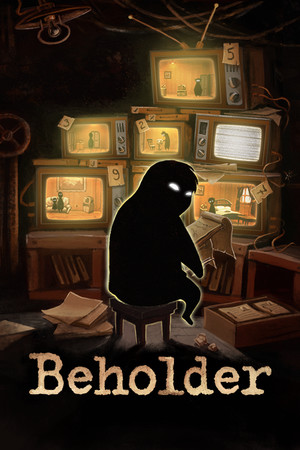
Homeless survival simulation: Many reviews emphasize the game's unique premise as a homelessness survival simulation. Players manage resources and navigate daily challenges to escape poverty.
Happiness and stats system: The game uses a happiness meter instead of a health bar, along with other stats like fullness and knowledge. Happiness affects the world's appearance and can lead to depression or death.
Multiple difficulty settings: The game offers adjustable difficulty levels, including unlockable difficulties and a 1-10 scale. Difficulty can also scale with player customization.
Unlockable content per run: Each run unlocks new items, locations, perks, and features for future playthroughs. This progression system encourages repeated attempts.
Frequent crashes and freezes: Many players report the game crashing or freezing frequently, including during later stages, shelter events, and long actions. The game often becomes unresponsive with music still playing.
Crashes on specific actions: Crashes occur when buying special items while streaming, right before starting a new day, or when clicking on locations like entering the shelter. These specific triggers disrupt gameplay.
Launch failures and unknown errors: Some players experience the game failing to launch, while others encounter unknown errors during long play that prevent passing the night. These errors can completely halt progress.
Post-processing settings not saved: Post-processing turns back on each game session even after being disabled, and a white glow on lights and text persists with post-processing off. Settings do not persist.
Building usage bug: A bug prevents buildings from being used and requires restarting the game. This blocks progression until the game is restarted.
Recommendations
Strongly positive general recommendation: Many reviewers describe the game as great, thought-provoking, and worth a positive review. The overall sentiment is strongly in favor of recommending it to others.
Worth the full price: Several reviewers say the game is worth every cent and meaningful despite its price. They consider it a good purchase at full cost.
Better to buy on sale: Multiple reviewers recommend waiting for a discount before purchasing. They feel the game is more worthwhile at a reduced price.
Bugs prevent recommendation: Reviewers report that bugs and poor unlocking progress make the game hard to recommend. Some would reconsider only after fixes are made.
Must-play experience: Some reviewers call the game a must-play and encourage everyone to try it at least once. They highlight its unique concept and execution.
Buying context
Community fair range: $5.00 - $10.00.
Game completion: 3.0h.
Story completion: 20.0h.
Session length: 5.0h.
Most players describe the homeless-survival and scavenging loop as immediately addictive, even though the opening is punishing and systems can be frustrating. A notable subset reports that the routine becomes repetitive or boring later.
Friction: Challenging first few hours and a punishing learning curve; Fast hunger and happiness decay; Smoking, alcohol, and drugs can create addiction traps; Finding a job is difficult; Bugs and glitches can make the game feel like a slog; Tedious repeated mouse clicks.
Unlock drivers: Understanding game mechanics enables clever strategies and successful runs; Unlocking new items and content after each run encourages continued play; Different characters with unique advantages and setbacks improve replayability; Special events and added content help keep runs from feeling stale; Higher stakes and a more challenging late-game loop can offset mid-to-late tedium.
Player profiles
Empathy-Driven Social Observer: Slow, reflective, story and encounter focused. Motivation: To understand homelessness and reflect on social indifference. Stance: buy.
Roguelike Systems Optimizer: Min-maxing routes, stacking perks, and repeating runs for unlocks. Motivation: To master runs, unlock perks, and optimize survival strategies. Stance: sale.
Bug-Weary Early Access Skeptic: Normal survival play, but highly sensitive to technical failures. Motivation: To avoid losing progress to unstable early-access bugs. Stance: no buy.
Platform notes
Steam Deck: Steam Deck feedback shows a playable but unstable experience. Users report launch and late-game crashes, a black-screen freeze when opening the backpack, missing native controller support with touchscreen workarounds, text-heavy sections, and a save-transfer failure between Deck and PC. The core game is praised for depth and replayability, but stability and input issues create high friction.
Linux and Proton: The provided review contains no evidence of Linux or Proton compatibility friction. Its Steam Deck mention is about save synchronization between devices rather than launch reliability, performance, graphical issues, anti-cheat, or workaround-heavy setup. The user indicates they can still play on Steam Deck.
Extra review signals
Monetization: The reviews mention paid DLC, base-game content concerns, sale recommendations, and technical issues, but none provide direct evidence of real-money microtransactions, loot boxes, paid gacha, paid power, paid convenience, battle passes, or currency obfuscation. The negative DLC comments concern a traditional expansion/content split rather than an in-game cash shop. Under the scoring rules, these findings cannot exceed the fair/pure range.
External guides: The main Wiki Tax signal is reliance on external walkthroughs and guides to learn how to play, which aligns with Tier 3 instructional data dependency. A separate high-impact technical complaint concerns freezes and alt-tab/task-manager recovery, but no farming, loot, inventory, crafting, or other higher-priority Wiki Tax evidence appears.
Other review notes
Charity donations from revenue: Multiple clusters indicate that part of the game's revenue is donated to homeless charities and causes. This is a recurring positive theme in the feedback.
DLC and additional content: The game has DLC that adds characters, customization, and expands the universe, and is available in different versions. Many reviewers mention the DLC.
Regular updates and bug fixes: The game receives frequent updates with content additions and bug fixes. Developers continue to polish the game over time.
Raises awareness about homelessness: The game aims to raise empathy and awareness about homelessness by simulating the experience. It is seen as educational and focused on social issues.
Discounted and low price: The game is often sold at a discount, up to 80%, and is considered low-priced. Reviewers purchased it on sale after waiting.