- Engaging break combat system
- Outstanding soundtrack praised
- Good stories and characters
- Classic RPG style appreciated
- Price is too high
- Characters lack meaningful interaction
Emotions
Archetypes
What players like:
Common complaints:
Gameplay feedback:
Performance notes:
Recommendations:
Other player notes:
Similar games
Blend with other games






Review evidence
Why players say this
Review evidence
Why players say this
Steam review verdict
Engaging break combat, outstanding soundtrack, good stories and classic RPG style are let down by a high price and characters lacking meaningful interaction.
What players like
Engaging break combat system: The turn-based combat featuring Break, Boost, and weakness mechanics is widely praised as strategic, fun, and rewarding. Players enjoy the depth and tactical layers of the system.
Outstanding soundtrack praised: Players consistently highlight the soundtrack as exceptional, noting memorable melodies and unique instrument themes for characters. The music is considered immersive and a standout feature of the game.
Good stories and characters: The narrative and character development are appreciated, with many finding the stories well-written, touching, and relatable.
Classic RPG style appreciated: The game successfully captures the essence of classic and nostalgic RPGs while adding modern touches, appealing to fans of old-school JRPGs.
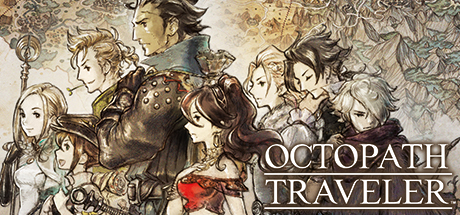
HD-2D visual style praised: The HD-2D art style is highly regarded for its beauty, combining retro pixel aesthetics with dynamic lighting and reflections for a stunning look.
Common complaints
Characters lack meaningful interaction: The eight protagonists have little to no interaction with each other, making the story feel disjointed. Players expected more intertwining and connection between character stories.
Story is bland and cliche: The story is described as mediocre, predictable, and lacking engagement. Players find it plain and uninteresting, with no strong highlights or surprises.
Price is too high: Many players feel the full price is unjustified and recommend waiting for a sale. The game is considered not worth its cost even at half price by some.
Random encounters are too frequent: Random encounters trigger too often while exploring, making navigation tedious and frustrating. Players find the frequency obnoxious and disruptive.
Requires too much grinding: The game forces repetitive grinding due to difficulty spikes and level requirements. This makes progression feel tedious and time-consuming.
Gameplay and performance
Turn-based Break and Boost combat: The majority of feedback emphasizes the turn-based combat system, featuring Break and Boost mechanics, vulnerability-based shield breaking, and strategic depth.
Eight distinct character stories: Players consistently praise the eight distinct characters, each with their own story, path actions, and unique abilities, providing varied perspectives on the world.
Primary/Secondary job customization: The job system allows primary and secondary job customization, offering numerous combinations and unlocking advanced classes for deeper character builds.
HD-2D pixel art aesthetics: The HD-2D art style combines pixel art sprites with 3D environments and modern lighting, evoking nostalgia for classic 16-bit RPGs.
Classic JRPG with modern touches: The game is widely recognized as a classic-style JRPG with multiple storylines and modern enhancements, appealing to fans of the genre.
Solid PC and Steam Deck performance: Players report that the game runs well on Steam Deck and PC, with better performance and texture quality compared to the Switch version. Specific mentions include smooth gameplay on Steam Deck and the PC version delivering higher frame rates and crisper textures.
Runs on varied hardware configurations: The game performs acceptably on a range of hardware, from older integrated GPUs to high-end setups. Some users note it plays well even on weak systems, while others report that integrated graphics require reduced resolution but still run.
Moderate hardware resource consumption: On high-end hardware, power usage is relatively low (85-100W, 25-30% resource usage), which some consider efficient for the art style. However, other feedback highlights that the game's performance-to-visual quality ratio is poor for its graphical style.
Performance issues typical of Square Enix: Some players point out performance issues typical of Square Enix titles, but feel they are more pronounced here. The criticism centers on optimization problems and inconsistent frame rates.
Recommendations
Great for genre fans and new players: The game is recommended for fans of traditional JRPGs, old-school RPGs, Final Fantasy, turn-based combat, and even newcomers to the genre.
Must-play classic JRPG experience: This game is highly praised as essential for fans of classic turn-based JRPGs, pixel art, and the genre as a whole, with many giving it a perfect score.
Buy only on deep sale: Multiple reviews suggest that the game is worth buying only when on sale or at a steep discount, not at full price.
Play Octopath 1 before 2: Many recommend starting with Octopath Traveler 1 before playing its sequel, Octopath Traveler 2, for a better experience and enjoyment of the series.
Overpriced and not worth cost: A significant number of reviews consider the game too expensive and not worth buying even at a discount, especially compared to its price.
Buying context
Community fair range: $20.00 - $30.00.
Game completion: 68.0h.
Story completion: 98.0h.
Octopath Traveler starts slow and tedious for many players, but fun typically clicks after unlocking advanced jobs or understanding strategic combat systems, though the repetitive structure and grinding remain persistent friction.
Friction: Repetitive chapter structure; Grinding for levels between chapters; Slow pace due to excessive cutscenes; Tedious attrition-based combat; Underleveled zones forcing specific party composition; Need to grind benched characters for final boss.
Unlock drivers: Unlocking advanced subclasses (e.g., knight); Understanding the depth of job system and character customization; Adopting strategic combat approaches; Accepting the game's pacing and narrative style.
Player profiles
Classic JRPG Nostalgist: Methodical turn-based combat, full exploration, accepts grinding as inherent to the genre. Motivation: Reliving classic JRPG nostalgia with modern HD-2D aesthetics. Stance: sale.
Story-Centric Critic: Wants to progress through story naturally without forced grinding; may use guides or mods to bypass tedium. Motivation: Seeking a compelling, interconnected story with meaningful character development. Stance: no buy.
Completionist Grinder: Grinds efficiently, uses guides and spreadsheets, plans party builds for maximum power. Motivation: Completing all achievements, overcoming post-game challenges, optimizing builds. Stance: buy.
Platform notes
Steam Deck: The game is widely reported to run perfectly on Steam Deck with smooth 60fps, native controls, and no need for workarounds. Only a single user reported it as broken, which may be an isolated incident.
Linux and Proton: The game runs smoothly on Steam Deck (Linux through Proton) with consistent reports of great performance and no Linux-specific friction.
Extra review signals
Monetization: The user reviews exclusively discuss the game's base price being too high. No mentions of microtransactions, pay-to-win, gacha, or any in-game shop exist. The game is likely a standard one-time purchase, so its monetization model is fair despite pricing dissatisfaction.
External guides: Users consistently report heavy dependency on external resources such as wikis, guides, and spreadsheets to overcome game design choices that obscure critical information. The most impactful complaint involves a rare 0.1% drop needed to progress, categorized as Tier 1 (The Grinder). Other major themes include missable quests, lack of in-game tracking for collectibles, and vague ability descriptions.
Other review notes
Nostalgic comparison to Cross Gate: Many players feel a strong sense of nostalgia when comparing the game to Cross Gate, a classic title in the genre.