- Great weapon and build variety
- Excellent value for the price
- Abundant content and replayability
- Repetitive and boring gameplay
- High and uneven difficulty
- Grindy and slow progression
Emotions
Archetypes
What players like:
Common complaints:
Gameplay feedback:
Performance notes:
Recommendations:
Other player notes:
Similar games
Blend with other games





Review evidence
Why players say this
Review evidence
Why players say this
Steam review verdict
Great weapon variety and value with abundant content, but repetitive gameplay, uneven difficulty, and grindy progression hinder enjoyment.
What players like
Weapon and build variety: The game offers a massive pool of weapons, trinkets, and items that allow diverse builds, changing playstyles each run and preventing boredom. This is a core strength praised by many users.
Pixel art appeal: The charming pixel art style, reminiscent of GBA/NDS, is praised for being both cute and cool, combining classic and modern visuals.
Excellent value for price: Many find the game affordable and worth the cost, offering high-quality pixel art and great fun at a low price point, with full price being justified.
Abundant content: The game contains a massive amount of content, including lots of weapons, upgrades, side quests, and items to unlock, providing deep depth for exploration.
Memorable boss music: The BGM, especially for bosses like slime and ice themes, is memorable and well-made, adding to the enjoyment of boss fights.
Common complaints
Repetitive and boring gameplay: Multiple clusters indicate the game becomes boring or repetitive after a certain number of hours, with limited variety in levels and content. Clusters 2, 9, 38, and 257 describe a lack of novelty and motivation to continue playing.
High and uneven difficulty: Feedback points to a steep and unfair difficulty curve, especially in the early game and hard mode. Clusters 3, 4, 5, and 20 mention excessive challenge that feels frustrating and unbalanced, often requiring good equipment.
Grindy and slow progression: Several clusters note that the game feels grindy, with limited skill points, low level caps, and slow progression that extends playtime. Clusters 6, 10, 11, and 40 highlight how grinding is required to unlock content and advance.
Unintuitive and awkward controls: Players report that the control scheme is unintuitive, awkward, and causes physical discomfort, especially with controllers. Clusters 1 and 91 highlight issues with specific controller layouts and keyboard mapping, leading to hand strain.
Limited build diversity: Players find limited equipment slots and weapon balance restrict build variety, leading to similar endgame setups. Clusters 7, 15, and 34 mention unbalanced weapons and poor item variety that reduce replayability.
Gameplay and performance
Core genre identification: A significant number of reviews consistently describe the game as a roguelike or roguelite, emphasizing its genre-defining elements such as procedurally generated runs, permadeath, and randomized content. This is the most fundamental feedback, representing the game's core identity.
Food and hunger system: A unique food-based system is a notable feature, centered on a hunger meter and satiety mechanic. Eating provides temporary or permanent buffs, while moving through rooms or floors decreases satiety, requiring strategic management. This system is distinct and adds a layer of resource management to the gameplay.
Weapon and item variety: The game offers a large selection of weapons, including melee and ranged types, with different tiers and rarities. Many are unlockable through gameplay, providing a sense of progression and variety that keeps each run feeling different.
Roguelike comparisons: Players frequently compare the game to established roguelike titles like 'The Binding of Isaac', 'Rogue Legacy', and 'Enter the Gungeon'. These comparisons serve as useful reference points for the game's style, but also indicate a strong similarity to these acclaimed games, which may influence player expectations.
Dungeon crawling focus: Many reviews emphasize the core loop of 'dungeon crawling', which involves exploring procedurally generated rooms and floors. This is reinforced by the mention of merchants and other elements found within dungeons, suggesting a strong exploratory component.
Excellent performance on weak hardware: The game runs smoothly even on a 10-year-old laptop or low-end computers, making it accessible to many players. This is a highly praised aspect of the game's optimization.
Progress loss after crash: Following a crash, player progress resets, leading to frustration and loss of time invested. This compound issue with crashes is especially problematic for ongoing sessions.
Game crashes and hang-ups: Players experience crashes where the game becomes unresponsive, which can interrupt gameplay. This is a notable stability issue affecting user experience.
Minor startup blocking bugs: A few minor bugs prevented the game from starting at all, acting as a gate for some players. While not widespread, these bugs are critical for those affected.
Initial resolution problems: Some players faced early resolution or display issues, possibly related to graphics settings or startup configuration. This is a minor but notable technical concern during initial setup.
Recommendations
Strongly recommended for roguelike fans: Multiple clusters (1, 2, 5, 8, 10, 56, 58) recommend the game to roguelike and roguelite enthusiasts, citing comparisons to Dead Cells, Binding of Isaac, and Enter the Gungeon.
Great value for price: Clusters 3, 7, 12, and 65 highlight the game as worth buying at full price or a good deal, with 7 mentioning a 9/10 score.
Recommended for newcomers and beginners: Clusters 6, 9, and 71 recommend the game to beginners and those new to roguelikes, noting it is accessible and a good entry point.
Buy on sale or discounted: Clusters 4 and 94 advise purchasing during a sale or at a lower price, while cluster 22 suggests a $10 cap, indicating value concerns.
Mod support enhances experience: Clusters 18, 20, 48, 50, and 49 recommend using mods or the workshop for extended variety and replayability after completing the base game.
Buying context
Community fair range: $7.00 - $10.00.
Game completion: 82.0h.
Story completion: 20.0h.
Endgame: 70.0h.
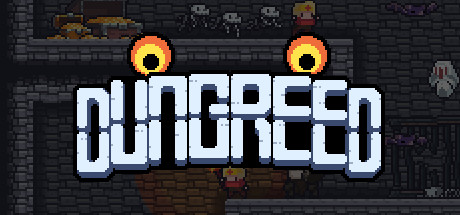
Dungreed starts with steep progression and missing key abilities like I-frames, but becomes engaging after a few hours when varied weapons and items unlock.
Reported time to anchor: 2h.
Friction: Lack of I-frames; Low item variety; Steep progression curve; Required grinding.
Player profiles
Veteran Genre Critic: Min-maxing and analyzing meta-progression; quickly identifies when RNG or balance limits fun. Motivation: Comparing and evaluating game design against genre peers. Stance: no buy.
Pixel Art Enthusiast: Explores casually, enjoys the look and feel without worrying about optimization. Motivation: Aesthetic charm and nostalgic pixel style. Stance: sale.
Progression Grinder: Systematic grinding of levels and meta-progress; prioritizes efficiency over variety. Motivation: Unlocking all upgrades and achievements through sustained effort. Stance: deep sale.
Other review notes
Demand for additional content: Players expressed a desire for downloadable content (DLC) or a sequel, indicating strong engagement with the game world and a wish for more story or gameplay expansion.
Mysterious village fireworks event: Players mentioned an elusive night fireworks event in a village that they could not confirm with others, suggesting either a rare or hidden occurrence that may spark curiosity or lore discussion.