- Stunning retro-futuristic aesthetic and immersive atmosphere.
- Excellent voice acting enhances compelling characters.
- Engaging story with deep philosophical themes.
- Frequent crashes and performance issues disrupt gameplay.
- Slow, tedious 'walking simulator' gameplay.
- Choices lack impact, leading to unsatisfying endings.
What players like:
Common complaints:
Gameplay feedback:
Performance notes:
Recommendations:
Other player notes:
Similar games
Blend with other games





Review evidence
Why players say this
Review evidence
Why players say this
What players like
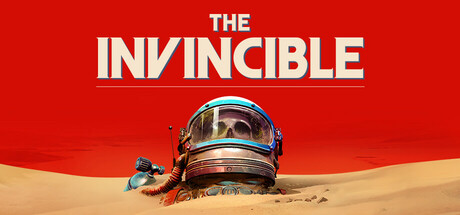
Stunning retro-futuristic aesthetic and atmosphere: The game features a well-executed retro-futuristic aesthetic, drawing inspiration from 1960s science fiction, Soviet atompunk, and artists like Stanislaw Lem. This unique visual style, combined with detailed environments, immersive sound design, and a haunting soundtrack, creates a captivating and believable atmosphere reminiscent of classic sci-fi films and literature. The high level of polish and attention to detail enhances the overall sense of immersion and wonder.
Excellent voice acting and characters: Reviewers consistently praise the game's strong voice acting, well-written dialogue, and compelling characters. The performances effectively convey a range of emotions, enhancing the narrative and creating a genuine connection with the characters, particularly the protagonist Yasna. This contributes significantly to the overall immersive experience, drawing players deeper into the story and its philosophical themes.
Engaging story, faithful adaptation: The game is praised for its engaging story and successful adaptation of the source material, offering a unique experience even for those familiar with the book. It expands upon the original narrative, adding depth and intrigue while remaining faithful to the source material's atmosphere and themes. The game's design choices, such as avoiding combat and focusing on exploration and dialogue, contribute to its immersive and captivating nature.
Explores deep philosophical themes: The game explores thought-provoking philosophical themes related to humanity's place in the universe, the nature of life, and the ethics of technology. It prompts players to contemplate these ideas through its narrative, dialogue, and environmental storytelling, creating a meditative and engaging experience. The game's focus on philosophical questions sets it apart from typical space exploration games, offering a deeper and more meaningful experience.
Immersive atmosphere, excellent sound design: The game's visual and auditory elements work together to create a strong sense of atmosphere, enhancing the feeling of mystery, isolation, and awe. The soundtrack is particularly praised for its ability to evoke a range of emotions and complement the game's setting. The art direction is remarkable and well-realized, creating a world that is both beautiful and unsettling.
Common complaints
Choices lack impact; endings unsatisfying: A common complaint is the lack of meaningful choices and unsatisfying endings. Many reviewers felt that player decisions had little impact on the story's outcome, leading to a sense of linearity and a lack of agency. The multiple endings were often described as rushed, abrupt, and offering minimal variation, diminishing replay value.
Slow, tedious "walking simulator" gameplay: Many reviewers found the gameplay slow, tedious, and boring, often describing it as a "walking simulator" with minimal interaction beyond dialogue choices. The slow pace, repetitive actions, and lack of engaging mechanics led to a feeling of monotony and a lack of player agency. Some reviewers felt the game was artificially lengthened by these elements.
Clunky movement; restricted exploration: Reviewers frequently cited issues with movement and exploration, including slow character speed, clunky controls, and restrictive environments. Invisible walls and limited interactivity hindered exploration, leading to frustration and a sense of being confined to predetermined paths. The lack of jumping and sprinting further exacerbated these issues.
Frequent crashes and performance issues: Many reviewers reported technical issues such as frequent crashes, stuttering, frame rate drops, and graphical glitches. These performance problems significantly hampered the gaming experience, making it difficult or impossible to progress. Poor optimization was a recurring theme, even on high-end hardware.
Annoying protagonist; excessive dialogue: The protagonist's constant dialogue, often described as immature, annoying, or overly emotional, detracted from the experience. Some reviewers found the character's internal monologues and reactions to be inconsistent with their supposed background, while others felt the character's slow movement and limited stamina were unrealistic and frustrating.
Gameplay and performance
Exploration and investigation gameplay: Players explore an alien planet, investigating anomalies and uncovering its secrets. This involves using various tools and devices to scan the environment, analyze data, and interact with alien artifacts. The story unfolds through exploration, environmental interaction, and discovery.
Interactive story, limited action: The game emphasizes narrative over action, often feeling like an interactive movie or visual novel. Player agency is primarily expressed through dialogue choices, with limited direct control over the character's actions. The focus is on experiencing the story and shaping the protagonist's perspective.
Lacks gameplay depth/innovation: Some reviewers found the gameplay to be lacking in innovation and depth. They noted that dialogue choices sometimes have little impact, gadgets are underutilized, and the game lacks engaging combat. These points suggest that the game may not appeal to players seeking complex mechanics or challenging gameplay.
Vehicle traversal, rover gameplay: The game features vehicles, particularly a rover, for traversing the environment. Driving is a significant part of the gameplay experience, allowing players to explore the planet more efficiently. However, some reviewers note that the driving mechanics prioritize convenience over realism.
Interactive maps and notebooks: The game features interactive maps, notebooks, and whiteboards with clickable areas that open pop-up windows to display scrollable text. The game features a diegetic interface where interactions occur within the game world itself.
Texture and terrain loading issues: Many players have reported issues with textures failing to load properly, level-of-detail pop-in, and terrain rendering errors. These issues can lead to visual glitches like checkerboard patterns, blurry textures, and even falling through the world in some instances. The severity of these issues appears to vary depending on hardware and settings.
Clipping and invisible walls: Some players have reported clipping issues with character models and vehicles, as well as invisible walls in explorable areas. Shading glitches can also lead to areas of complete darkness, further detracting from the visual experience. These issues can make exploration feel clunky and immersion-breaking.
Ray tracing and DLSS issues: Ray tracing implementation is problematic, causing texture issues and requiring DLSS to function properly. However, DLSS itself is also reported to have issues, suggesting that the game's implementation of these advanced graphical features is not well-optimized. This can lead to visual artifacts and performance problems when using these features.
Poor TAA implementation: The game's TAA implementation is poor, causing flickering, ghosting, and other visual artifacts. The aggressive nature of the TAA and the inability to disable it further exacerbate these issues. This can result in a blurry or unstable image, particularly noticeable on white highlights and edges.
Audio cut-off issues: Some players have reported audio issues, such as voice lines cutting each other off and audio cutting in and out. These issues can disrupt dialogue and make it difficult to follow the story. The frequency and severity of these issues appear to vary.
Recommendations
Strong narrative, immersive experience: The game is highly recommended, especially for fans of science fiction, retrofuturism, and narrative-driven experiences. Reviewers praise its engaging story, stunning visuals, and thought-provoking themes, making it a must-play for those who appreciate slow-paced, atmospheric adventures.
Wait for sale recommended: Many reviewers suggest waiting for a sale due to the game's short length, technical issues, and high price. While the game has redeeming qualities, it may not be worth the full price for all players, making a discounted purchase more appealing.
Book/movie may be better: Some reviewers suggest that the game may be better experienced as a movie or by reading the original novel. They feel the game's adaptation doesn't fully capture the story's potential and that other mediums might offer a more rewarding experience.
Desire for more content: Reviewers express a strong desire for more content and similar projects from the developers, indicating a positive overall impression and a hope for future installments in the same vein.
Lacks interactivity for some: Some reviewers caution that the game may not appeal to players seeking interactivity or fast-paced gameplay. They suggest that those who dislike non-interactive walking simulators should be aware of what they're getting into before purchasing.
Other review notes
Based on Lem's 'The Invincible': The game is based on Stanislaw Lem's novel 'The Invincible' and serves as a prequel, reinterpretation, or alternate story set on Regis III. It explores similar themes but introduces new characters and events, sometimes using direct quotes from the book.
Short, choice-driven narrative: The game offers a relatively short single-player experience, lasting around 5-8 hours. It includes multiple endings and a comic strip that visualizes key events and adapts to player choices, serving as a recap.
Deviations from the source material: The game makes some changes compared to the book, such as featuring a female lead character and including a political subplot. These alterations offer a fresh perspective on the story and expand upon the original ideas.
Achievements, multiple playthroughs: The game features achievements, some of which may require multiple playthroughs to unlock. The game lacks an epilogue to show the results of the player's choices.
Story-driven exploration game: Developed by Starward Industries and published by 11 bit studios, the game is a story-driven exploration title. It intentionally lacks common gameplay elements like crafting, upgrades, or combat.