- Strong and varied boss roster
- Immersive atmospheric presentation
- Fun and engaging gameplay
- Clunky and unconventional controls
- No control remapping option
- Confusing and poor map
Emotions
Archetypes
What players like:
Common complaints:
Gameplay feedback:
Performance notes:
Recommendations:
Other player notes:
Similar games
Blend with other games




Review evidence
Why players say this
Review evidence
Why players say this
Steam review verdict
A strong varied boss roster, immersive atmosphere, and fun gameplay are undermined by clunky unconventional controls with no remapping and a confusing poor map.
What players like
Strong and varied boss roster: Bosses are repeatedly praised as memorable, well-animated, and thoughtfully designed with varied mechanics. The lineup is seen as a highlight of the experience.
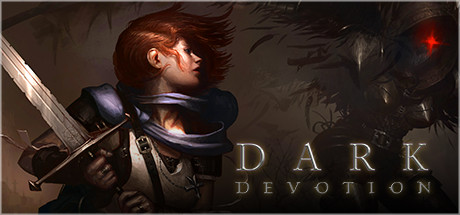
Immersive atmospheric presentation: The atmosphere is described as compelling, eerie, and well-realized, with a charming yet dark vibe that draws players in. It is frequently cited as a major strength.
Fun and engaging gameplay: Players consistently describe the core gameplay loop as enjoyable, addictive, and engaging. Many note having a good time despite the dark tone and unique style.
Good weapon and item variety: Players appreciate the wide range of weapons with distinct advantages and trade-offs, supporting multiple playstyles. The variety of items and upgrades is also noted as decent.
Positive overall reception: General sentiment is strongly favorable, with many calling it a very good or outstanding game. It is described as rewarding and enjoyable overall.
Common complaints
Clunky and unconventional controls: Many players report the control scheme feels awkward, clunky, and unintuitive, requiring significant time to get used to. Keyboard and mouse controls in particular are described as cumbersome and poorly configured.
No control remapping option: Players repeatedly complain that controls and key bindings cannot be changed or rebound, forcing them to use poor default mappings. This makes the game especially painful to play on laptops or with custom setups.
No volume control options: The game lacks any in-game volume slider or sound settings menu, forcing players to adjust audio through the operating system. This is a commonly cited missing feature.
No jump button: Players are frustrated that the character cannot jump, which feels wrong for a side-scrolling platformer or metroidvania-style game. The missing jump ability is seen as a major omission.
Slow and stiff combat: Combat is described as slow, methodical, and stiff, dragging down the pace and sometimes feeling like a grind. The combat rhythm is often tedious rather than engaging.
Gameplay and performance
Metroidvania and Roguelike Blend: The game mixes Metroidvania, roguelike, and soulslike elements, creating a unique genre combination. Many reviewers describe it as a metroidvania roguelike with souls-like difficulty.
Hardcore Souls-like Roguelike Hybrid: The game combines soulslike combat and difficulty with roguelike mechanics, creating a challenging hybrid. Reviewers frequently mention its hardcore nature and genre fusion.
2D Souls-like Pixel Adventure: The game is frequently described as a 2D pixel-art Souls-like, often blending roguelite and Metroidvania elements. Many reviewers emphasize its old-school aesthetic and souls-like gameplay.
Challenging Boss Fights: Boss fights require learning attack patterns and unique strategies over multiple attempts. Reviewers often mention specific bosses and the need to memorize patterns.
Souls-like Combat Mechanics: Combat is heavily inspired by Souls games, featuring telegraphed enemy attacks, dodge rolls, and punishing difficulty. It is often compared to side-scrolling Dark Souls or Castlevania-style action.
Controller support bugs: Multiple players report controller detection failures, laggy inputs, and compatibility issues even after patches. Specific cases include Xbox 360 and Xbox One controllers not working correctly.
Performance hitches and freezes: Players experience brief freezes and stutters during UI updates, such as picking up souls or unlocking items, with inputs being ignored. These issues occur despite low CPU/GPU usage and worsen over longer sessions.
Launch failures: The game fails to start due to errors like 'Cannot load Steamworks.mfx' and other launch-time issues, including possible conflicts with programmable input devices.
Memory leaks and system slowdown: After closing the game, some users report system slowdown and improper memory clearing that requires a reboot. The game process sometimes must be ended via Task Manager.
General optimization issues: Players report various optimization problems that affect performance and stability, though details are vague.
Recommendations
Ideal for Soulslike Fans: A large majority of reviewers strongly recommend the game to fans of Dark Souls and similar challenging action RPGs. The 2D combat and dark world are frequently compared to genre staples like Blasphemous and Salt & Sanctuary.
Overall Positive Recommendation: The game receives overwhelmingly positive recommendations, with many simply stating it is worth playing or a must-have. Enthusiasm is high among those who enjoy the genre.
Mixed Value at Full Price: Opinions are divided on whether the game is worth its full price. Many suggest waiting for a sale, while others feel it justifies the cost, especially given its content.
Challenging but Rewarding: The game is praised for its difficulty, appealing to players who enjoy punishing experiences and repeated deaths. However, it is not recommended for those who dislike frustration or a steep learning curve.
Roguelite Elements Divide Players: The inclusion of roguelite mechanics is a point of contention; fans of the genre appreciate them, but those expecting a pure soulslike or metroidvania may be disappointed. Some warn that the game is not for those who dislike roguelikes.
Buying context
Community fair range: $10.00 - $20.00.
Game completion: 20.0h.
Session length: 2.0h.
Endgame: 35.0h.
Early friction is common: clunky controls, obscure progression, harsh death penalties, and a painful opening. For many players, enjoyment arrives after they understand combat/progression and unlock build options, while a minority never get past the tedium.
Friction: Clunky controls and unintuitive button mapping; Confusing progression and little tutorial information; Losing all items and equipment on death; Slow, punishing roguelite progression with repeated maps; Forced backtracking through cleared rooms; Steep learning curve and harsh difficulty.
Unlock drivers: Getting used to the clunky controls; Understanding enemy attacks and spacing; Learning how to progress through the temple; Persistent unlocks such as blueprints, buffs, and shortcuts; Build crafting with varied weapons and spells; Late-game dodge timing and stamina management.
Player profiles
Hardcore Soulslike Veteran: Cautious spacing, stamina management, boss pattern learning, and build experimentation. Motivation: Mastery of demanding stamina-based combat and dark-fantasy boss encounters. Stance: buy.
Metroidvania Rogue-lite Explorer: Explores handcrafted maps, plans routes, experiments with weapons, and grinds permanent upgrades. Motivation: Exploration, discovery, and steady meta-progression through unlockable perks and loadouts. Stance: buy.
Frustrated Newcomer: Tentative early play; struggles with dark maps, awkward controls, and harsh punishment before quitting. Motivation: Curiosity about the dark-fantasy action, but only if onboarding and controls feel fair. Stance: no buy.
Platform notes
Steam Deck: The audit finds substantial friction for Steam Deck users. Controller support is frequently reported as broken or misleadingly labeled as full support, and a common workaround requires changing Steam controller settings. Remapping is widely unavailable across multiple language reviews, and some users report small, dark map/UI text that is hard to read. Multiple reviews also describe launch failures, black screens, and crashes. While some players report the game runs well on Steam Deck, the overall experience is not reliably out-of-box.
Linux and Proton: The filtered reviews contain very little Linux/Proton evidence. The only relevant positive signal is a user saying the game is fun to play on Steam Deck. Other Linux-adjacent mentions are a generic joke about compiling Linux programs and unrelated offline-mode playtime comments; no review reports Linux-specific launch failures, Proton tweaks, anti-cheat blockers, performance problems, or graphical glitches.
Extra review signals
External guides: Feedback centers on external wiki dependence for mechanics, hidden content, builds, and unlocks, with additional complaints about weak in-game maps and Alt+Tab or bug interruptions. Under the strict priority algorithm, explicit Tier 3 learning and finding-content signals are present, so the final score is 50 despite notable Tier 4 issues.
Other review notes
Compared to Blasphemous and Salt: Reviewers often mention Blasphemous and Salt and Sanctuary as reference points, both favorably and unfavorably. The game is seen as similar in style and difficulty to these titles.
Frequent Dark Souls comparisons: Players consistently compare the game to Dark Souls and other soulslike titles, especially regarding combat, difficulty, and atmosphere. These comparisons span many clusters and highlight the game's strong soulslike identity.
Short to moderate length: Playtime varies but is generally reported as 10-20 hours for a standard run, with some players finishing in 10-15 hours. Completionists may take longer.
Not a metroidvania: Several reviewers note that despite surface similarities, the game does not fully fit the metroidvania genre. It is often described as blending elements instead.
Affordable and frequently discounted: Reviewers highlight the game's low price and frequent discounts, often describing it as cheap or a good deal. This makes it an attractive purchase for many.