- Unique, captivating atmosphere and surreal dreamscapes
- Focus on exploration and player interpretation
- Influential cult classic, memorable experience
- Confusing, directionless gameplay without guidance
- Slow pace, limited interactivity, depressing ending
- Reliance on external guides often necessary
Emotions
What players like:
Common complaints:
Gameplay feedback:
Performance notes:
Recommendations:
Other player notes:
Similar games
Blend with other games


Review evidence
Why players say this
Review evidence
Why players say this
What players like
Unique & Captivating Atmosphere: Players consistently praise the game's distinct, dream-like, and often unsettling atmosphere, enhanced by its surreal visuals and evocative soundtrack. This creates a deeply immersive and thought-provoking experience that many describe as a work of art.
Influential Cult Classic: The game is widely recognized as a highly influential cult classic, particularly within the RPG Maker horror genre. It has inspired numerous other indie games and created a subgenre of 'Yume Nikki fangames,' solidifying its legacy in gaming history.
Open to Interpretation & Meaning: A core aspect of the game's appeal is its abstract nature, lack of explicit narrative, and open-ended design, which encourages players to interpret its symbolism and meaning individually. This fosters deep personal reflection and engagement.
Memorable & Enduring Experience: Many players describe the game as unforgettable, often returning to it over time. Its unique qualities, emotional impact, and ability to provide comfort or provoke thought ensure it remains a cherished and enduring experience.
Rewarding Exploration & Discovery: Despite minimal traditional gameplay, players find immense satisfaction in exploring the game's vast, interconnected, and bizarre dream worlds. The discovery of hidden effects, secrets, and unexpected events makes each playthrough unique and engaging.
Common complaints
Confusing and Directionless Gameplay: Players consistently found the game confusing, lacking clear objectives, story, or guidance, leading to boredom and frustration. Many felt lost and struggled to understand the game's purpose or how to progress without external help.
Slow Pace and Limited Interactivity: The game is criticized for its very slow movement speed, lack of interactive feedback, and overall sluggish pace. This contributes to a feeling of boredom and a lack of engagement, making the experience feel like a 'walking simulator' with little to do.
Depressing and Unrewarding Ending: The game's ending is frequently described as sad, depressing, and unrewarding, often interpreted as the main character's suicide. This conclusion leaves many players with feelings of emptiness, disappointment, and a sense that their efforts were not justified.
Reliance on External Guides: A significant number of players found the game nearly impossible to complete or fully understand without consulting online guides, wikis, or walkthroughs. This necessity detracts from the intended exploration experience and can make the game feel tedious and antiquated.
Disturbing and Unpleasant Content: The game contains disturbing imagery, themes of trauma, and visuals that can cause physical discomfort like headaches or nausea. While some appreciate the psychological elements, many found the experience unsettling and not traditionally 'fun'.
Gameplay and performance
Focus on exploration and experience: The game is primarily an exploration-focused 'walking simulator' where the objective is not completion but the journey itself. Players are encouraged to wander aimlessly, discover new places, and immerse themselves in the unique atmosphere and surreal scenery.
Minimal narrative and guidance: The game lacks traditional elements like dialogue, explicit plot, combat, or clear objectives. It offers no handholding, leaving players to interpret the abstract and symbolic world on their own. This contributes to a pervasive sense of isolation and mystery.
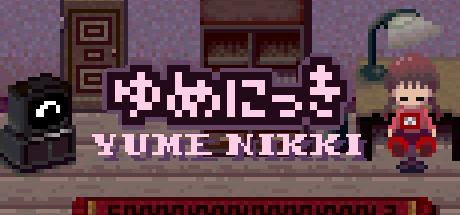
Explore Madotsuki's dream world: Players control Madotsuki, a hikikomori girl who explores her own subconscious through a vast, interconnected, and often unsettling dream world. This world is filled with surreal imagery, strange characters, and cryptic symbolism, reflecting her inner mind.
Collect 'Effects' for progression: A core gameplay mechanic involves collecting 24 (or 25) 'effects' scattered throughout the dream worlds. These effects change the protagonist's appearance, grant special abilities, and are essential for unlocking new paths and ultimately reaching the game's ending.
Surreal, maze-like dreamscapes: The game features a sprawling, non-linear dream world with a tree-like structure, accessed through 12 main doors. These environments are often repetitive, looped, and labyrinthine, creating a sense of eternal sleep, confinement, and disorientation.
Audio quality issues: Some music tracks are reportedly distorted following a recent update, negatively affecting the game's sound experience. Given the importance of sound effects, this is a notable concern.
Game fails to launch: Multiple players reported that the game does not start at all, preventing them from playing. This is a critical issue impacting accessibility.
Input methods are broken: Players experienced issues with basic input methods, specifically arrow and enter keys, rendering the game unplayable. This severely impacts user interaction.
Low hardware demands: The game is noted for its extremely low hardware requirements, making it accessible on a wide range of systems. This is a positive aspect for player accessibility.
Improved font rendering: The Steam version of the game has resolved common RPG Maker font issues on Windows 7, indicating a positive technical improvement for specific operating systems. This enhances visual clarity for some users.
Recommendations
Not for Everyone, but Recommended: The game is widely acknowledged as niche, appealing primarily to players who enjoy exploration, surrealism, abstract art, and psychological themes. Despite its polarizing nature, many reviewers urge others to try it, especially given its free availability.
Patience and Exploration are Key: The game rewards patient players who are willing to wander aimlessly, explore dream worlds, and take notes. It's not a traditional RPG with clear objectives, but rather an experience focused on discovery and atmosphere.
Play Blind for Best Experience: Many players strongly recommend experiencing the game for the first time without guides or wikis to fully embrace discovery and immersion. This approach enhances the unique atmosphere and impact of the game's ending.
Use Guides if Stuck: While a blind playthrough is recommended initially, players are advised to use guides or wikis if they get stuck, become bored, or want to find all secrets and endings. This balances discovery with progression.
Consider Getting Bicycle Early: For those who might find the initial exploration tedious, a practical tip is to look up how to obtain the bicycle effect early on. This significantly speeds up movement and can improve the overall experience.
Other review notes
Unique, Surreal, and Confusing Experience: Players consistently describe the game as a bizarre, dream-like, and often confusing experience unlike anything else. Its abstract nature and lack of clear goals contribute to a sense of anxiety and disorientation, making it an acquired taste not suitable for all players.
Rich in Interpretation and Symbolism: The game is lauded for its deep philosophical and psychological themes, which are open to extensive player interpretation. Its minimalist storytelling and evocative imagery encourage community discussion and the development of numerous fan theories about the protagonist's trauma and the dream world's meaning.
Highly Influential Indie Classic: Despite its niche appeal, the game is recognized as a seminal work in indie gaming, inspiring numerous popular titles like Undertale, Omori, and Lisa The Painful. Its use of the RPG Maker engine demonstrated the tool's potential beyond traditional JRPGs, cementing its status as a cult classic.
Requires Patience and Exploration: The game demands patience and a willingness to explore without explicit guidance. Many players found themselves needing external resources like wikis to understand its mechanics or lore, though some recommend avoiding them for a purer experience.
Strong Community and Fandom: The game has cultivated a dedicated fanbase that actively engages in discussions, theories, and fan-made content. This community aspect is crucial for understanding and appreciating the game's depth, especially given its ambiguous nature.