- Smart and dynamic enemy AI
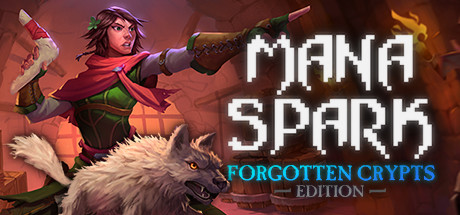
- Beautiful pixel art style
- Fun and responsive combat
- Slow and tedious combat
- Lack of content and variety
- Shallow and redundant progression
Emotions
Archetypes
What players like:
Common complaints:
Gameplay feedback:
Performance notes:
Recommendations:
Other player notes:
- -
No data available
Similar games
Blend with other games






Review evidence
Why players say this
Review evidence
Why players say this
Steam review verdict
Smart enemy AI and gorgeous pixel art shine, but inconsistent combat pacing, limited variety, and shallow progression hold it back.
What players like
Smart and dynamic enemy AI: Enemy AI is noted for being interesting and dynamic, with behaviors that change based on other enemies, cooperation, and reactive patterns. This adds strategic depth to encounters.
Beautiful pixel art style: The pixel art style is widely praised for its charm and beauty. Some reviews also highlight vivid colors, effects, and an outstanding soundtrack.
Varied characters with distinct playstyles: Players appreciated the variety of characters, each offering distinct playstyles and unique features. This adds replayability and depth to the gameplay.
Fun and responsive combat: Combat is described as fun, responsive, and enjoyable across all characters, with some noting it is tough but rewarding. This contributes to the core gameplay satisfaction.
Challenging yet balanced difficulty: Players mention the game's challenging difficulty, but also note it is well-balanced, offering a satisfying level of challenge without being unfair.
Common complaints
Slow and tedious combat: Combat feels slow and tedious due to poor controls, long reloads, lack of dodge canceling, and high enemy health, forcing players to kite or cheese enemies. The gameplay becomes a boring patience test with limited options for builds and character customization, reducing strategic depth.
Lack of content and variety: The game lacks sufficient content, with limited levels, enemies, bosses, items, and variety, leading to repetitive gameplay and low replayability. Players note that procedural generation fails to create meaningful variety, and the game feels too short or unfinished for its genre.
Bullet sponge enemies and bosses: Enemies and bosses have excessive health and damage, often with cheap mechanics, forcing specific builds and making combat tedious. Difficulty spikes are harsh, especially in later stages or challenge modes, leading to frustration.
Shallow and redundant progression systems: Base-building and camp upgrades become redundant, recipes are few, and most items are shallow stat boosts with boring passive effects that fail to create interesting builds or significant changes in playstyle.
Unbalanced items and abilities: Many items and abilities are unbalanced, with some being overpowered (e.g., Clever Stone Ram, Naturalist's dog) and others useless or broken (e.g., charge shot, piercing arrow). This creates imbalance between characters and playstyles.
Gameplay and performance
Procedural roguelike dungeon exploration: This game is a procedurally generated roguelike with dungeon-crawling exploration. Random levels and perks ensure high replayability, and players navigate top-down dungeons with discovery-driven gameplay.
Varied enemy and boss patterns: Enemy AI features intelligent group behavior, with each enemy having unique skills and patterns. Bosses have multiple phases and distinct attack patterns, making combat strategic and challenging.
Multiple distinct character playstyles: Three playable characters—Hunter (bow, dodge roll), Crossbow Guard (crossbow, dash), and Warrior (sword, shield)—each have unique fighting styles. This variety allows players to choose distinct playstyles, from ranged precision to melee defense.
Hub camp with permanent upgrades: A hub camp with NPCs like the blacksmith and historian provides permanent upgrades and services. The camp acts as a central progression system, allowing players to enhance abilities and unlock new features between runs.
Souls-like combat difficulty: The game features souls-like combat mechanics in a top-down roguelite format. Challenging combat requires precise aiming, positioning, and learning enemy patterns, akin to souls-like difficulty.
Optimization issues exist: Some players report FPS drops and lag caused by boss summoning and body accumulation, while others claim the game is optimized well. Patch notes confirmation of optimization suggests mixed performance across systems.
Steam Deck playable: The game is perfectly playable on Steam Deck after changing control configuration, indicating good compatibility with minor setup needed.
Visual bug on boss: A visual bug occurs specifically on the final boss, indicating a rendering or animation issue that needs fixing.
Recommendations
Best value on sale: Common feedback recommends waiting for a sale price between 1-3 dollars to get good value; full price is not justified.
Appeals to genre fans: Positive feedback focuses on pixel art, challenging roguelike gameplay, and retro style, appealing strongly to genre fans.
Lacks content and replayability: Not recommended due to lack of content, low replayability compared to similar games like Binding of Isaac, or unresolved issues.
Highly recommended overall: General high recommendation as a great game worth buying and playing.
Brutal difficulty, short runs: The game offers brutal difficulty and short runs, which can deter those who dislike hard games or old-school graphics.
Buying context
Community fair range: $5.00 - $10.00.
Story completion: 4.0h.
The game provides initial enjoyment but becomes tedious and repetitive after a few hours, with slow combat and limited variety undermining long-term engagement.
Player profiles
Genre Veteran Critic: Analytical, comparing systems to genre classics, min-maxing builds. Motivation: Seeking deep, transformative roguelite mechanics and high replayability. Stance: deep sale.
Casual Rogue-liker: Casual, completion-focused, appreciates clear progression and aesthetic polish. Motivation: Enjoying a challenging but manageable roguelike with good visuals and sound, without needing hundreds of hours. Stance: buy.
Co-op Partner: Coordinated play with a partner, leveraging co-op to overcome difficulty. Motivation: Playing cooperatively with friends, either online or locally, to share the experience. Stance: sale.