- Relaxing gameplay with freedom of choice.
- Charming aesthetics create immersive atmosphere.
- DLCs significantly enhance and expand the experience.
- Unique, macabre concept with dark humor.
- Tedious grind and unclear guidance frustrate players.
- Inadequate tutorials and poor explanations.
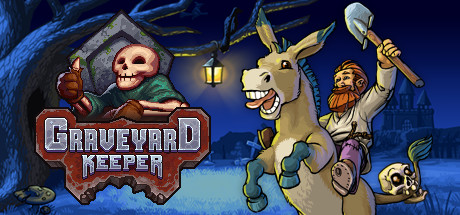
What players like:
Common complaints:
Gameplay feedback:
Performance notes:
Recommendations:
Other player notes:
Similar games
Blend with other games

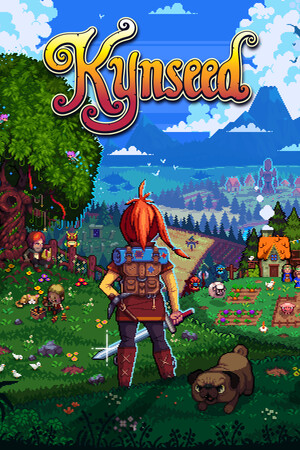
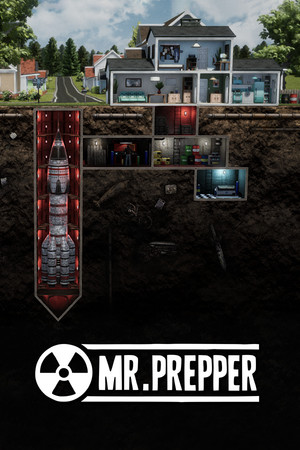
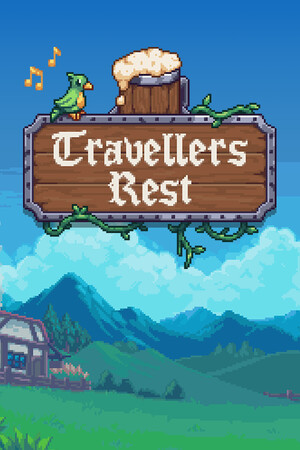




Review evidence
Why players say this
Review evidence
Why players say this
What players like
Relaxing, engaging, and freedom of choice: The game offers a relaxing and engaging gameplay loop with freedom to progress at your own pace. Players appreciate the lack of strict time limits and the ability to explore various activities without pressure. The game is easy to pick up and play, offering a wealth of content that keeps players engaged for hours.
Charming aesthetics and immersive atmosphere: The game features excellent pixel art, immersive music, and a charming presentation. Reviewers consistently praise the detailed graphics, atmospheric sound design, and engaging story, making it a visually and aurally appealing experience. The game world is immersive and enjoyable.
DLCs enhance and expand experience: The DLCs significantly enhance the game by adding substantial content, expanding the story and lore, and introducing new mechanics. Reviewers highly recommend purchasing the DLCs to improve the overall experience and alleviate some of the base game's grind. The DLCs feel like a natural extension of the base game.
Unique take on Stardew Valley: The game is often compared to Stardew Valley, but with its own unique twists. Reviewers appreciate the engaging NPC interactions, intricate story, and the absence of strict time constraints found in similar games. The game offers a fresh take on the farming sim genre with a darker and more mature theme.
Enjoyable dark humor and story: The game features dark humor, witty dialogue, and a satirical tone that appeals to players who enjoy morbid and unconventional themes. The story is engaging and full of unexpected twists, with characters that are both funny and memorable. The game's humor is a strong positive.
Common complaints
Tedious grind, unclear guidance: The game suffers from a tedious grind due to excessive resource requirements, time-gated mechanics, and constant backtracking. Players are forced to rely on external resources like wikis due to a lack of clear in-game guidance and confusing mechanics. This makes progression feel slow, repetitive, and frustrating, overshadowing the interesting aspects of the game.
Inadequate tutorials, poor explanations: The game lacks adequate tutorials and in-game explanations, making it difficult for new players to understand core mechanics and progress effectively. This forces players to rely on external resources and trial-and-error, leading to frustration and a steep learning curve. The game is not intuitive.
Poor inventory management system: Inventory management is a major issue due to limited space, lack of expansion options, and inconvenient storage systems. This forces players to spend excessive time shuffling items and memorizing locations, hindering overall gameplay flow and enjoyment. The game lacks quality of life features.
Slow pace, can be boring: The game can feel slow-paced and repetitive, with some reviewers finding it boring after a while. The game also has some bugs and performance issues. The game is addictively frustrating.
Disappointing and incomplete ending: The game's ending is often described as disappointing, abrupt, and incomplete, leaving many plot points unresolved. This lack of closure diminishes the overall player experience and may require purchasing DLC to address unanswered questions. Some players also encountered bugs.
Gameplay and performance
Graveyard, corpse, church management: The core gameplay loop revolves around managing a medieval graveyard, processing corpses (including autopsies and organ removal), and maintaining a church to generate income and faith. Players engage in morally ambiguous activities like selling corpse meat and using zombies for labor. The quality of the graveyard and church directly impacts progression and resource generation.
Technology tree drives progression: Progression is primarily driven by a technology tree, where players earn points through various actions to unlock new crafting recipes, buildings, and abilities. This system encourages players to engage in different activities to acquire the necessary points for advancement. Unlocking technologies is essential for game progression and quest completion.
NPC quests and weekly schedules: The game features a quest system where players interact with NPCs to advance storylines and unlock new content. NPCs have weekly schedules, appearing only on specific days, which requires players to plan their activities accordingly. Quests often involve crafting items or running errands to increase reputation with NPCs.
Zombie automation for tasks: The game introduces automation mechanics, particularly through the use of zombies, to alleviate the resource grind. While initially players must perform most tasks manually, automation becomes available later in the game, especially with DLC content. However, some reviews suggest that the automation is limited or flawed.
Energy system and time management: The game incorporates an energy system that depletes with actions and is replenished by food or sleep. Players must manage their energy levels to efficiently perform tasks and progress through the game. The day-night cycle also affects character availability and actions.
Performance issues and game crashes: Players report a range of performance issues, including frame rate drops, stuttering, lag, and screen tearing. These problems occur across different hardware configurations and game locations, sometimes worsening over long play sessions or when performing specific actions like building or entering certain areas. Some players also experience game crashes, occasionally leading to lost progress.
Mixed opinions on optimization: Some reviewers praise the game's optimization, noting its smooth performance on a variety of hardware, including the Steam Deck. Others describe the graphics and sound as minimalistic, and some find the music repetitive.
Bug reports vary widely: While some players experience no issues, others encounter various bugs, ranging from minor typos and graphical glitches to more severe problems that can disrupt gameplay. Some players have experienced game-breaking bugs that required restarting the game.
Steam Cloud and Steam Deck issues: Some players have reported issues with Steam Cloud synchronization and the Steam Deck, requiring workarounds to enable cloud saves. This can be frustrating for players who rely on these features for cross-device play or data backup.
Specific gameplay bugs reported: Players have reported specific gameplay bugs, such as technology points getting stuck and zombies disappearing when assigned tasks. These issues can impede progression and disrupt the intended gameplay loop.
Recommendations
Compared to Stardew Valley: Many reviewers compare the game to Stardew Valley, noting similarities in gameplay but with a darker theme and more complex mechanics. Some recommend it to fans of Stardew Valley looking for a different experience, while others suggest sticking with Stardew Valley or other similar games due to the game's flaws.
Overwhelmingly positive (vague): Some reviewers express overwhelmingly positive sentiments, rating the game perfectly and considering it a masterpiece. However, these reviews often lack specific details about the gameplay or features that make the game so enjoyable, reducing their constructiveness.
Mods improve gameplay experience: Several reviewers recommend using mods to improve the gameplay experience, such as easing the grind, increasing movement speed, or extending days. This suggests that the base game has some issues that can be addressed through modding.
Teleport stone is essential: Acquiring the teleportation stone early in the game is highly recommended by multiple reviewers. This item helps save time and makes navigating the game world more efficient, suggesting that travel can be tedious without it.
Desire for a sequel: Some reviewers express a desire for a sequel or future installments, indicating that they enjoyed the game and want to see the world and story expanded upon.
Other review notes
Complex, time-consuming gameplay.: The game is complex and time-consuming, often requiring players to consult external resources like wikis to understand its mechanics and manage its various systems. Players may need to take notes to keep track of crafting components and quest objectives. The story is long and can become stale in the late game.
Differs from Stardew Valley.: While similar to Stardew Valley in some aspects, Graveyard Keeper distinguishes itself with darker themes, a focus on corpse management, and a quest-driven narrative centered on escaping a difficult situation. Unlike Stardew Valley's open-ended gameplay and emphasis on NPC relationships, Graveyard Keeper offers a more structured and macabre experience.
Visually impressive pixel art.: The game features impressive pixel art, detailed environments, and a cohesive visual style that contributes positively to the overall experience. The art style is often described as beautiful and well-executed, enhancing the game's atmosphere.
Mods improve quality of life.: Players recommend using mods to improve the game's quality of life and add more fun. However, it's important to back up game saves before installing mods to avoid potential issues.
Buy on sale.: Reviewers suggest purchasing the game on sale due to significant price differences. The base game and DLCs often receive substantial discounts, making it a more worthwhile investment.