- Unique Zelda-like, Souls-like Metroidvania blend.
- Ingenious puzzles and vast secrets to uncover.
- Progression driven by brilliant in-game manual.
- Adorable art style, captivating soundtrack.
- Combat is unpolished and often frustrating.
- Puzzles are cryptic, guidance is poor.
Emotions
What players like:
Common complaints:
Gameplay feedback:
Performance notes:
Recommendations:
Other player notes:
Similar games
Blend with other games







Review evidence
Why players say this
Review evidence
Why players say this
What players like
A truly unique masterpiece.: Players overwhelmingly describe the game as an absolute masterpiece, a unique work of art, and one of their all-time favorites. It provides an unforgettable, deeply impactful experience, often evoking a childlike sense of wonder and joy.
Ingenious puzzles, satisfying revelations.: The game is lauded for its exceptionally clever, deep, and rewarding puzzles, particularly those requiring linguistic deciphering and critical observation. Players reported immense satisfaction and "eureka moments" from solving intricate enigmas.
Zelda-like meets Souls-like Metroidvania.: The game masterfully blends elements from classic Zelda-like adventure, Metroidvania exploration, and Souls-like combat, all driven by a unique knowledge-gated progression system similar to Outer Wilds. This fusion creates a nostalgic yet fresh and innovative experience.
Vast secrets, unguided exploration.: The game excels at hands-off exploration, inviting players to uncover countless hidden paths, treasures, and secrets in a richly detailed world. This design fosters a profound sense of discovery and rewards player curiosity, making every revelation feel earned.
Brilliant in-game manual design.: The unique in-game instruction manual, collected page by page and written in a fictional language, is a standout feature. It serves as an ingenious guide, lore source, and central puzzle mechanic, deeply enhancing player immersion and nostalgia.
Common complaints
Unpolished & Frustrating Combat: The combat system received extensive criticism for being clunky, unresponsive, and poorly implemented, often feeling like an imitation of "Souls-like" mechanics without the necessary polish. Issues include stiff player movement, short attack range, a problematic lock-on system, an ineffective parry mechanic, and frustrating stamina management, which collectively made many encounters feel unfair and tedious. This often clashed with the game's cute aesthetic.
Cryptic Puzzles & Poor Guidance: Players consistently struggled with the game's overly cryptic and obscure puzzle design, especially in the late game. The intentional lack of clear guidance, direction, and signposting often left them feeling lost and forced to rely heavily on external guides and community solutions, undermining the sense of discovery. The fragmented and untranslatable in-game manual further compounded this confusion.
Uneven Difficulty Scaling: Many players experienced significant frustration with the game's inconsistent and overall high difficulty, especially for an adventure game with a charming art style. The difficulty spikes, particularly in boss fights and late-game puzzles, were often jarring, and the lack of a suitable middle-ground difficulty option forced players into either overly easy or overly punishing experiences.
Obscured Map & Tedious Traversal: The fixed isometric camera angles were a common source of frustration, as they frequently obscured essential paths, hidden items, and progression points, necessitating tedious "wall-hugging" or aimless wandering. This, combined with repetitive backtracking through already cleared areas and an unhelpful in-game map, made navigation and exploration feel more like a chore than an adventure.
Unrewarding True Ending Grind: The requirements for achieving the "true ending" were widely perceived as excessively tedious and unrewarding. Collecting all manual pages, fairies, and executing complex, lengthy button sequences felt like a grind that often diminished the sense of accomplishment, with many players resorting to guides and feeling disappointed by the outcome.
Gameplay and performance
Deciphering manual drives progression.: The game's central mechanic revolves around collecting fragmented manual pages, often written in a fictional language, which serve as the primary source of information, maps, and puzzle hints. Players must explore, experiment, and sometimes even take external notes to unravel the game's cryptic secrets and progress.
Challenging combat, optional difficulty.: Combat is noted as challenging, particularly boss fights, requiring precise dodging, parrying, and strategic item use, akin to Souls-like games. However, robust accessibility options, including an invincibility mode, allow players to bypass combat and focus solely on exploration and puzzles.
Deep, optional, cryptic puzzles.: The game features numerous complex and cryptic puzzles, with many being optional for the basic ending but essential for 100% completion or the true ending. These challenges often require external note-taking, careful observation, and sometimes even external guides.
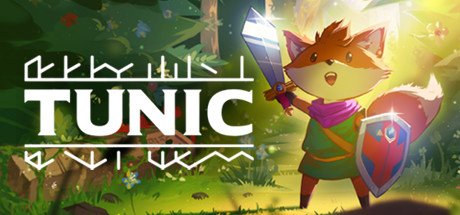
Cute aesthetic hides complexity.: Tunic's charming, cute isometric aesthetic deceptively hides a profoundly complex game primarily focused on uncovering layers of secrets, intricate puzzles, and a rich, mysterious world. Its true nature as a challenging "knowledge game" often surprises players expecting a simpler adventure.
Multiple endings, true ending path.: The game features multiple endings, including a "true ending" that requires significant engagement with the game's deeper, often optional, puzzles and collecting hidden items. The cyclical nature of one ending provides a profound narrative twist.
Strong Performance & Optimization: The game generally runs exceptionally well on a variety of PCs, often maintaining high frame rates. Steam Deck performance is also highly praised, offering a great experience with customizable settings impacting FPS and battery life, although loading from SD cards can be slower.
Critical & Persistent Bugs: Despite overall good performance, several significant bugs persist, including game crashes that cause progress loss, infinite loading screens, and specific long-standing issues like the 'blue key bug' and instances of players getting stuck.
Robust Accessibility Features: The game provides useful accessibility options such as adjustable combat difficulty and an invulnerability mode ('No Fail Mode'). Playing with a gamepad may also make the game less challenging for some players.
Variable Graphics Fidelity: There's a notable visual difference between low and high graphic settings, particularly concerning lighting and shadows. However, the distinction between medium and high settings is less pronounced when SSAO is active, and depth of field can cause blurriness.
No macOS Support: The game currently does not function on Mac operating systems, which limits its availability for a segment of potential players.
Recommendations
Play blind, embrace puzzles: Players overwhelmingly recommend going into the game completely blind, avoiding any spoilers, reviews, or guides to maximize the unique discovery and 'eureka' moments. The game is specifically praised for its intricate, challenging puzzles that reward patience and independent thought. Many advise using guides only as a last resort when truly stuck, as looking up solutions can diminish the core experience.
Highly recommended, unique experience: The overwhelming majority of reviews express strong positive recommendations, often calling the game a 'masterpiece' or 'must-play' and praising its unique experience. Many reviewers rate it 9/10 or 10/10. However, a significant minority found it disappointing, not for everyone, or even terrible, highlighting its niche appeal. Some even suggest refunding if not enjoyed within the initial playtime.
Combat difficulty divisive; use accessibility: Combat is a divisive point; some find it challenging but others describe it as poorly designed or frustrating. Many reviewers recommend utilizing accessibility options like reduced combat difficulty or invincibility mode to focus on the game's exploration and puzzle aspects, especially if combat proves too tough.
Worth it on sale: While many reviews praise the game, several suggest waiting for a sale, particularly a 50% discount, to purchase it. Some feel the full price is too high, especially given that its replayability might be limited for some players.
Other review notes
Highly Acclaimed, Yet Divisive: Many reviewers hail Tunic as one of their favorite games of all time, an indie masterpiece that left a profound impact and is constantly satisfying. However, some players struggled to connect with it despite trying, finding its unique design and difficulty divisive and not universally appealing.
Variable Playtime and Niche Appeal: Playtime varies significantly, from 10-15 hours for a regular playthrough to 20-30+ hours for completionists. While many found immense value, some consider it a niche title that might not appeal to everyone, and its price point might be high if players get stuck early or don't click with its unique design.
Deceptively Deep Genre Blend: The game's charming, cute art style and initial Zelda-like appearance are misleading, concealing a complex blend of puzzle-solving, Dark Souls-inspired combat, and exploration mechanics. Reviewers often compare it to games like Fez, The Witness, and Hollow Knight, noting its unique hybrid identity that goes beyond simple comparisons.
Demands Player Patience, Guides Expected: The game offers minimal hand-holding, often requiring players to consult guides for some of its more obscure puzzles and navigation challenges. While going in blind is highly recommended for the initial discovery, many players admit to feeling lost or resorting to guides for full completion, indicating a high demand for patience and persistence.
Generally Decent Aesthetics: The game's art style and graphics are generally described as 'okay' or 'decent' by some, with comments about it being 'unassuming' or 'a bit extra bright.' While not universally praised as a visual marvel, its aesthetic is generally not a point of strong criticism.