- Excellent Sound Design
- Stunning Visuals
- Unique LIDAR Scanner Mechanics
- VR Highly Recommended
- Weak and Unoriginal Story
- Game Is Too Short
Emotions
Archetypes
What players like:
Common complaints:
Gameplay feedback:
Performance notes:
Recommendations:
Other player notes:
Similar games
Blend with other games








Review evidence
Why players say this
Review evidence
Why players say this
Steam review verdict
With stunning visuals, excellent sound design, and unique LIDAR scanner mechanics that make VR highly recommended, this game is held back by a weak, unoriginal story and a far too short length.
What players like
Excellent Sound Design: The sound design and soundtrack are consistently described as excellent, immersive, and atmospheric. Many players highlight the high quality of audio production.
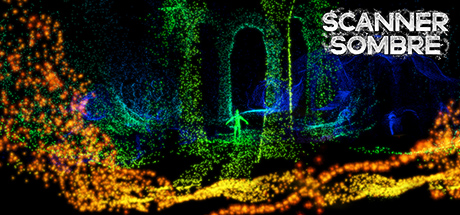
Stunning Visuals: The game's visuals are widely praised as beautiful, stunning, and aesthetically gorgeous. Players are often surprised by the high quality of the graphics.
Unique Game Concept: The game stands out for its unique concept, particularly the LIDAR scanner mechanic that reveals paths in darkness. Players appreciate its originality compared to other games.
Atmospheric Horror Walking Simulator: The game is praised as a great horror walking simulator with a captivating and creepy atmosphere. The exploration of dark caves and the sense of being lost contribute to its tense, exciting moments.
Exceptional VR Immersion: Many players found the VR mode particularly immersive and visually stunning. It is frequently described as one of the best VR experiences, with some calling it a made-for-VR game.
Common complaints
Weak and unoriginal story: Many reviews criticize the story as bland, basic, and lacking originality. The narrative fails to engage players and is often described as insignificant.
Not a horror game: Despite being marketed as horror, the game lacks genuine scares and horror elements. Many reviewers note it is not scary and barely qualifies as horror.
Game is too short: Players frequently mention that the game lasts only about one to two hours, making it feel very brief. This shortness contributes to a sense of poor value.
Uninteresting and anticlimactic ending: The ending is often described as lame, anticlimactic, and not memorable. It fails to provide a satisfying conclusion to the story.
Plain walking simulator: The game is criticized for being a walking simulator with a thin story and lack of innovation. It does not leverage the genre's potential.
Gameplay and performance
LIDAR scanner mechanics: A LIDAR scanner is used to illuminate and map the pitch-black surroundings. It reveals the environment dot by dot and is essential for navigation.
Scanner-based cave exploration: The core gameplay involves exploring dark caves using a scanner to reveal the environment. This mechanic is central to navigation and progression.
Psychological horror elements: Horror elements, often psychological, are present and used subtly to build atmosphere. Some reviews mention jumpscares and a plot-driven horror experience.
Walking simulator design: Players frequently describe the game as a walking simulator. It focuses on walking and exploration rather than complex mechanics, sometimes with a horror twist.
Scanner paints environment with light: The scanner works like a spray, painting surfaces with sparkling points of light. This visual feedback helps players perceive the space around them.
Steam Deck Performance Mixed: Several reviewers report the game runs well on Steam Deck, including the OLED model, but some also note slowdowns in specific situations. Performance appears generally acceptable with occasional issues.
PC Performance Generally Good: Multiple users report the game runs great on PC and is well-optimized, with one noting it performs well on a laptop. However, a few PC users encounter lag spikes or complete frame rate loss.
Severe Lag When Scanning: Players experience unbearable lag when looking backwards at scanned areas, and performance drops significantly after scanning too thoroughly. This suggests a memory or rendering issue tied to scanned data.
Endgame Frame Rate Drops: From the middle to the end of the game, frame rates drop drastically even on lower settings, and lag spikes occur when rendering many dots. This makes the late game nearly unplayable for some.
Movement and Physics Bugs: Players report the character spinning slowly, movement feeling like walking through treacle, and buggy movement physics. These issues may be related to graphics card stress or code errors.
Recommendations
Great Value on Sale: Many reviewers strongly recommend purchasing this game when it is discounted. The general consensus is that it offers a satisfying experience for a low price, making a sale the ideal time to buy.
VR Highly Recommended: Playing in VR is frequently highlighted as the definitive way to experience the game. Owners of VR headsets are strongly encouraged to play it this way, though it remains enjoyable without VR.
General Recommendation: A large number of reviewers simply recommend the game without any major caveats. It is described as a title that most players will not regret trying.
Ideal for Walking Sim Fans: The game is most appreciated by enthusiasts of the walking simulator genre. It is recommended specifically to those who enjoy a strong aesthetic and a slower pace.
Atmospheric Horror, No Jump Scares: Reviewers praise the game for delivering atmospheric horror without relying on constant jump scares. It appeals to players who prefer tension and mood over sudden shocks.
Buying context
Community fair range: $5.00 - $8.00.
Game completion: 2.5h.
Story completion: 2.5h.
Session length: 2.0h.
Players often find the scanner/radar immediately engaging, but the novelty tends to wear off quickly; many report boredom or repetition after about 30 minutes or several hours, while the short runtime can end before tedium sets in.
Friction: Boring at first with interesting parts introduced late; Tedious visibility and difficulty figuring out where to go; Scanning is slow and drags; Spray and move mechanic can become tedious; Radar may look hard to read at first; Repetitive exploration and scanning.
Unlock drivers: Scanner upgrades at a good pace; Short runtime ends before repetition sets in; Environment and music keep engagement; Learning the radar makes it feel great.
Player profiles
Atmospheric Walking Sim Explorer: Slow, observant walking-sim play with scanning, sightseeing, and minimal action pressure. Motivation: To explore a moody, artistic cave environment and soak in its quiet tension. Stance: buy.
VR Immersion Seeker: VR-first play, using headset and motion controls to explore dark spaces. Motivation: To experience the cave and scanner mechanic through immersive VR presence. Stance: buy.
Scanner Mechanic Novelty Seeker: Experimenting with the scanner, painting walls with colored points, and mapping the cave through echolocation-like feedback. Motivation: To try a unique scanner-based exploration mechanic unlike anything they have played before. Stance: buy.
Platform notes
Steam Deck: Steam Deck feedback is largely positive: the game launches and runs well on Steam Deck and Steam Deck OLED, with only occasional slowdowns in water-heavy areas or certain camera angles. One Linux/Steam Deck user reported a persistent mid-screen UI element that survived a restart, an isolated stability/UI defect. Separate VR reports describe Meta Quest 3/SteamVR control and sound setup friction requiring initial changes, but these are not Steam Deck-specific. No Proton tweaks, launchers, anti-cheat errors, or small-text issues are reported. Overall Steam Deck friction is low.
Linux and Proton: The available evidence shows the game has a functional native Linux build and runs mostly well on Steam Deck. One user encountered a persistent UI glitch on Linux, but otherwise reported no issues. Another noted only slight performance lag in specific water-heavy scenes on Steam Deck. No Proton switching, launch options, anti-cheat, DRM, launcher, or other Linux compatibility blockers are mentioned.
Other review notes
Very short playtime: Numerous players note that the game can be completed in under two hours, with many finishing in around 90 minutes. This brevity is a widely shared observation across reviews.
Developed by Introversion Software: The game is consistently attributed to Introversion Software, the studio also known for Prison Architect. Multiple reviewers highlight this connection.
Inspired by Dear Esther and Gone Home: Reviewers frequently compare the game to Gone Home and Dear Esther, noting its narrative walking simulator style. The store description also cites these as inspirations.
New Game+ mode available: The game includes a New Game+ mode, which some players mention offers extras and an easter egg at the beginning. However, others note low replayability after finishing.
Unique narrative experience: Many describe the game as a unique experience that blends walking simulator and narrative elements. It is often seen as more of an experience than a traditional game.