- Memorable and well-developed characters
- Rich cyberpunk world-building with heartwarming tone
- Unique narrative structure and replayability
- High-quality pixel art and soundtrack
- Repetitive and shallow gameplay mechanics
- Technical and accessibility issues present

Emotions
What players like:
Common complaints:
Gameplay feedback:
Performance notes:
Recommendations:
Other player notes:
Similar games
Blend with other games
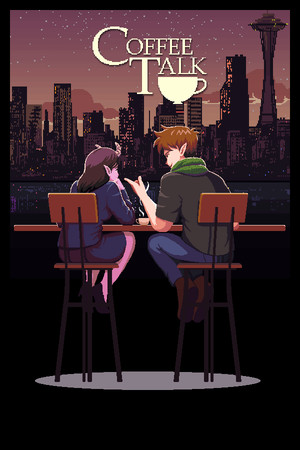


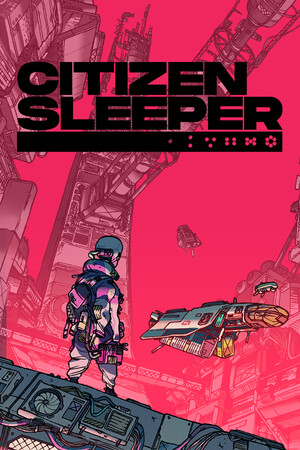

Review evidence
Why players say this
Review evidence
Why players say this
What players like
Memorable and well-developed characters: Characters are frequently highlighted for their depth, relatability, and unique personalities. Players appreciate their backstories, quirks, and emotional arcs, which make interactions feel authentic and engaging.
Rich cyberpunk world-building: The game’s cyberpunk setting is lauded for its grounded, human-centric approach, focusing on everyday life rather than grand narratives. The world feels immersive, realistic, and thematically rich, with strong ties to capitalism and societal struggles.
Unique narrative structure and replayability: The game’s narrative is structured to encourage replayability, with multiple endings and engaging plot twists. Players appreciate how the story remains compelling even after multiple playthroughs.
High-quality pixel art and soundtrack: The game’s visual style, featuring crisp pixel art and a synthwave soundtrack, is widely praised for enhancing immersion. The music and aesthetics create a cozy, neon-lit atmosphere that complements the narrative.
Engaging and humorous dialogue: The game’s dialogue is consistently praised for being witty, humorous, and thought-provoking. It enhances character interactions and keeps players immersed in the narrative flow.
Common complaints
Repetitive and shallow gameplay: Gameplay is described as boring, repetitive, and lacking depth, particularly in mechanics like bartending and drink-mixing. Players felt the interactivity was minimal and failed to sustain engagement.
Frustrating mini-games: Optional mini-games, such as bullet hell or Julianna's challenges, are criticized for being excessively difficult, tedious, and poorly integrated. Players felt they were forced or unfun, detracting from the overall experience.
Excessive adult humor: The game includes frequent sexual themes, misogynistic elements, and lowbrow jokes that may alienate players. Some found the humor forced or out of place, detracting from the narrative.
Abrupt or unsatisfying endings: The story's conclusions are described as too short, incomplete, or unfulfilling, leaving players wanting more. Emotional shifts and flat writing further diminished the impact of the endings.
Mixed emotional reception: While some players expressed regret for not discovering the game earlier or sadness after finishing, others felt the emotional tone was inconsistent or overly reliant on tropes.
Gameplay and performance
Narrative-driven storytelling focus: The game is heavily centered on narrative, character interactions, and world-building, often prioritizing storytelling over traditional gameplay mechanics. Players experience a rich, dialogue-heavy journey with deep emotional themes and character backstories.
Bartending as a narrative device: Bartending and drink-mixing mechanics serve as secondary gameplay elements that influence character interactions and story outcomes. These mechanics are often integrated into dialogue and used to unlock secret characters or alternate story paths.
Cyberpunk setting with heartwarming tone: The game is set in a cyberpunk world, specifically Glitch City, with a focus on daily life, character interactions, and a lived-in atmosphere. The tone balances dystopian elements with warmth and emotional storytelling.
Customer interactions and storytelling: Interacting with customers is a core mechanic, with players engaging in dialogue-heavy conversations to uncover unique personalities and backstories. These interactions often drive the narrative forward and unlock hidden content.
Visual novel structure with minimal choices: The game follows a visual novel format with dialogue-driven interactions, often lacking traditional dialogue choices. The narrative feels natural despite the absence of explicit player decisions, relying on drink-mixing and interactions to shape outcomes.
Steam Deck compatibility issues: Players report inconsistent Steam Deck support, including lack of controller compatibility and the need for manual tweaks to make the game playable. Some users note the UI works well with the trackpad, but overall functionality is unreliable.
Frequent game crashes: Multiple reports of crashes during gameplay, particularly during specific actions or at launch. This disrupts the player experience and suggests stability issues.
Optimized for low-end hardware: The game runs smoothly on older or less powerful systems, including those barely capable of running basic applications. This broadens accessibility for players with limited hardware.
Strong performance on capable systems: Players with mid-to-high-end hardware report smooth performance with no noticeable lag or frame drops, indicating efficient optimization for better systems.
Recommendations
Ideal for visual novel fans: The game is repeatedly recommended for fans of visual novels, cyberpunk themes, and narrative-driven experiences. Its storytelling and aesthetic align closely with the genre's core audience.
Accessible to wide audience: The game’s design and themes make it approachable for a broad range of players, including those new to visual novels or narrative-driven games.
Universal strong recommendation: Many reviews confidently recommend the game to a broad audience, including those who don’t typically play visual novels. High replayability and emotional resonance are cited as key reasons.
Language learning potential: Some players recommend the game for improving English skills, though others note that the vocabulary can be challenging. The Korean translation is also highly praised.
Not for action seekers: The game lacks extensive gameplay mechanics, making it unsuitable for players seeking fast-paced or interactive experiences. Some suggest it’s better suited as a comic or webtoon.
Other review notes
Emotional and personal impact: Many players share personal stories about using the game as an emotional escape during tough times or how it provided support through friendships. Some describe it as life-changing, influencing their career paths.
Humorous and niche gameplay elements: The game includes lighthearted jokes (e.g., 'Proникновение' and sausages) and unique mechanics like drink mixing. These features add personality and fun to the experience.
Fictional setting and art style: The game's pixel art style and fictional setting (e.g., Glitch City) are noted as standout features. These elements contribute to its distinct visual identity and immersive world-building.
LGBTQ+ themes and social commentary: Players frequently highlight the game's inclusion of LGBTQ+ themes and its relevance to current social discussions on diversity, equity, and inclusion. This aspect is noted as a significant part of the game's narrative and cultural impact.
Memorable characters and references: Players frequently mention specific characters (e.g., hacker, priestess of love) and nostalgic references, such as a 1990s sitcom character. These elements contribute to the game's charm and relatability.