- Masterful narrative-driven storytelling engages players deeply
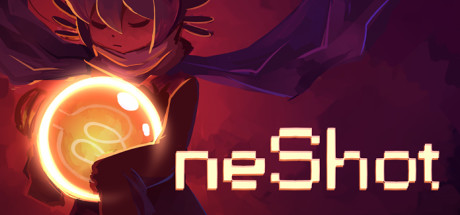
- Strong emotional impact with relatable protagonist Niko
- Engaging and unique puzzles enhance gameplay experience
- Puzzles overly difficult causing frustration for players
- Clunky controls and mechanics hinder smooth gameplay
- Technical bugs disrupt progression and immersion
Emotions
What players like:
Common complaints:
Gameplay feedback:
Performance notes:
Recommendations:
Other player notes:
Similar games
Blend with other games






Review evidence
Why players say this
Review evidence
Why players say this
What players like
Masterful narrative-driven storytelling: The game is praised for its tightly crafted, emotionally impactful narrative with well-developed characters and multiple endings. Players highlight its replay value due to player-driven choices and twists.
Strong emotional impact: Players describe the game as emotionally devastating, impactful, and transformative, often evoking tears, nostalgia, and deep connections to characters like Niko. The narrative is designed to linger long after completion.
Protagonist Niko’s relatability: Niko is universally praised for their depth, innocence, and emotional portrayal. Players form strong bonds with Niko, describing them as endearing, well-written, and central to the game’s appeal.
Engaging and unique puzzles: Puzzles are creative, engaging, and often involve real-world interactions (e.g., file exploration, fourth-wall breaks). They complement the narrative without being overly frustrating or tedious.
High replay value: Multiple endings, impactful choices, and hidden details encourage replayability. Players note that subsequent playthroughs reveal new dialogue and deeper layers of the story.
Common complaints
Puzzles overly difficult and frustrating: Players frequently report that puzzles are unintuitive, require external guides, and cause frustration due to unclear logic or excessive backtracking. This is a major pain point, especially in early areas.
Clunky controls and mechanics: Controls feel uncomfortable due to RPG Maker constraints, and mechanics like teleportation are poorly explained, leading to frustration during puzzles or exploration.
Short length and underdeveloped content: The game is criticized for its brevity (14 hours or less) and underutilized potential, with shallow character development and repetitive mechanics.
Technical bugs and progression issues: Multiple reports of game-breaking bugs (e.g., locked rooms, crashes) and replayability problems (e.g., missing saves) hinder progression and completion. Linux/Proton compatibility is also a recurring issue.
Emotionally impactful but divisive endings: The endings are described as tragic, heartbreaking, or unsatisfying, with players noting a lack of narrative payoff for key choices (e.g., saving Niko vs. the world). This polarizes reactions.
Gameplay and performance
Puzzle-based adventure gameplay: The core gameplay revolves around puzzles, including environmental clues, item interactions, and unconventional mechanics like moving the game window or exploring the player's computer files.
Meta-puzzles with external interactions: Puzzles often require interacting with the player's computer, such as exploring desktop files or solving clues hidden outside the game. This adds a layer of creativity and unconventional thinking.
Multiple endings with choices: The game features multiple endings (including a 'true' ending and a 'Solstice' path) that are influenced by player choices. Some endings require specific actions, such as deleting save files, to unlock.
Player as a 'god' guiding Niko: The player acts as a guide or 'god' to the protagonist, Niko, helping them navigate the world and solve puzzles. This creates a unique dynamic between the player and the in-game character.
Dialogue-heavy NPC interactions: The game features rich dialogue interactions with NPCs, where characters often acknowledge the player's presence directly. This enhances the narrative immersion and player-character connection.
Linux compatibility failures: The game has significant compatibility issues on Linux, including crashes, missing library dependencies (e.g., libdrm.so.2, libGLdispatch.so.0), and failure to recognize opened files. Manual intervention is often required despite claimed Linux support.
Game-crashing glitches: Multiple reports highlight game-breaking bugs that cause crashes, particularly on Linux and during critical stages like the final level. Some issues require Windows-specific fixes.
Background program conflicts: Active background programs (e.g., Wallpaper Engine) or library conflicts may cause crashes or require manual fixes, such as deleting libraries to resolve errors.
Fast travel and minor bugs: Isolated bugs like fast travel malfunctions and minor performance issues (e.g., real computer errors) are reported but do not significantly impact gameplay.
Window and resolution issues: Players report problems with window retraction, resolution scaling on high-DPI monitors, and general display inconsistencies, affecting usability.
Recommendations
Universal praise for storytelling: The game is overwhelmingly recommended for its emotional, narrative-driven experience, unique mechanics, and strong character development. Players highlight its replay value and comparison to titles like Undertale and Omori.
Play blind for best experience: Reviewers strongly advise playing the game without prior knowledge or spoilers to maximize emotional impact and puzzle-solving immersion. Evening playthroughs are also recommended for optimal atmosphere.
Avoid spoilers and external help: Reviewers caution against looking up solutions or spoilers, as the game’s charm lies in discovery. Some even advise against reading reviews beforehand to preserve the experience.
Edition preferences vary: Opinions differ on the best version: some recommend the World Machine Edition (WME) for controller/Steam Deck users, while others prefer the vanilla version for immersion or technical reasons.
Broad demographic appeal: The game is recommended for a wide audience, including kids, teens, and adults, though it may not suit those seeking combat or hardcore gameplay. Its emotional depth and puzzles resonate universally.
Other review notes
Compact but content-rich experience: The game is praised for its short but dense gameplay, offering substantial content despite its modest size. This appeals to players seeking concise yet meaningful experiences.
Puzzle difficulty varies widely: Players report inconsistent difficulty levels, with some finding puzzles too challenging while others describe the game as easy. This suggests a need for adjustable difficulty settings or clearer puzzle design.
Emotional impact post-ending: The game's secret ending leaves a strong emotional impression, with some players unwilling to replay due to its intensity. This underscores the narrative's effectiveness.
Protagonist identity clarified: Niko, the protagonist, is described as a simple child in a robotic world, with explicit notes that Niko is not a cat. This helps manage player expectations about the character's design.
Personal and familial connections: The game fosters personal growth and family bonding, with players sharing stories of emotional investment and shared experiences.