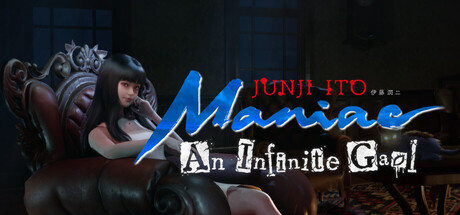
- Authentic Junji Ito horror manga experience.
- Excellent Tomie characterization is a highlight.
- Features unique horror puzzle gameplay elements.
- Suffers from uneven puzzles and janky combat.
- Features consistently low quality visuals overall.
- Stamina system is severely flawed and frustrating.
Emotions
What players like:
Common complaints:
Gameplay feedback:
Performance notes:
Recommendations:
Other player notes:
Similar games
Blend with other games



Review evidence
Why players say this
Review evidence
Why players say this
What players like
High Quality and Value: Players widely praise the game for its excellent overall quality, good performance, and optimization, even on mid-range hardware. Many consider it a worthwhile experience, particularly given its price point and comparison to other reputable horror titles from the same developer. The atmosphere is consistently noted as tense and spot-on.
Authentic Junji Ito Experience: The game is celebrated as a highly successful and faithful adaptation of Junji Ito's horror manga, often called a "theme park" for fans. It masterfully integrates iconic elements, characters, and the distinct visual/auditory aesthetic from various works, making it a must-play for loyal readers and an excellent introduction for newcomers.
Profound Psychological Horror: The game excels at creating a deeply unsettling and immersive psychological horror experience. It forces players to confront existential questions, leveraging a suffocating atmosphere, distorted environments, and subtle scares that permeate the player's mind long after playing. The quiet tension and the feeling of being constantly watched contribute to an oppressive, nightmare-like state.
Excellent Tomie Characterization: Tomie's depiction in the game is exceptionally well-received, highlighted by her beautiful appearance, manipulative personality, and the engaging interactions players have with her. Her effective voice acting and central role in the narrative, including impactful multiple endings that showcase her character arc, contribute significantly to the game's appeal, especially for fans of the character.
Unique Horror Puzzle Gameplay: The gameplay blends walking simulation, puzzle-solving, and light survival horror, distinguishing itself as an excellent independent horror title. It focuses on psychological tension and exploration rather than excessive jumpscares, often featuring creative puzzle designs and unique enemy encounters that require strategic thinking.
Common complaints
Uneven puzzles, janky combat: Puzzles were often criticized as frustrating, tedious, or uninspired, with some noted as copied. Boss fights, particularly the policewoman in Ending 2, were deemed unreasonably difficult due to weak AI, unfair enemy speeds, teleportation, and short stun durations, leading to janky and annoying encounters.
Low quality visuals: The game's visual presentation received criticism, with specific complaints about rough character models (especially Tomie's), disappointing art style, and cutscenes described as 'PowerPoint presentations.' Graphical issues like sharpening making images blurrier and severe hair clipping further detracted from the experience.
Stamina system severely flawed: The protagonist's extremely low stamina, slow recovery, and quick exhaustion (often after just a few steps) were a major source of frustration. This mechanic made basic traversal and evasion challenging and unenjoyable, especially on a large map.
Poor navigation, vague guidance: The game suffers from a confusing map design and a complete lack of an in-game map, leading players to constantly get lost in the large mansion. Vague task prompts and unclear objectives further exacerbated frustration, making exploration tedious rather than engaging.
Not scary, limited enemies: The game largely failed to deliver a scary or intense horror experience. Players found the atmosphere lacking and enemies, primarily statues, were not frightening, sometimes even laughable. The lack of enemy variety and limited chase sequences further diminished the horror aspect.
Gameplay and performance
Stealth, traps, vulnerable protagonist: Players control a largely defenseless protagonist who primarily relies on stealth, running, and hiding in safe spots like wardrobes to evade monsters. While environmental traps and items can be used to attack enemies, their effectiveness, particularly with bear traps, may be limited. A stamina bar governs the protagonist's evasive actions.
Multiple short, replayable endings: The game offers a relatively short experience, estimated around 5 hours to achieve all three endings. These endings require replaying the game from the beginning, indicating a segmented progression system where player choices, like deciding to leave the mansion, lead to different outcomes.
Amnesiac protagonist and Tomie's role: Players embody an amnesiac protagonist with a strong obsession with the character Tomie, who frequently appears and interacts with puzzle clues. The game is an adaptation of an existing IP, and while it doesn't just replicate the original, understanding the story is enhanced by following the plot sequentially.
Excellent performance and optimization: Players generally praise the game's performance, noting its good optimization and ability to run well even on the highest graphics settings. This indicates a solid technical foundation and a positive user experience regarding game fluidity.
Sharpening setting 4 too blurry: Feedback suggests that sharpening setting 2 is usable, but players find setting 4 results in an excessively blurry image. This indicates a potential issue with the highest sharpening level, negatively impacting visual clarity.
FSR setting is available: Players have noted the inclusion of FSR (FidelityFX Super Resolution) as an available graphics setting within the game. However, no specific qualitative feedback was provided regarding its effectiveness or implementation.
Recommendations
Overall positive fan recommendation: The game generally receives positive recommendations, especially from fans of Junji Ito and specific horror themes like Tomie. Reviewers often rate it around 6.5-7.5 out of 10, considering it a worthwhile short experience for its price point, particularly around $12 or below 18 currency units.
Optimal immersion with headphones: To fully appreciate the game's psychological horror and its themes of 'imprisoned consciousness,' players strongly advise using good headphones. This enhances the intended immersive and unsettling atmosphere, delivering a much better experience.
Improve navigation with map: A significant number of players report getting lost easily within the game, with some even needing guides due to poor orientation. There is a clear demand for a map feature, as its inclusion is expected to lead to more positive player experiences and reviews.
Engaging achievement content: The game offers a set of achievements that completionist players found engaging, with some reviewers noting they completed all of them. This indicates positive engagement with the game's extra content and replayability for achievement hunters.
Adjust stamina balance: Player feedback suggests that the game's stamina mechanic could benefit from a slight increase. This minor adjustment would likely improve player mobility and the overall fluidity of gameplay, addressing a common point of friction.
Other review notes
Adaptation for Junji Ito fans: The game is based on works by Japanese horror manga artist Junji Ito, specifically drawing from the 'Junji Ito Maniac' collection. It appears primarily targeted at existing fans of the source material and characters like Tomie, rather than aiming for broad appeal.
Mediocre and small in scope: Players found the game to be generally mediocre in its execution and limited in scale. The environments, particularly the mansion, were described as not feeling very expansive, suggesting a lack of depth or content.
IP adaptations need innovation: One reviewer expressed a desire for intellectual property adaptation games to be bolder and more innovative. This general sentiment hints at a perception that the game, as an adaptation, may have played it too safe or lacked creative ambition.